6 Boat Fuel Filter Replacements for Reliable Engine Health
Ensure peak engine performance with these 6 essential boat fuel filter replacements. Learn how to prevent contamination and maintain reliable marine health.
There is nothing quite like the silence of a mid-lake morning, until your engine starts sputtering because of a clogged fuel filter. Maintaining a clean fuel system is the single most effective way to ensure your boat stays reliable all season long. Let’s look at the best replacements to keep your time on the water spent cruising rather than troubleshooting.
Disclosure: As an Amazon Associate, this site earns from qualifying purchases. Thank you!
Essential Tools for Marine Fuel Filter Swaps
Before you dive into the engine compartment, gather your gear to ensure a clean, spill-free process. You will need a high-quality strap wrench or a specialized filter wrench to break the seal, as marine filters often seize due to salt air and humidity. Always have a clean catch basin ready to slide underneath the mount to capture any residual fuel.
Don’t forget a roll of high-quality shop rags and a small amount of clean grease or oil for the new gasket. Lubricating the O-ring before installation is a non-negotiable step that prevents the filter from sticking the next time you need to change it. Keeping these items organized will turn a messy chore into a quick, ten-minute maintenance task.
Sierra International 18-7944 Water Separator
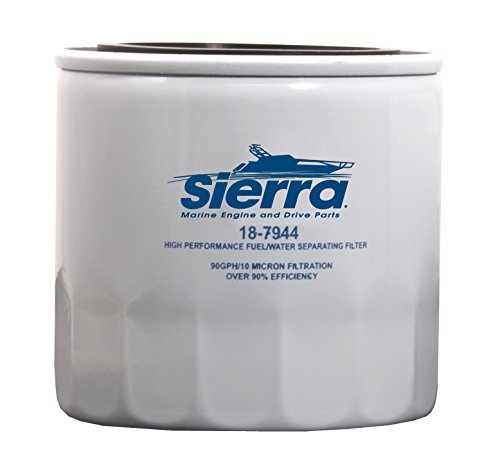

If you are running a standard outboard setup and want a reliable, cost-effective workhorse, the Sierra 18-7944 is a top-tier choice. This filter is widely respected for its consistent performance in separating water from gasoline, which is the primary enemy of modern fuel-injected engines. It fits a vast range of common filter heads, making it an incredibly versatile option for the average boater.
This filter is perfect for those who want OEM-level protection without the premium price tag of a branded label. While it might lack the high-flow capacity of some specialized racing filters, it is more than enough for recreational fishing boats and weekend cruisers. If you prioritize budget-friendly reliability for your daily driver, this is the filter you should keep in your spares kit.
Mercury Marine Quicksilver Fuel Filter Kit

When you own a Mercury engine, sticking with the Quicksilver line is almost always the smartest move for long-term warranty compliance and compatibility. These kits are engineered specifically to handle the high-pressure demands of Mercury’s fuel systems. They provide a precise fit that ensures zero air leaks, which is vital for maintaining consistent fuel pressure.
I recommend this kit specifically for owners who want the peace of mind that comes with using manufacturer-approved components. You are paying for the engineering that went into matching the filter’s micron rating to your specific engine’s needs. If you want to avoid any guesswork regarding compatibility, this is the gold standard for your Mercury rig.
Racor S3213 Fuel Filter for Outboard Motors

The Racor S3213 is widely considered the industry leader for a reason: its Aquabloc media is remarkably effective at stopping both water and fine debris. If you frequently boat in areas with questionable fuel quality or high humidity, the superior filtration efficiency of a Racor unit is a major upgrade. The clear bowl option also allows you to visually inspect for water accumulation at a glance.
This filter is the best choice for serious anglers and boaters who venture far from the dock and cannot afford a mid-water breakdown. While the initial investment is higher than a basic canister, the ability to see and drain water before it enters the engine pays for itself in avoided repairs. If you value high-end protection and proactive maintenance, this is the filter for your vessel.
Yamaha MAR-FUELF-IL-TR Fuel Filter Element

Yamaha engines are known for their longevity, but they are also sensitive to fuel quality, which makes the MAR-FUELF-IL-TR an essential component. This element is designed to work in perfect harmony with Yamaha’s proprietary fuel management systems. Using anything else can sometimes lead to flow restrictions that your engine’s computer might interpret as a fault.
This is the only filter I suggest for Yamaha owners who want to maintain the factory performance profile of their outboard. It is specifically designed to trap the tiny contaminants that can wreak havoc on high-pressure fuel injectors. If you own a Yamaha, do not gamble with generic alternatives; this filter is essential for preserving your engine’s lifespan.
Volvo Penta 877767 Fuel Filter Replacement

For those running inboard or sterndrive setups, the Volvo Penta 877767 is the specific replacement you need to keep your engine running smoothly. These engines often operate in tighter, hotter compartments, and this filter is built to withstand those unique thermal conditions. It provides the necessary filtration to protect sensitive internal components from the wear and tear of long-distance cruising.
This filter is a must-have for sterndrive owners who prioritize factory-spec maintenance. It is robust, easy to install, and perfectly matched to the fuel pump requirements of Volvo Penta blocks. If you want to ensure your inboard engine maintains its power and efficiency, stick with this reliable OEM replacement.
Sierra International 18-7845-1 Filter Kit

The Sierra 18-7845-1 is a fantastic "all-in-one" solution for boaters who want to replace the filter and the housing components simultaneously. It is an excellent choice for older boats where the mounting head might be showing signs of corrosion or wear. This kit simplifies the process by providing everything you need to refresh the entire filtration point.
This is the perfect kit for a spring commissioning project where you want to ensure the entire fuel delivery system is up to snuff. It is reliable, widely available, and takes the frustration out of hunting for individual parts. If you are refurbishing an older fuel system, this kit is the most efficient way to start with a clean slate.
Proper Techniques for Removing Old Filters
When you are ready to remove the old filter, always start by shutting off the fuel supply valve to prevent a siphon effect. Use your strap wrench to break the seal, but keep your catch basin positioned directly underneath, as the filter will be heavy with fuel. Always move slowly to avoid splashing fuel on your deck or into the bilge.
Once the filter is off, inspect the mounting head for any residual gasket material or debris. A clean, smooth mating surface is critical for a proper seal on the new filter. If you see signs of corrosion on the metal housing, use a light abrasive pad to clean it before installing the new unit.
Priming Your System After Filter Installation
After threading on your new filter, you cannot simply turn the key and expect the engine to start immediately. Most marine fuel systems require priming to remove the air trapped in the new filter canister. Use the primer bulb located on your fuel line, squeezing it firmly until you feel significant resistance.
Listen closely as you prime; you should hear the fuel moving through the system and filling the filter cavity. If your boat has an electric fuel pump, cycling the ignition switch to the "on" position—without starting the engine—can also help pressurize the lines. Proper priming prevents the engine from stalling out and protects your fuel pump from running dry.
Testing Engine Performance Post-Replacement
Once the system is primed, start the engine and let it idle while you inspect the filter area for any signs of weeping or leaks. It is crucial to watch the fuel lines and the filter gasket for a few minutes before casting off. A small leak might not be obvious at idle, so a quick visual check is the best insurance against a fire hazard.
Take the boat out for a short, low-speed run to ensure the engine is receiving a steady flow of fuel. If the engine hesitates or struggles to reach higher RPMs, you may still have air in the lines that needs to be purged. Once the engine runs smoothly under load, you can head out with the confidence that your fuel system is in top shape.
Regularly replacing your fuel filter is the most effective way to protect your engine from the harsh realities of marine fuel. By choosing the right filter for your specific engine and following proper installation steps, you eliminate the biggest risks to your boat’s reliability. Stay proactive with your maintenance, and your engine will reward you with seasons of worry-free performance.