

6 Best Vhf Antennas For Fishing Boats For Clearer Signal
Upgrade your marine communication with our top 6 VHF antenna picks. Discover durable, high-gain options designed to ensure crystal-clear reception at sea.
Nothing ruins a perfect day on the water faster than a crackling, unintelligible VHF radio signal when you need to reach the Coast Guard or coordinate with a fellow angler. Your antenna is the single most important link between your boat and the rest of the world, acting as the silent guardian of your safety and communication. Choosing the right hardware isn’t just about technical specs; it’s about ensuring your voice carries clearly across the waves regardless of the conditions.
Disclosure: As an Amazon Associate, this site earns from qualifying purchases. Thank you!
Understanding VHF Antenna Basics for Fishing Boats
At its core, a VHF antenna converts electrical energy from your radio into electromagnetic waves that travel through the air. The "gain" of an antenna, measured in decibels (dB), determines how effectively it focuses that energy; higher gain pushes your signal further toward the horizon, while lower gain provides a broader, more omnidirectional pattern. For most fishing boats, a 3dB to 6dB antenna offers the perfect balance between range and performance in choppy seas.
Remember that height is your best friend on the water. Because VHF signals travel in a line of sight, mounting your antenna as high as possible significantly extends your communication range. Don’t fall for the trap of thinking a massive, expensive antenna will fix a poor installation; even the best gear will fail if it’s obstructed by your T-top, radar arch, or cabin structure.
Shakespeare 5225-XP Galaxy: Best Overall Choice


If you want a "set it and forget it" solution that dominates the market, the Shakespeare 5225-XP is the industry standard for a reason. This 8-foot fiberglass antenna delivers exceptional gain and is built to withstand the constant vibration and salt spray that define a typical fishing season. It’s the go-to choice for center consoles and sport fishers that need reliable, long-range communication without constant maintenance.
The build quality here is rugged enough to handle high-speed runs to the fishing grounds without snapping or losing signal integrity. If you have the clearance to mount an 8-foot whip, this is the antenna you buy so you never have to worry about your radio again. It is the definitive choice for the serious angler who values reliability over everything else.
Glomex RA106SLS High-Gain Stainless Steel Antenna

For those who prioritize durability in a compact package, the Glomex RA106SLS is a masterpiece of stainless steel engineering. Unlike fiberglass models that can eventually yellow or crack under intense UV exposure, this sleek, tapered whip is virtually indestructible. It’s perfect for smaller fishing boats or those who navigate tight coastal waterways where a long antenna might snag on low-hanging branches or bridge structures.
Despite its smaller stature, the performance is punchy and crisp, punching well above its weight class in terms of signal clarity. If your boat sees a lot of trailering and you’re tired of worrying about your antenna snapping during transport, this is your solution. It’s a premium, low-maintenance upgrade that looks as good as it performs.
Digital Yacht HA156: Top Performance Pick
Digital Yacht is known for precision, and the HA156 is a specialized high-performance antenna designed for those who demand maximum range. This antenna is optimized for the marine VHF band, offering a clean, interference-free transmission that is ideal for boats operating in crowded harbors or distant offshore locations. It’s a sophisticated piece of gear that rewards the user with noticeably clearer reception.
If you are a tech-focused angler who relies on constant communication for weather updates or fleet coordination, the HA156 provides the edge you need. It isn’t the cheapest option on the shelf, but for the performance-oriented boater, the investment pays off in signal quality. This is the clear winner for those who refuse to compromise on communication fidelity.
Shakespeare 5101-AIS: Best for AIS Integration
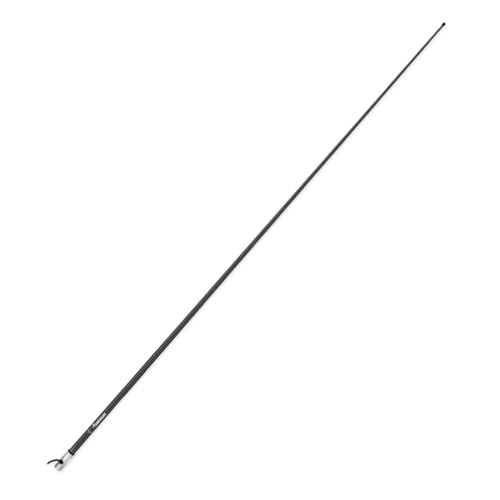
Modern fishing safety relies heavily on Automatic Identification System (AIS) technology, and the 5101-AIS is purpose-built to handle those specific frequencies. AIS signals operate on a slightly different frequency than standard voice VHF, and using a generic antenna can lead to reduced visibility on your chartplotter. This model ensures your boat is seen by commercial traffic and other vessels, which is critical for night fishing or low-visibility conditions.
If you have an AIS transponder on board, do not settle for a standard antenna. This unit is tuned specifically to keep your AIS data stream clean and consistent. It is an essential safety upgrade for any offshore angler who wants to be fully integrated into the modern marine traffic network.
Metz Manta 6 Marine Antenna: Compact Solution

The Metz Manta 6 is a legendary piece of equipment in the sailing and small-boat community, and it holds its own on fishing vessels as well. Its compact, stainless steel design makes it incredibly easy to mount on a mast or a small console arch. Don’t let the small size fool you; it is widely considered one of the most efficient antennas for its size on the market.
This is the perfect choice for the angler who wants a clean, minimalist look without sacrificing signal quality. It is incredibly robust and handles the harsh marine environment with ease. If you have limited mounting space, the Manta 6 is arguably the smartest, most efficient choice you can make.
Shakespeare 4200-S: Best Low-Profile Antenna

When you need an antenna that stays out of your way, the Shakespeare 4200-S is the ultimate low-profile contender. At just 39 inches, it is perfect for smaller skiffs or boats that need to clear low overheads without sacrificing too much reach. It provides a clean, professional look that doesn’t dominate the silhouette of your boat.
While you lose some of the extreme range of an 8-foot whip, the 4200-S is surprisingly capable for near-shore and lake fishing. It’s an ideal choice for the weekend warrior who wants a reliable, unobtrusive radio setup. If your fishing grounds are within 5-10 miles of shore, this antenna is more than enough to keep you connected.
Factors Influencing Your VHF Signal Clarity
Signal clarity is a game of inches and connections. The quality of your coaxial cable is just as important as the antenna itself; use high-quality, low-loss cable like RG-8X to ensure the signal actually reaches your radio. Avoid sharp bends or kinks in the cable run, as these create "standing waves" that degrade performance and can even damage your radio over time.
Additionally, keep your antenna away from other electronics. Mounting your VHF antenna right next to a GPS puck or a radar scanner can cause electromagnetic interference, resulting in that annoying static or "whine" on your radio. A little bit of physical separation—usually a few feet—goes a long way toward keeping your channels clear.
Proper Mounting Techniques for Marine Antennas
The mount you choose determines how well your antenna survives the season. Always use a high-quality stainless steel ratchet mount, which allows you to fold the antenna down when trailering or storing the boat. Ensure the mount is bolted through the fiberglass with backing plates to distribute the load, especially if you are running a heavy 8-foot fiberglass antenna.
Avoid mounting your antenna on a flexible surface that will vibrate excessively. Constant vibration will eventually fatigue the internal components of the antenna and the mounting hardware, leading to intermittent signal loss. A solid, rigid mounting location is the foundation of a reliable communication system.
Maintaining Your Antenna for Longevity
Marine environments are brutal, and your antenna takes a constant beating from salt, sun, and vibration. Periodically inspect your antenna connections for signs of corrosion; a little dab of dielectric grease on the PL-259 connector can prevent moisture from creeping into the cable. If you notice the fiberglass on an older antenna starting to fray or "bloom," it’s time to replace it, as moisture is likely compromising the internal copper wire.
Protect electrical connections from corrosion with Permatex Dielectric Grease. This high-performance grease seals out moisture and extends the life of bulb sockets, spark plugs, and battery terminals.

Clean the antenna body with fresh water and a mild soap after every trip to remove salt buildup. Salt is conductive and, if allowed to accumulate, can alter the antenna’s tuning and degrade your signal. Treat your antenna with the same care you give your fishing rods, and it will provide years of clear communication.
Investing in a high-quality VHF antenna is one of the most practical upgrades you can make for your fishing boat. By matching the right antenna to your specific vessel and fishing style, you ensure that help is always a button-press away and your communications remain crisp. Keep your connections clean, your mounting points solid, and your signal strong so you can focus on what really matters—finding the next big catch.
