

7 Best Camera Tripods For Stable Nature Shots for Pros
Capture sharp nature photos with these 7 top-tier professional tripods. Discover stability, durability, and key features for your next outdoor photography shoot.
Capturing the perfect sunrise over a misty lake or the jagged silhouette of a coastal cliff requires absolute stillness that no handheld shot can provide. For the professional nature photographer, a tripod is not just an accessory; it is the foundation upon which every sharp, high-resolution image is built. Investing in the right support system ensures your gear remains secure against the elements while you focus on the fleeting light.
Disclosure: As an Amazon Associate, this site earns from qualifying purchases. Thank you!
Gitzo Mountaineer Series 3: Best for Durability


When you are trekking through rocky shorelines or setting up on uneven riverbeds, the Gitzo Mountaineer Series 3 is the gold standard for rugged reliability. Its Carbon eXact tubing provides an incredible strength-to-weight ratio, effectively dampening vibrations that would otherwise ruin a long exposure near crashing waves.
This tripod is built for the professional who treats their gear as a long-term investment. While the price point is steep, the build quality ensures it will withstand years of exposure to salt spray and grit. If you need a tripod that refuses to fail when you are miles from civilization, this is your primary choice.
Really Right Stuff TVC-34L: Best Pro Stability

If your workflow involves heavy telephoto lenses for wildlife or high-resolution medium format cameras, the Really Right Stuff TVC-34L is the undisputed king of stability. Its four-section design offers an impressive maximum height without sacrificing rigidity, meaning you won’t experience the annoying "flex" often found in cheaper carbon fiber legs.
The engineering here is impeccable, focusing on precision tolerances that make every adjustment feel smooth and intentional. It is a substantial piece of kit, so it is best suited for photographers who prioritize rock-solid results over lightweight portability. For those who demand the absolute best in structural integrity, look no further.
Manfrotto 055 Carbon Fiber: Best Versatility

The Manfrotto 055 Carbon Fiber is a workhorse that bridges the gap between studio precision and field adaptability. Its standout feature is the 90-degree center column mechanism, which allows you to extend the column horizontally—a game-changer for getting low-angle shots over water or capturing intricate textures on the forest floor.
This tripod is perfect for the photographer who needs one reliable tool for a variety of environments. While it may not be the lightest option on the market, its versatility makes it an excellent "do-it-all" solution. If you find yourself frequently switching between macro work and sweeping landscapes, this is the most practical investment you can make.
Peak Design Travel Tripod: Best for Portability
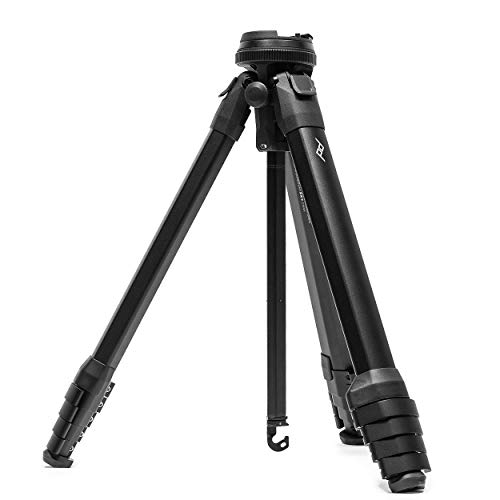
For the photographer who needs to hike deep into the backcountry, the Peak Design Travel Tripod completely reimagines the form factor. By eliminating the dead space found in traditional leg designs, it packs down to the diameter of a water bottle, making it easy to lash to the side of a hiking pack.
Don’t let the compact size fool you; it is surprisingly stable for its class, thanks to its clever architectural design. It is specifically built for those who value mobility above all else and aren’t willing to compromise on quality while on the move. If your photography involves long-distance treks where every ounce counts, this tripod is your best companion.
Benro Mach3 Series 2: Best Value for Pros

The Benro Mach3 Series 2 offers a professional-grade experience without the premium price tag of top-tier European brands. It features high-quality carbon fiber construction and magnesium alloy castings that provide excellent vibration resistance in windy conditions.
It is an ideal choice for the working professional who needs a reliable backup or a primary tripod that doesn’t break the bank. You get features like adjustable leg angles and a reversible center column that rival much more expensive competitors. For those who want high-end performance on a budget, this is the smartest buy in the category.
Slik Pro 700 DX: Best for Heavy Equipment
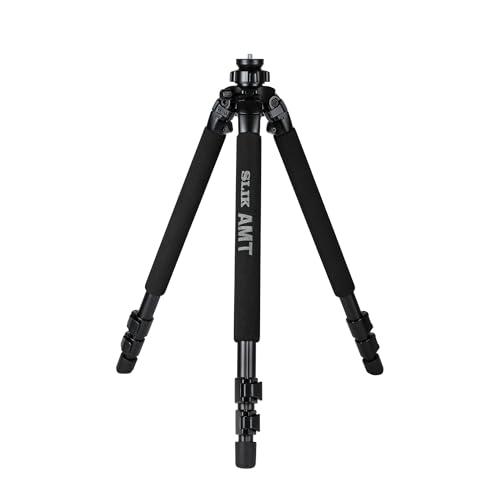
Sometimes, you need raw, unyielding support for massive gear, and that is where the Slik Pro 700 DX shines. Unlike many modern carbon fiber options, this tripod uses high-grade aluminum alloy, which provides a heavy, grounded feel that is incredibly resistant to wind gusts near the coast.
This is not a tripod for the casual hiker, as it carries significant weight. However, it is perfect for the landscape photographer who sets up near a vehicle or doesn’t mind the extra load for the sake of absolute stability. If you are shooting with heavy-duty cinema cameras or large-format glass, its strength is unmatched.
Vanguard Alta Pro 263AB: Best Angle Flexibility
The Vanguard Alta Pro 263AB is legendary for its Multi-Angle Central Column system, which allows you to move the central column across a wide range of angles. This makes it incredibly easy to position your camera in tight spots, such as between boulders or directly over a rushing stream.
Beyond the flexibility, the tripod is well-built and comes with a capable ball head, offering great value out of the box. It is the perfect choice for the creative photographer who likes to experiment with unique perspectives and needs a tripod that can keep up with their vision. It is a versatile tool that encourages you to step outside the box.
Essential Tripod Features for Nature Photography
When selecting a tripod, prioritize leg locks that are easy to operate with cold or wet hands—twist locks are generally preferred over flip levers for sealing out sand. Carbon fiber is almost always superior to aluminum for nature work, as it dampens vibrations faster and stays warmer to the touch in freezing temperatures.
Consider the leg sections as well; fewer sections generally mean more stability, while more sections improve portability. Always look for a tripod that reaches your eye level without needing to extend the center column, as extending the column significantly reduces the system’s overall stability.
Choosing Tripod Heads for Landscape Precision
The tripod head is just as important as the legs, and for landscape photography, geared heads or three-way heads are often superior to ball heads. Geared heads allow for micro-adjustments on each axis, which is essential for perfect horizon alignment when shooting wide-angle vistas.
If you prefer the speed of a ball head, ensure it has a dedicated "tension" control knob to prevent your camera from flopping over when you loosen the main lock. Arca-Swiss style quick-release plates are the industry standard; they provide a secure, universal connection that is much safer than proprietary mounting systems.
Maintaining Gear in Wet and Sandy Environments
Water and sand are the natural enemies of tripod mechanics, so proactive maintenance is mandatory. After every shoot at the beach or near a river, extend the legs fully and wipe them down with a damp cloth to remove salt or grit before it gets into the locking mechanisms.
Never use lubricants like WD-40 on your tripod legs, as they attract dust and can gum up the internal threads. If sand does get inside the leg sections, disassemble them carefully, rinse with fresh water, and let them dry completely before reassembly. A little bit of care after each trip will keep your gear functioning smoothly for years.
Choosing the right tripod is about balancing your specific shooting style with the harsh realities of the natural environment. By selecting gear that matches your camera weight and your willingness to carry it, you set yourself up for success in the field. Remember that the best tripod is the one you actually take with you, so prioritize reliability and ease of use to ensure your gear is always ready when the light hits.

