7 Best Identification Guides For Coastal Finds for Beachcombers
Discover the ocean’s treasures with our top 7 beachcombing guides. Learn to identify shells, sea glass, and fossils with these essential, expert-rated books.
Walking along the shoreline after a high tide feels like a treasure hunt where every shell, stone, and fragment of glass tells a story of the deep. However, without the right knowledge, those treasures remain anonymous objects rather than fascinating biological specimens. Equipping yourself with a reliable identification guide transforms a simple stroll into an immersive educational experience.
Disclosure: As an Amazon Associate, this site earns from qualifying purchases. Thank you!
Why Every Beachcomber Needs a Field Guide
A field guide acts as a bridge between curiosity and genuine discovery. When you spot an unfamiliar organism or a weathered artifact, having a reference tool prevents the frustration of guessing and ensures you understand the ecological context of your find. It turns a casual walk into a purposeful exploration of marine biodiversity.
Beyond simple identification, these guides teach you about the habits, habitats, and life cycles of the creatures you encounter. You’ll learn which shells are common, which are protected, and which might be invasive species. This knowledge fosters a deeper respect for the coastal environment and helps you become a more responsible steward of the shoreline.
Peterson First Guide to Seashores for Beginners
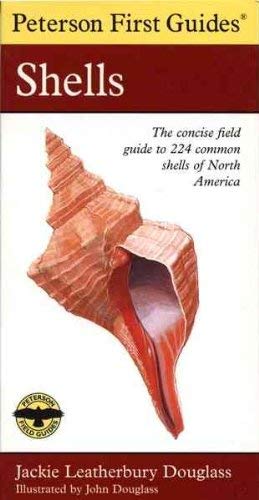

If you are just starting your beachcombing journey, the Peterson First Guide to Seashores is your best entry point. It is streamlined, avoiding the overwhelming technical data found in academic texts, and focuses on the most common species you are likely to encounter on a typical day. Its clear, simplified illustrations make it perfect for families or anyone who wants quick, reliable answers without digging through jargon.
This guide is not intended for the seasoned marine biologist looking for obscure taxonomy, but it is perfect for the casual observer. If you want to identify a sea star or a common whelk without carrying a heavy, oversized manual, this is the book for you. It is the definitive choice for those who value portability and ease of use over encyclopedic depth.
Smithsonian Handbook of Shells for Collectors

For those who treat beachcombing as a serious hobby, the Smithsonian Handbook of Shells is an essential upgrade. This guide provides high-quality photography and detailed descriptions that help you distinguish between closely related species that look nearly identical to the untrained eye. It is designed for the collector who cares about accuracy, nomenclature, and the finer details of shell morphology.
I recommend this for anyone building a curated collection or those who want to understand the scientific classification of their finds. While it is heavier than a pocket guide, the trade-off is the sheer depth of information provided on each page. If you are ready to move past basic identification and into the world of serious malacology, this is the gold standard.
Audubon Society Field Guide to North American Seashells

The Audubon Society Field Guide is a masterpiece of organization, utilizing a visual identification system that is incredibly intuitive. Instead of searching by scientific name, you can flip through sections organized by color and shape, which is often how we actually see our finds on the sand. It is a robust, well-rounded resource that covers a vast range of species across diverse North American coastlines.
This guide is ideal for the beachcomber who travels frequently and doesn’t want to buy a new book for every state they visit. It balances technical accuracy with a user-friendly layout that makes it accessible to both hobbyists and enthusiasts. If you need a reliable, all-in-one companion for your road trips, you won’t find a better long-term investment.
The Beachcomber’s Guide to Seashore Life of California

If you are exploring the West Coast, regional specificity is non-negotiable. The Beachcomber’s Guide to Seashore Life of California excels because it ignores the distractions of other regions to focus entirely on the unique biodiversity of the Pacific. It covers everything from tide pool inhabitants to kelp forest debris, providing context that generic national guides often miss.
This book is a must-have for anyone living in or visiting the West Coast. It provides the necessary local nuance to understand how seasonal changes and current shifts affect what washes up on the sand. If you are planning a trip to the Pacific shore, skip the general guides and pick this up; it is the only regional resource you will actually need.
Exploring Atlantic Coast Beaches with ID Manuals
The Atlantic coast offers a completely different set of treasures, from delicate bivalves to unique geological formations. Using an ID manual specifically tailored to the Atlantic ensures you aren’t misidentifying species that are endemic to the East Coast. These manuals often include sections on the unique barrier island ecosystems that define the Atlantic shoreline.
These guides are excellent for those interested in the broader ecology of the coast, not just the shells. They often include tips on reading the tide lines and understanding how storms impact the distribution of marine life on the beach. If you frequent the Atlantic, a region-specific manual will provide the clarity and accuracy that broader, national guides simply cannot match.
DK Handbook of Seashore Life for Marine Enthusiasts
The DK Handbook is visually stunning, making it as much a coffee table book as a field guide. It uses the signature DK style of crisp, clear photography against clean backgrounds, which is incredibly helpful when you are trying to match a specimen to an image. It is perfect for the enthusiast who appreciates high-quality visuals and wants an aesthetically pleasing reference.
While it is beautiful, it is also highly informative, covering a wide range of marine life beyond just shells, including crustaceans and seaweeds. It is a fantastic gift for a budding marine biologist or anyone who loves the ocean and wants to learn more about its inhabitants. If you value visual clarity and comprehensive coverage, this is a top-tier choice for your collection.
Sea Glass Identification Guide by C.S. Lambert
Sea glass hunting is a distinct sub-genre of beachcombing that requires a completely different knowledge base. C.S. Lambert’s guide is the definitive resource for identifying the origin, age, and rarity of your glass shards. It teaches you how to look for specific "frosting" patterns and color variations that indicate a piece of glass spent decades—or even a century—tumbling in the surf.
This guide is essential for the dedicated "seaglasser" who wants to know if they’ve found a common piece of bottle glass or a rare, vintage fragment. It turns a pile of colorful shards into a historical collection. If you are obsessed with the history and chemistry of sea glass, this is the only guide you need to own.
Coastal Foraging Guide: Edible Marine Life Edition

Foraging for food on the coast is a rewarding activity, but it carries significant responsibilities and risks. A specialized foraging guide is not just a luxury; it is a safety requirement. These books help you identify edible species while warning you about toxic look-alikes, seasonal "red tides," and local harvesting regulations.
- Prioritize safety: Always cross-reference your find with local government health advisories.
- Know the law: Many coastal areas have strict limits on what can be harvested.
- Respect the ecosystem: Never over-harvest, and always leave the habitat as you found it.
This guide is for the responsible adventurer who wants to connect with the ocean through sustainable harvesting. It is not for the casual wanderer; it is a tool for those who are prepared to learn the nuances of local regulations and environmental health. If you are serious about foraging, treat this guide as a vital safety manual.
Tips for Using Your Identification Guides Safely
When you are out on the beach, it is easy to get distracted by your guide, but your primary focus should always be your surroundings. Never turn your back on the ocean, especially when you are crouched down examining a shell or checking an ID. Keep an eye on incoming tides to ensure you aren’t cut off from your exit point by rising water.
Additionally, handle all living creatures with extreme care and try to leave them in their natural environment whenever possible. If you must move a specimen to get a better look, return it exactly where you found it. Remember that your guide is meant to help you appreciate the beach, not to facilitate the destruction of the very environment you are there to enjoy.
Beachcombing is a lifelong pursuit that rewards the curious and the patient with a deeper understanding of our oceans. By choosing the right guide for your specific region and interests, you transform every walk into a meaningful connection with the natural world. Stay safe, stay observant, and enjoy the treasures that the tide brings to your feet.