6 Beach Camping Sleeping Pads For Comfort On Sand
Upgrade your seaside stay with these 6 top-rated sleeping pads. Discover how to stay comfortable and insulated while camping on sand with our expert picks.
There is nothing quite like the rhythm of crashing waves to lull you into a deep sleep, provided you aren’t fighting a losing battle against the uneven, shifting sand beneath you. While the beach is a dream destination, the ground itself offers zero support, making a high-quality sleeping pad the difference between a restorative night and a grueling morning. Let’s look at the best gear to ensure you wake up refreshed rather than aching.
Disclosure: As an Amazon Associate, this site earns from qualifying purchases. Thank you!
Why Sleeping Pads Are Essential for Beach Camping
When you set up camp on the sand, you aren’t just dealing with a lack of cushion; you are dealing with a massive heat sink. Sand acts as a thermal conductor, pulling body heat away from you throughout the night, even in relatively warm coastal climates. A sleeping pad acts as a vital barrier, preventing conductive heat loss and keeping you insulated from the damp, cool ground.
Furthermore, sand is notoriously unstable. It shifts under your hips and shoulders, often leaving you in a "taco" shape that strains your spine. A proper sleeping pad provides the necessary structural integrity to keep your body aligned, ensuring that your muscles can actually relax rather than tensing up to compensate for the terrain.
Key Features to Look for in Sand-Ready Bedding
When selecting a pad for the beach, prioritize durability and ease of cleaning. Sand is abrasive and will find its way into every seam, so look for heavy-duty denier fabrics that resist punctures from hidden shells or sharp debris. A higher denier rating might add a few ounces, but it significantly extends the lifespan of your gear in a high-grit environment.
You should also consider the inflation method. Avoid pads that require mouth inflation, as the moisture from your breath can lead to mold growth inside the pad—a common issue in humid, salt-air environments. Instead, opt for pads that include a pump sack or have a high-flow valve system that minimizes internal condensation.
Therm-a-Rest NeoAir XTherm for Maximum Warmth
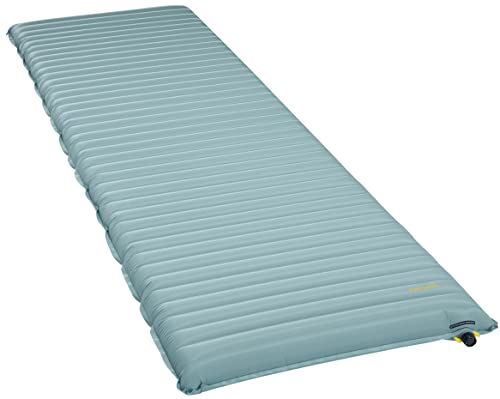

If you are planning a beach trip during the shoulder seasons or camping on windy, exposed dunes, the NeoAir XTherm is your best friend. Its reflective technology creates an incredibly high R-value, effectively blocking the cold that radiates from the sand at night. It is exceptionally lightweight, which is a major bonus if you have to hike your gear into a remote cove.
However, the "crinkly" sound of the internal baffles can be a dealbreaker for some light sleepers. If you move around a lot, the material noise might distract you. This pad is the gold standard for those who prioritize thermal performance above all else and need a reliable barrier against the chill.
Big Agnes Insulated Q-Core Deluxe for Comfort

The Q-Core Deluxe is built for the camper who refuses to sacrifice the feeling of a real bed. With its oversized outer baffles, it keeps you centered on the pad, preventing you from rolling off onto the sand in the middle of the night. The thickness is impressive, providing a plush, cushioned surface that masks even the most uneven beach topography.
Because it is so thick, it can feel a bit bouncy, which takes some getting used to if you prefer a firm mattress. If you prioritize pure comfort and have the pack space to carry a slightly bulkier item, this is the most luxurious inflatable option on the market. It is the perfect choice for those who want to feel like they are floating above the sand.
Klymit Static V Sleeping Pad for Portability

For the minimalist beach camper, the Klymit Static V is a reliable, no-nonsense workhorse. Its signature V-chamber design is engineered to limit air movement, which keeps you stable even when you shift your weight. It packs down to the size of a water bottle, making it an excellent choice for kayak camping or long treks along the shoreline.
The trade-off here is the lack of significant insulation compared to premium models. It is ideal for warm-weather beach trips, but you will feel the ground’s temperature if the mercury drops at night. If your primary goal is saving space and weight, this pad is an unbeatable value.
Sea to Summit Ether Light XT for Side Sleepers

Side sleepers often struggle with "bottoming out" on standard pads, but the Ether Light XT solves this with its extra-thick, independent air cells. These cells act like a pocket-sprung mattress, contouring to your hips and shoulders perfectly. It is arguably the most supportive pad for those who don’t sleep flat on their backs.
Be aware that because of its high-loft design, it requires a bit more effort to inflate fully. You will definitely want to use the included pump sack to get it to the right firmness. If you are a side sleeper who hates waking up with sore pressure points, this is the specific piece of gear you need in your kit.
NEMO Quasar 3D Insulated Pad for Stability

The NEMO Quasar 3D stands out because of its unique 3D construction, which creates a rectangular shape that feels much larger than it looks. The surface is soft and quiet, lacking that annoying plastic feel found in many other pads. It is incredibly stable, making it a great choice for restless sleepers who toss and turn throughout the night.
It balances weight and comfort better than almost any other pad in its class, making it a versatile "do-it-all" option. If you want one pad that works just as well for a sandy beach as it does for a mountain campsite, the Quasar is your best bet. It is a highly reliable, all-around performer that rarely disappoints.
Exped MegaMat 10 for Ultimate Luxury Camping

If you are car camping at a beach park and don’t need to carry your gear far, the Exped MegaMat 10 is the closest you will get to sleeping on a high-end mattress. It uses open-cell foam, which provides a level of support and warmth that air-only pads simply cannot match. You will forget you are even sleeping on the ground.
The downside is size; it is heavy, bulky, and takes up significant room in your vehicle. However, for those who value sleep quality as the cornerstone of their outdoor experience, there is no substitute. If you have the space, do not settle for anything less.
How to Properly Set Up Your Pad on Soft Sand
Before you unroll your pad, take a few minutes to prep the surface. Use a small shovel or your hands to clear away any large rocks, driftwood, or sharp shells that could compromise your pad’s fabric. Level the sand as much as possible, creating a slight depression for your hips to sit in, which adds natural stability.
Always lay a footprint or a heavy-duty tarp under your tent or sleeping area. This provides a secondary layer of protection against the abrasive nature of sand and helps keep your gear clean. Never inflate your pad to its absolute maximum capacity; leaving it slightly less than rock-hard allows it to conform better to your body and the terrain.
Maintaining Your Gear After Beach Exposure
Salt air and sand are the enemies of outdoor gear longevity. Once you return home, shake out your pad thoroughly to remove any grit from the valves and crevices. If sand gets into the valve, it can prevent a perfect seal, leading to slow leaks that will ruin your next trip.
Wipe down the surface with a damp cloth and mild soap to remove salt residue, which can degrade fabrics over time. Ensure the pad is completely dry before rolling it up for storage, as moisture trapped inside during the off-season will lead to mildew. A little bit of post-trip maintenance goes a long way in ensuring your pad stays functional for years.
Final Tips for a Restful Night by the Ocean
The secret to beach camping is managing the environment inside your tent as much as the gear underneath you. Keep your tent closed as much as possible to prevent sand from blowing in, and use a dedicated "clean zone" at the entrance to store your footwear. If you can keep the sand outside, you will be much more comfortable inside.
Remember that beach temperatures can drop rapidly once the sun sets, regardless of how hot the day was. Always pack a sleeping bag rated for a slightly lower temperature than you expect. With the right pad and a bit of preparation, you will find that sleeping by the ocean is the most rejuvenating way to spend a weekend.
Beach camping requires a bit more foresight than a standard forest trip, but the reward of waking up to the tide is well worth the extra effort. By choosing a pad that matches your sleeping style and protecting it from the elements, you can turn a sandy patch of coast into your own private luxury suite. Get your gear dialed in, head out to the water, and enjoy the best sleep of your life.