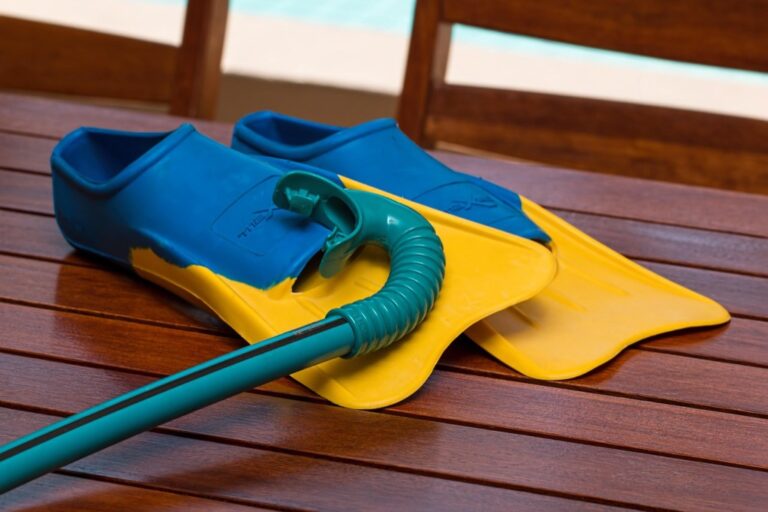
6 Best Swim Fins For Speed Training To Boost Your Pace
Boost your swim speed with our top 6 training fins. Discover how these essential tools improve ankle flexibility, leg strength, and your overall water pace.
Every swimmer knows that plateau where your stroke feels solid, but your pace remains stubbornly stagnant. Integrating swim fins into your training isn’t just about adding extra thrust; it’s about recalibrating your body’s relationship with water resistance and speed. By choosing the right tool, you can transform your kick from a drag-inducing necessity into a high-octane engine.
Disclosure: As an Amazon Associate, this site earns from qualifying purchases. Thank you!
Why Swim Fins Are Essential for Speed Training
Swim fins act as a force multiplier for your training sessions, allowing you to experience the sensation of higher speeds without burning out your muscles prematurely. By extending the surface area of your feet, they force your body into a more horizontal, streamlined position, which is the foundation of efficiency. When you feel that increased velocity, your brain begins to map out the necessary stroke rate and body alignment required to maintain that pace naturally.
Beyond simple speed, fins are incredible tools for proprioception—the awareness of your body in space. They exaggerate the feedback from your kick, making it immediately obvious if your knees are dropping or if your ankles are too rigid. Using them effectively turns every length of the pool into a technical masterclass, bridging the gap between your current pace and your potential.
Choosing the Right Stiffness for Your Kick Power
Selecting the correct stiffness is a balancing act between muscle fatigue and propulsion. Stiffer fins provide an immediate, explosive response, making them ideal for short, high-intensity sprints where you need to move a large volume of water instantly. However, if your ankle strength isn’t quite there, a blade that is too rigid can lead to cramping or even strain on the connective tissues in your foot.
Conversely, softer fins are more forgiving and better suited for long-distance endurance sets or technical drills where you want to focus on a fluid, rhythmic kick. They allow for a more natural range of motion, which helps in developing the necessary ankle flexibility over time. Always assess your current fitness level honestly; if you are just beginning speed work, lean toward a moderate stiffness that rewards good form rather than punishing poor mechanics.
DMC Elite II Fins: Best for Technical Drills
The DMC Elite II fins are a standout for swimmers who view the pool as a laboratory for perfecting their stroke. Their unique design features a specialized side rail that creates a "v" shape, which helps you maintain a natural kick rhythm even when you are pushing the pace. Because they are made from soft, high-quality silicone, they are incredibly comfortable for long sets and won’t cause the dreaded blisters associated with cheaper rubber fins.


If you are a swimmer who struggles with maintaining a consistent flutter kick during high-speed sets, these are your best friends. They provide just enough resistance to build strength without altering your natural biomechanics. If you prioritize technique and long-term joint health over raw, aggressive power, these fins are the perfect addition to your gear bag.
Finis Zoomers Gold: Best for Ankle Flexibility

The Finis Zoomers Gold are legendary in the swimming world for a reason: they are the ultimate tool for unlocking ankle mobility. With a shorter blade and a stiff construction, they force your feet into a plantar-flexed position, effectively training your ankles to stay loose and pointed. This is crucial for speed, as a "floppy" ankle acts as a drag anchor, killing your momentum before it even starts.
These fins are best suited for intermediate to advanced swimmers who want to improve their kick mechanics and overall propulsion. Because they are quite demanding, they aren’t meant for casual cruising; they are designed to be used for concentrated bursts of speed. If you find your kick is stiff or inefficient, these are the gold standard for correcting your form.
Arena Powerfin Pro: Best for Sprint Velocity

When your goal is to hit peak velocity during interval training, the Arena Powerfin Pro is the gear you want on your feet. Featuring an innovative design with a side-cutout, these fins allow for faster kick cycles, which is essential when you are trying to mimic race-pace intensity. The short, stiff blade focuses the power directly into the water, providing an immediate, explosive response that you can feel from the first push-off.
These are not for the faint of heart or the casual lap swimmer. They are engineered for performance-oriented athletes who need to maximize power output during short, anaerobic bouts. If you are training for competition and need to shave seconds off your sprint times, the Powerfin Pro is a non-negotiable investment.
TYR Stryker Silicone Fins: Best for Comfort
If you have ever been sidelined by blisters or foot cramps, the TYR Stryker Silicone fins are your solution. Constructed from 100% silicone, they offer a soft, flexible fit that conforms to your foot shape, eliminating friction points that often occur during high-intensity training. The ergonomic design ensures they stay secure through flip turns, preventing the annoying "sliding" sensation that plagues many other models.
These fins are perfect for swimmers who train frequently and need equipment that won’t punish their feet over the course of a week. They provide a balanced, natural-feeling propulsion that allows you to focus entirely on your stroke rather than your gear. If comfort is your top priority without sacrificing the benefits of speed training, these are the clear winners.
Speedo Switchblade Fins: Best for Pace Control
The Speedo Switchblade fins are a masterclass in versatility, featuring a unique blade angle that helps you maintain a more natural kick cycle. This design is particularly effective for swimmers who want to control their pace during long, aerobic sets without losing that extra bit of speed. The rigid construction ensures that every movement of your leg translates into forward motion, keeping your heart rate in that "sweet spot" of training.
These fins are ideal for swimmers who do a mix of distance and speed work in the same session. They offer enough surface area to provide a significant speed boost, yet they are maneuverable enough for complex drills. If you want a "do-it-all" fin that helps you maintain a steady, controlled pace, the Switchblade is an excellent choice.
Hydro Fin Original: Best for Propulsion Power

The Hydro Fin Original stands out for its unique, wide-blade design that moves a massive amount of water with every single kick. If you are looking to build raw leg power and increase your overall propulsion, these fins are unmatched. They are intentionally designed to be heavier and more substantial, making them an excellent tool for resistance training in the water.
These are best for swimmers who are looking to add a "strength training" component to their swim sessions. They provide significant resistance, which will make your legs feel incredibly light once you take them off. If you are focusing on building the engine behind your stroke and need maximum power, the Hydro Fin Original is the heavy-duty tool you need.
Proper Maintenance to Extend Your Fin Lifespan
Even the highest quality silicone or rubber fins will degrade if left to rot in a damp gym bag. After every session, rinse your fins thoroughly with fresh water to remove chlorine and salt, which can break down the materials over time. Avoid leaving them in direct sunlight for extended periods, as UV rays can cause the material to become brittle and eventually crack.
Storage is just as important as cleaning. Store your fins lying flat or standing upright, ensuring that the blades are not bent or compressed by other heavy equipment. If you take the extra minute to properly care for them, you will find that they maintain their original stiffness and responsiveness for years of training.
Integrating Fins Into Your Weekly Speed Workout
To get the most out of your fins, don’t use them for the entire duration of your workout. Instead, use them as a surgical tool during specific phases of your training, such as high-intensity interval sets or technical kick drills. A common mistake is relying on them for every lap, which can lead to over-reliance and a lack of strength development in your natural kick.
A good rule of thumb is to dedicate 20% to 30% of your total yardage to fin work. Start your session with a warm-up without fins to establish your natural feel, then introduce them for your main speed sets. By cycling them in and out, you ensure that you are building speed while simultaneously strengthening your legs to support that pace on their own.
Speed training with fins is less about the gear itself and more about how you use it to refine your movement. By selecting the right pair for your specific goals—whether that is ankle flexibility, raw power, or pure comfort—you can effectively bridge the gap to your next personal best. Keep your gear maintained, rotate your training styles, and enjoy the sensation of cutting through the water faster than ever before.