6 Best Swim Wetsuits For Cold Water For Winter Swimmers
Stay warm in freezing waters with our top six wetsuit picks. We analyze thermal insulation, flexibility, and fit to help winter swimmers choose the best gear.
There is a unique, exhilarating clarity that only comes from plunging into frigid winter waters when the rest of the world is huddled indoors. While the cold is a formidable adversary, the right equipment transforms a shivering ordeal into a meditative, high-performance experience. This guide will help you navigate the icy depths with the best gear engineered to keep your core temperature stable and your stroke efficient.
Disclosure: As an Amazon Associate, this site earns from qualifying purchases. Thank you!
Understanding Cold Water Swimming Safety Basics
Cold water swimming requires a profound respect for physiology, as the initial "cold shock" response can trigger an involuntary gasp reflex. Before you even consider your gear, prioritize your acclimatization process by entering the water slowly and allowing your breathing to stabilize. Never swim alone in winter conditions, and always ensure a spotter is watching from the shore.
It is a common misconception that a wetsuit makes you invincible to hypothermia; in reality, it only buys you time. Always monitor your extremities for signs of numbness and keep your sessions shorter than you think you need to. If you feel your coordination slipping or your speech becoming slurred, exit the water immediately and focus on gradual rewarming.
Orca Openwater RS1: Best Performance Wetsuit
The Orca Openwater RS1 is designed for the swimmer who refuses to sacrifice speed for warmth. This suit features high-visibility panels that are essential for safety in the often-murky, low-light conditions of winter months. Its construction focuses on thermal retention without the bulky drag associated with traditional thick-neoprene suits.
If you are a competitive athlete or a dedicated lap swimmer who maintains a high heart rate, this is your go-to choice. It offers a sleek, hydrodynamic profile that feels like a second skin rather than a heavy barrier. If you prefer a suit that feels fast and nimble while still blocking out the winter bite, the RS1 is the gold standard for your kit.
Zone3 Victory D: Top Choice for Thermal Warmth
When the mercury drops and the water feels like liquid ice, the Zone3 Victory D is the suit you want on your side. It utilizes specialized heat-retaining internal linings that reflect body heat back toward the skin, significantly delaying the onset of the cold-water shiver. This suit is engineered for durability and maximum insulation in the harshest environments.
While it is slightly heavier than racing-specific models, the tradeoff for warmth is undeniable for long-duration winter swims. This is the ideal investment for the swimmer who prioritizes staying in the water longer over shaving seconds off a personal best. If your primary goal is to survive the cold comfortably rather than racing, this is the suit that will keep you in the lake through the deepest part of winter.
Blueseventy Thermal Reaction: Best Flexibility
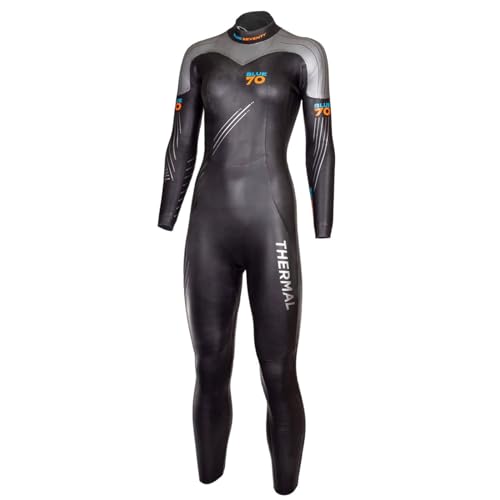

Many thermal suits feel like wearing a suit of armor, but the Blueseventy Thermal Reaction manages to retain incredible range of motion. By utilizing strategically placed, thinner neoprene in the shoulders and arms, it allows for a natural, fluid stroke. You won’t feel the "shoulder fatigue" that often plagues swimmers wearing thicker, less ergonomic winter gear.
This suit is perfect for the swimmer who struggles with the restricted feeling of traditional winter wetsuits. It bridges the gap between a high-performance racing suit and a heavy-duty thermal barrier. If you value a natural stroke mechanics and want to avoid the stiffness that ruins your technique, this is the most flexible thermal option on the market.
HUUB Aegis III: Best Wetsuit for Buoyancy
The HUUB Aegis III is a masterclass in buoyancy management, particularly useful for swimmers who find their legs sinking when their body temperature drops. By utilizing varying thicknesses of neoprene, it lifts the lower body, helping you maintain a flat, efficient swimming position. This is a game-changer for maintaining form when your muscles start to tire from the cold.
This suit is particularly well-suited for those who struggle with technique or find that the cold makes their core engagement suffer. It provides a sense of security and stability that helps you focus on your breathing rather than fighting to stay afloat. If you want a suit that supports your body position and compensates for the physical toll of cold water, look no further.
Roka Maverick MX: Best for Natural Swimmers
The Roka Maverick MX is built for the swimmer who wants a suit that feels completely unrestrictive, almost as if you aren’t wearing one at all. It uses a unique pattern design that mimics the natural movement of the human body, making it the most comfortable suit for long-distance efforts. It is less about "locking in" heat with bulk and more about high-tech materials that provide warmth without the weight.
This is the premier choice for experienced swimmers who have a well-developed stroke and don’t want their gear to interfere with their rhythm. While it is a premium investment, the comfort level is unmatched for those who spend hours in the water. If you are a seasoned swimmer who values a natural, unrestricted feel above all else, this is the suit for you.
Xterra Velocity: Best Value for Winter Swimmers

If you are just beginning your journey into winter swimming and don’t want to break the bank, the Xterra Velocity offers a fantastic entry point. It provides a solid balance of warmth, flexibility, and buoyancy at a price point that is accessible for most enthusiasts. It is a reliable, no-nonsense suit that gets the job done without unnecessary frills.
While it may not feature the cutting-edge thermal liners of the most expensive models, it is more than adequate for moderate winter conditions. It is a durable, workhorse suit that will introduce you to the joys of cold-water swimming without requiring a massive upfront commitment. For the budget-conscious swimmer who wants quality performance, the Velocity is a smart, practical choice.
Essential Gear for Cold Water Preparation
Beyond the wetsuit, your accessory game is what truly determines your comfort level in the winter. Neoprene caps are non-negotiable; a significant amount of body heat is lost through the head, and a double-cap setup—a thin silicone cap under a neoprene one—is a pro move. Don’t forget high-quality neoprene gloves and booties, as protecting your extremities is the best way to prevent the "claw hand" sensation that makes exiting the water difficult.

Consider investing in a high-visibility tow float, which serves the dual purpose of keeping you visible to boaters and providing a place to rest if you experience a cramp. A bright, neon-colored silicone swim cap worn over your neoprene hood also adds an extra layer of safety. Always keep a dryrobe or a large, thick towel ready immediately upon exiting the water to start the rewarming process instantly.
Stay warm and comfortable in cold water with this 3mm neoprene dive hood. Its ergonomic, watertight design and flow vent system ensure a snug fit and reduce air buildup for enhanced flexibility during all water sports.

Proper Wetsuit Maintenance and Care Tips
Your wetsuit is an investment in your health and performance, so treat it with care. After every swim, rinse your suit thoroughly with fresh, cold water to remove salt, chlorine, or lake debris. Never use hot water, as it can degrade the neoprene and weaken the adhesive in the seams.
Always air dry your suit in the shade, away from direct sunlight, which is the fastest way to crack and ruin the material. Once dry, store it on a wide, padded hanger to prevent stress marks on the shoulders. If you follow these simple steps, your suit will remain supple and effective for many winter seasons to come.
Maximizing Your Winter Open Water Experience
The secret to enjoying winter swimming is consistency; the more frequently you expose yourself to the cold, the more your body adapts to the stimulus. Set realistic goals, like increasing your time in the water by just thirty seconds each session, rather than trying to conquer long distances immediately. Keep a log of your swims, noting the water temperature and how you felt, to track your progress and confidence.
Ultimately, winter swimming is about the mental shift from viewing the cold as an enemy to seeing it as a refreshing, invigorating partner. Bring a thermos of warm tea for after your swim and enjoy the profound sense of accomplishment that follows a successful session. Respect the water, listen to your body, and you will find that winter is perhaps the most rewarding time of the year to be a swimmer.
Winter swimming is a transformative practice that demands the right gear and a mindful approach to safety. By selecting a wetsuit that matches your swimming style and prioritizing proper post-swim recovery, you can turn the coldest months into your most productive training season. Embrace the chill, stay safe, and enjoy the unparalleled clarity that awaits you in the water.