7 Best Aquatic Therapy Cuffs For Leg Workouts for Recovery
Boost your recovery with our top 7 aquatic therapy cuffs. Discover how these tools provide essential resistance and support for effective leg workouts today.
Stepping into the pool for rehabilitation is one of the most effective ways to regain mobility without the harsh impact of gravity. Aquatic therapy cuffs are the secret weapon for turning water resistance into a targeted workout for your legs. Choosing the right pair can transform a standard swim session into a highly efficient recovery protocol.


Disclosure: As an Amazon Associate, this site earns from qualifying purchases. Thank you!
Understanding Aquatic Therapy Cuff Benefits
Aquatic therapy cuffs work by utilizing the natural buoyancy and resistance of water to challenge your muscles without stressing your joints. When you strap these foam-based tools to your ankles, you create a lever arm that forces your legs to work harder against the water’s density. This is a game-changer for anyone recovering from surgery or managing chronic joint pain.
Beyond simple resistance, these cuffs provide essential stability for those who struggle with balance in the water. By keeping your legs buoyant, they allow you to focus on proper form during gait training or leg lifts. You aren’t just moving through water; you are creating a controlled environment where healing can happen at your own pace.
Hydro-Fit Aquatic Ankle Cuffs for Stability
Enhance your aquatic workouts with HYDRO-FIT Classic Cuffs. These adjustable, one-size-fits-all cuffs add resistance for increased strength and improved conditioning in the water.

The Hydro-Fit cuffs are an excellent choice for individuals who prioritize consistent, reliable buoyancy during their recovery journey. Their design focuses on keeping the legs afloat, which is particularly helpful if you are performing slow-motion leg extensions or hip abductions. The locking mechanism is secure, ensuring they won’t slip off during more vigorous movements.
If you are looking for a cuff that feels sturdy and provides a sense of security, these are a top-tier pick. They aren’t designed for high-speed resistance, but rather for controlled, therapeutic motions. For those recovering from knee or hip procedures, the Hydro-Fit offers the stability you need to move with confidence.
AquaJogger Buoyancy Cuffs for Leg Recovery

AquaJogger is a household name in the pool for a reason, and their buoyancy cuffs are no exception. These are specifically engineered to provide maximum lift, making them ideal for deep-water running and buoyancy-assisted exercises. The foam is high-quality and resists degradation even with frequent exposure to chlorinated water.
These cuffs are perfect for the athlete transitioning back to running after a lower-body injury. By simulating the mechanics of running without the ground impact, they help you maintain cardiovascular fitness while protecting your recovering tissues. If you need a reliable tool that supports a full range of motion, the AquaJogger is your go-to.
Kiefer Aquatic Resistance Cuffs for Strength
When your recovery has progressed to the point where you need to build actual muscle strength, Kiefer Resistance Cuffs are the industry standard. Unlike buoyancy-heavy cuffs, these are designed to create drag, forcing your muscles to push against the water’s weight. They are slightly more compact, which allows for a wider variety of leg exercises.
These are best suited for those who have moved past the initial healing phase and are ready to challenge their lower body. They provide a noticeable level of resistance that can turn a simple walk across the pool into a strenuous workout. If you are serious about strength gains, these cuffs provide the necessary resistance to get results.
Speedo Aqua Fitness Cuffs for Beginners

Speedo’s entry into the aquatic therapy space is exactly what you would expect: streamlined, accessible, and user-friendly. These cuffs are perfect for someone new to water therapy who might be intimidated by bulky, complex equipment. They are lightweight, easy to put on, and provide just enough resistance to get your muscles firing correctly.
If you are just beginning your aquatic journey and want a low-stakes, high-utility piece of gear, look no further. They are comfortable enough for longer sessions, which is crucial when you are just building up your stamina. For the casual user or the beginner in physical therapy, Speedo offers a balanced, reliable product.
TheraBand Aquatic Cuffs for Physical Therapy
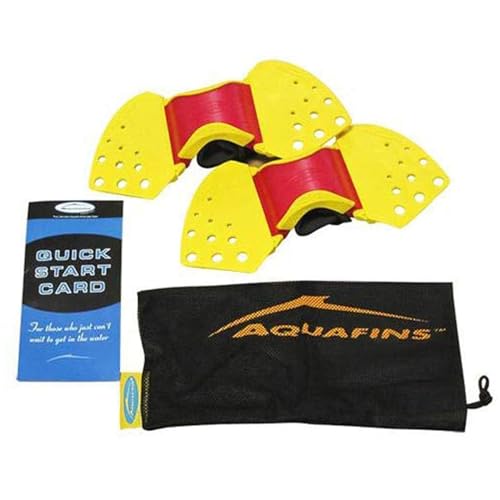
TheraBand is synonymous with clinical rehabilitation, and their aquatic cuffs reflect a professional-grade approach to recovery. These are often the preferred choice for physical therapists because they are adjustable and designed to accommodate various ankle sizes comfortably. The focus here is on ergonomics and ensuring the user maintains proper alignment during exercise.
If you are following a specific rehab plan provided by a professional, these cuffs are likely what you need. They are designed to be part of a structured program, offering consistent resistance that tracks well with recovery benchmarks. For those who want a medical-grade tool to support their healing, TheraBand is the superior choice.
Beco Aqua-Jogging Cuffs for Joint Support
Beco cuffs are uniquely shaped to provide support that feels natural and non-restrictive. They are excellent for those who experience joint discomfort when using traditional, heavier resistance equipment. The ergonomic contouring helps distribute the pressure evenly around the ankle, reducing the risk of irritation during extended use.
If you suffer from sensitive joints or arthritis, the Beco design is a thoughtful solution. They provide the necessary support to keep you moving without causing extra strain on your skin or joints. They are a fantastic option for anyone who needs "gentle" resistance that doesn’t compromise on effectiveness.
Aquastrength Resistance Cuffs for Athletes

For the athlete who is looking to maintain peak performance during an injury, Aquastrength is the most advanced option on this list. These cuffs are designed specifically to provide 360-degree resistance, meaning you feel the drag regardless of which direction you move your leg. They are built for high-intensity training and are incredibly durable.
These are not for the casual walker; they are for the individual who treats their recovery like a training block. If you need to replicate explosive movements or high-speed drills in the water, these will provide the resistance you crave. For the dedicated athlete, Aquastrength is the definitive tool to keep your legs game-ready.
Proper Fitting Techniques for Water Cuffs
A cuff is only as good as its fit, and improper placement can lead to chafing or ineffective resistance. Always ensure the cuff is snug enough that it doesn’t rotate around your ankle, but loose enough to allow for normal circulation. Most cuffs should sit just above the ankle bone to avoid interfering with your foot’s natural range of motion.
Take a moment to secure the straps firmly before you enter the water. If you feel the cuff sliding during your workout, stop and adjust it immediately to prevent skin irritation. Proper fitting isn’t just about comfort; it’s about ensuring the resistance is applied where you need it most.
Safety Tips for Aquatic Resistance Training
Always start your session with a gentle warm-up to prepare your muscles for the added resistance of the cuffs. It is easy to overestimate your strength in the water, so begin with shorter intervals and gradually increase your intensity as you feel stronger. Never push through sharp pain, as the water can sometimes mask the early signs of muscle strain.
Keep these safety considerations in mind:
- Stay Hydrated: You sweat in the pool, even if you don’t feel it; keep water on the deck.
- Monitor Your Heart Rate: Aquatic exercise can be deceptive in its intensity.
- Use a Buddy System: Especially if you are rehabbing a significant injury, having someone nearby is always safer.
- Check Your Gear: Inspect your cuffs for tears or loose straps before every use to prevent mid-workout failure.
Investing in the right aquatic therapy cuffs is a proactive step toward regaining your strength and mobility. By matching the equipment to your specific recovery stage, you ensure that every minute in the pool is productive and safe. Take your time, listen to your body, and enjoy the unique healing power of the water.