6 Best Waders For Fly Fishing In Lakes For Deep Wading
Deep wading in lakes requires durability and safety. We review the 6 best waders offering superior waterproofing, comfort, and mobility for deep-water fishing.
When you’re stalking trophy trout in a high-alpine lake, the best water is often just beyond the reach of a casual caster. Deep wading unlocks the hidden drop-offs and weed lines where the biggest fish reside, but it demands gear that won’t compromise your safety. Choosing the right waders is the difference between a productive day on the water and a miserable, soaked retreat to the truck.
Disclosure: As an Amazon Associate, this site earns from qualifying purchases. Thank you!
Simms G4 Pro: The Gold Standard for Deep Wading
When you are venturing into deep, cold lake water, the Simms G4 Pro is the benchmark for performance and longevity. These waders utilize a proprietary four-layer GORE-TEX Pro shell that is remarkably breathable yet essentially impenetrable to water pressure. The articulated knees and advanced seam construction mean that even when you are pushing into chest-deep water, you won’t feel the restrictive pull often found in lesser gear.
If you are a dedicated angler who spends dozens of days a year on the water, the investment here is justified by the sheer reliability of the components. The integrated storage pockets and the sheer toughness of the fabric make them a fortress against the elements. If you prioritize long-term performance and are willing to pay for the best, the G4 Pro is your definitive choice.
Orvis Pro Wader: Durability for Rocky Lakebeds
Lake bottoms are rarely uniform, and navigating rocky, uneven terrain requires gear that can withstand constant abrasion. The Orvis Pro Wader is built with a proprietary Cordura shell that is specifically designed to resist punctures and scuffs. This is the wader you want when you are sliding over submerged granite or navigating through dense, abrasive reeds.
Beyond the rugged exterior, these waders feature a highly athletic fit that allows for a full range of motion, which is crucial for maintaining balance in deep, shifting water. The internal knee pads are a subtle but brilliant addition for those who need to kneel on rocky shores to land a fish. If your home water is rugged and unforgiving, the Orvis Pro is the superior tool for the job.
Patagonia Swiftcurrent: The Eco-Friendly Choice
Patagonia has long been a leader in sustainable manufacturing, and their Swiftcurrent waders prove that you don’t have to sacrifice performance for environmental responsibility. These waders use recycled materials throughout their construction, yet they remain some of the most comfortable and mobile options on the market. The fit is exceptionally well-tailored, reducing the "bulk" that can make deep wading feel like a struggle.
These are an ideal pick for the angler who values lightweight mobility without compromising on technical specs. The drop-down suspension system is a standout feature, allowing you to quickly convert them for warmer weather or easier transitions. If you want a high-performance wader that aligns with an eco-conscious ethos, this is the one to pick.
Redington Sonic-Pro: Best Value for Deep Water
Value is often equated with "cheap," but the Redington Sonic-Pro is a masterclass in providing pro-level features at a more accessible price point. The key here is the sonic-weld seam technology, which eliminates traditional stitching and the associated needle holes that can eventually lead to leaks. By bonding the fabric ultrasonically, they create a stronger, more durable seal that holds up under the pressure of deep water.
These waders are perfect for the intermediate angler who needs reliable gear but isn’t quite ready to commit to the premium price tags of top-tier brands. They offer a clean, uncluttered design that gets the job done without unnecessary bells and whistles. If you want the best possible protection for your money, the Sonic-Pro is a smart, pragmatic choice.
Simms Freestone: Reliable Gear for Lake Anglers
The Simms Freestone has earned its reputation as the workhorse of the fly fishing world for a reason. It is built to be a no-nonsense, highly functional wader that handles the rigors of lake fishing with ease. While it lacks the ultra-premium materials of the G4 Pro, it still features a robust four-layer fabric that provides excellent waterproofness and breathability.
This is the go-to recommendation for the angler who wants a dependable, "buy it once and forget it" piece of equipment. It offers a comfortable fit and enough storage for your essential flies and tools, making it perfect for long days on the lake. If you value a proven track record over cutting-edge innovation, the Freestone will not let you down.
Frogg Toggs Hellbender: Best Entry-Level Pick
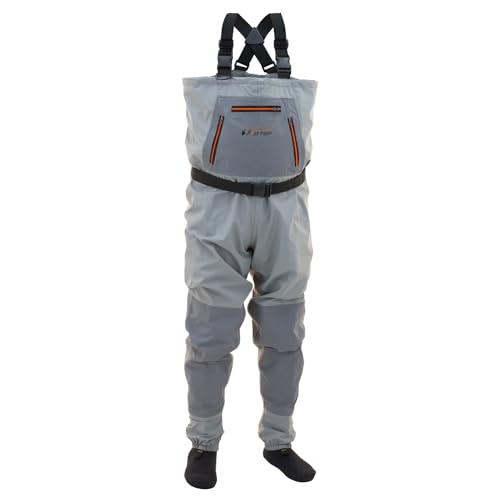

Entering the world of deep-water fly fishing doesn’t have to break the bank, and the Frogg Toggs Hellbender serves as a capable starting point. These waders provide the basic requirements for safety and comfort: a waterproof, breathable membrane and reinforced knees for durability. While they may not have the refined articulation of more expensive models, they are perfectly adequate for weekend trips and casual outings.
The Hellbender is for the angler who is just getting started or who only fishes a few times a season. It provides a solid barrier against the cold without the high-end cost of professional-grade gear. If you are looking for a functional, budget-friendly entry into the sport, this is a clear winner.
Essential Features for Deep Lake Fly Fishing
When wading deep, your gear needs to be more than just a waterproof shell. Look for these critical features to ensure safety and comfort:
- Integrated Gravel Guards: These prevent debris from entering your boots, which is vital when wading in silty or sandy lakebeds.
- Chest-High Design: Essential for deep wading to provide the maximum possible vertical reach before water tops your waders.
- Articulated Knees: These allow for a natural stride, preventing the fabric from bunching and creating resistance in the water.
- D-Rings and Attachment Points: Essential for keeping your net, nippers, and floatant secure and accessible while you are mid-lake.
Understanding Breathable Fabric Tech for Lakes
Breathable fabric technology relies on microscopic pores that are small enough to keep liquid water out but large enough to let water vapor (sweat) escape. In the context of lake fishing, this is crucial because deep water is often cold, but the act of wading is physically demanding. If your waders don’t breathe, you will become damp with perspiration, which will quickly chill you once you stop moving.
Remember that no fabric is truly "waterproof" under infinite pressure; it is all about the hydrostatic head rating. High-quality waders use multi-layer laminates that balance this breathability with the ability to withstand the pressure of deep water. Always look for multi-layer construction to ensure the fabric doesn’t collapse under the weight of the water column.
Proper Layering Systems for Cold Water Wading
The wader is only the outer shell; your comfort depends entirely on what you wear underneath. Avoid cotton at all costs, as it traps moisture and will leave you shivering in minutes. Instead, use a synthetic or merino wool base layer to wick moisture away from your skin.
Add a mid-layer of fleece or a specialized wading pant to trap heat against your body. The goal is to create a "micro-climate" inside your waders that remains dry and warm regardless of the ambient temperature. On particularly cold days, a thicker fleece layer is non-negotiable for maintaining circulation and focus.
Safety Protocols for Wading in Deep Waters
Deep wading is an inherently risky activity that requires constant vigilance. Always wear a wading belt, and ensure it is snug; this prevents a rush of water from filling your waders should you take an accidental plunge. A filled wader acts like an anchor, making it nearly impossible to regain your footing.
Always use a wading staff when navigating unknown lakebeds or moving through deep, murky water. It provides a crucial third point of contact, helping you feel for drop-offs and hidden obstructions before you commit your weight. Finally, always let someone know where you are heading and when you plan to return, especially when fishing remote lakes.
Deep wading is one of the most rewarding ways to experience fly fishing, offering access to water that few others can reach. By choosing the right gear and respecting the inherent risks of the environment, you can extend your season and increase your chances of success. Stay safe, stay dry, and enjoy the solitude of the deep water.