

6 Best Kayak Camping Tarps For Extra Shelter For Trips
Maximize your comfort on the water with our top 6 kayak camping tarps. We evaluate durability, weight, and coverage to help you choose the best extra shelter.
There is nothing quite like the sound of rain drumming against a taut piece of fabric while you are safely tucked away on a remote riverbank. A high-quality tarp transforms a basic kayak camping trip into a comfortable expedition, shielding you from both the scorching sun and unexpected coastal squalls. Investing in the right shelter is the difference between a miserable, soggy night and a restorative sleep that leaves you ready for the next day’s paddle.
Disclosure: As an Amazon Associate, this site earns from qualifying purchases. Thank you!
Essential Gear for Kayak Camping Shelter
When you are living out of a kayak, your shelter strategy must revolve around two things: weight and packability. Unlike hiking, where weight is distributed on your back, kayak camping requires gear that fits into tight, oddly shaped hatches while remaining completely waterproof. A tarp is often superior to a tent in these environments because it allows for superior airflow, preventing the condensation that frequently plagues small, cramped tents near the water.
Beyond the tarp itself, your "shelter kit" should include high-visibility guy lines, lightweight aluminum or carbon fiber stakes, and a few carabiners for quick adjustments. Remember that sandy or muddy riverbanks often require specialized stakes, such as snow/sand anchors or even improvised deadman anchors using rocks or logs. Having a modular system allows you to adapt to the specific terrain you find at the end of your paddling day.
Choosing the Right Tarp for Water Trips
Selecting a tarp for water-based travel requires a different mindset than picking one for alpine backpacking. You need a material that is not only waterproof but also durable enough to withstand the abrasive nature of sand and the occasional snag from riverside brush. Look for high-denier fabrics with a robust polyurethane or silicone coating to ensure the water beads off rather than soaking through during a heavy storm.
Shape and size are equally critical considerations. A rectangular or hex-shaped tarp provides the most versatility, allowing you to pitch it in a lean-to configuration for ventilation or a closed-in "A-frame" for maximum storm protection. Always aim for a tarp that offers enough square footage to cover both you and your dry bags, as keeping your gear dry is just as important as keeping yourself comfortable.
AquaQuest Guide Tarp: Best Overall Choice


The AquaQuest Guide Tarp is the gold standard for paddlers who refuse to compromise on durability. Its heavy-duty, reinforced stitching and high-quality waterproof coating make it nearly indestructible in harsh conditions. I recommend this for the dedicated expedition kayaker who expects to encounter unpredictable weather and needs a shelter that will last for years of heavy use.
While it is slightly heavier than ultra-light racing gear, the peace of mind it provides during a gale is worth every extra ounce. If you prioritize reliability and want a "set it and forget it" piece of kit, this is your primary choice. It is the perfect balance of weight, size, and rugged performance.
Kelty Noah’s Tarp 12: Best Versatile Option

If you enjoy changing your setup based on the wind direction or the view, the Kelty Noah’s Tarp 12 is a fantastic companion. Its unique catenary cut—a curved edge design—allows for a remarkably taut pitch that sheds water efficiently without sagging. This is the go-to option for those who want a large, communal living space for cooking and socializing on rainy days.
Because of its size and shape, it is incredibly easy to configure in a variety of ways, from a simple sunshade to a complex storm shelter. It is not the lightest option for solo ultra-light trips, but for group outings or base camping, its versatility is unmatched. You will find this to be the most "user-friendly" tarp in your arsenal.
Rab Siltarp 2: Best Lightweight Selection
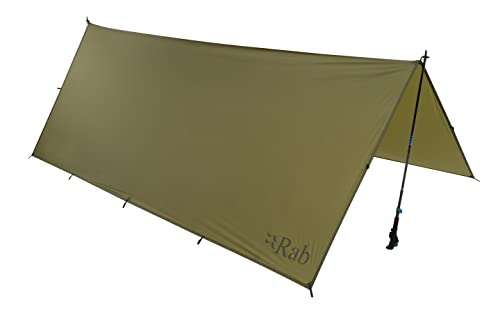
For the minimalist paddler who counts every gram, the Rab Siltarp 2 is an engineering marvel. Constructed from ultralight silicone-impregnated fabric, it packs down to the size of a large grapefruit, making it ideal for those tight, narrow kayak hatches. It is designed for the solo adventurer who wants to move fast and light without sacrificing essential protection.
The tradeoff here is the thinness of the material, which requires a bit more care when setting up near sharp branches. However, if your goal is to minimize bulk and weight, this tarp is hard to beat. It is a specialized tool for the experienced camper who knows how to handle delicate gear with precision.
Hennessy Hammock Hex: Best Tarp for Hammocks

If you prefer sleeping in a hammock rather than on the hard ground, the Hennessy Hammock Hex is specifically engineered to integrate seamlessly with your hanging system. Its asymmetrical shape provides excellent coverage for your hammock while keeping the weight low and the profile aerodynamic. It is designed to keep you dry even in driving rain, which is a common challenge when hammock camping near open water.
This tarp is the clear winner for anyone who already uses a hammock system, as it eliminates the frustration of trying to fit a standard rectangular tarp over a curved sleeping setup. It is purpose-built, highly effective, and takes the guesswork out of your nightly setup. If you hang, you should own this.
DD Hammocks 3×3 Tarp: Best Durable Solution

The DD Hammocks 3×3 Tarp is a legendary piece of gear known for its sheer toughness and abundance of attachment points. With 19 reinforced tie-outs, you have endless options for configuring your shelter, whether you are between trees or using trekking poles as makeshift supports. It is a workhorse that can handle the abuse of coastal environments and rocky shorelines without fraying.
I recommend this for the camper who wants a high-value, multi-purpose tarp that doesn’t break the bank. It is slightly heavier than the high-end ultralight options, but the trade-off is a level of durability that allows you to be much less precious with your gear. It is a reliable, "no-nonsense" shelter that will serve you well for seasons to come.
Bushmen Ultralight Tarp: Best Compact Choice

The Bushmen Ultralight Tarp is a fantastic option for those who want a blend of modern materials and a compact footprint. It uses high-tech fabrics to keep weight down while maintaining a high hydrostatic head, ensuring that you stay dry even in prolonged downpours. It is an excellent middle-ground choice for paddlers who want a balance between the extreme minimalism of the Rab and the heavy-duty nature of the AquaQuest.
The packing size is exceptionally small, leaving you more room in your hatches for food and extra clothing. If you are looking for a reliable, modern, and highly portable shelter that doesn’t feel like a compromise, this is an excellent choice. It is a sophisticated piece of gear that performs well across a wide range of climates.
Tips for Setting Up Your Kayak Tarp
- Scout your location: Look for natural windbreaks like rock formations or dense brush to reduce the pressure on your tarp during high winds.
- Master the knots: Learn the taut-line hitch and the trucker’s hitch; these are essential for getting your tarp drum-tight, which prevents water pooling.
- Angle for rain: Always ensure one side of your tarp is lower than the other so that water has a clear path to run off rather than collecting in the center.
- Use your kayak: If you are in an open area, use your kayak as a structural element to support one side of the tarp, which saves you from carrying extra poles.
Maintaining Your Shelter Gear Long Term
After every trip, you must rinse your tarp with fresh water to remove salt, sand, and silt, all of which can degrade the waterproof coating over time. Never store your tarp while it is wet; always hang it to air dry in a shaded area, as direct UV exposure can weaken the fabric fibers. A little bit of care after you get off the water will double the lifespan of your shelter.
Once or twice a season, inspect your guy lines for fraying and check the seams for any signs of wear. If you notice the water is no longer beading up on the surface, a simple application of a silicone-based waterproofing spray will restore its performance. Treating your gear with respect ensures that when the next big storm hits, your shelter will be ready to perform.
Choosing the right tarp is a foundational step in becoming a confident and comfortable kayak camper. By matching your specific needs—whether that is ultralight portability or rugged, long-term durability—to the right piece of equipment, you set yourself up for success on the water. Now that you have the right shelter, you are ready to explore those remote shorelines with the peace of mind that you can handle whatever weather comes your way.
