

6 Best Kayak Sonar Systems For Beginners to Master Fishing
Master kayak fishing with our top 6 sonar picks. Learn how these beginner-friendly devices help you locate fish and navigate waters with precision and ease.
Staring at the vast, rippling surface of a lake can feel like looking at a blank wall when you’re trying to locate elusive fish. Investing in a sonar system transforms that mystery into a clear map of the underwater world, turning frustrating outings into productive fishing trips. Whether you are a weekend warrior or a budding angler, the right electronics will drastically shorten your learning curve.
Disclosure: As an Amazon Associate, this site earns from qualifying purchases. Thank you!
Why Kayak Sonar Systems Matter for Beginners
When you’re paddling a kayak, you don’t have the luxury of a massive boat deck or a high-end console, which makes efficiency paramount. A sonar system acts as your underwater eyes, helping you identify structure, drop-offs, and schools of baitfish that you would otherwise paddle right over. Without it, you are essentially fishing blind, relying solely on luck rather than informed strategy.
For a beginner, the biggest advantage is confidence. Knowing exactly how deep the water is and what the bottom composition looks like prevents you from wasting hours in barren zones. Once you start seeing those telltale arches on your screen, you’ll stop guessing and start targeting, which is the fastest way to build your skills on the water.
Garmin Striker 4: Top Choice for Ease of Use
The Garmin Striker 4 is the gold standard for anyone who wants to plug and play without needing a degree in marine electronics. Its interface is incredibly intuitive, featuring a crisp, bright display that remains readable even under direct sunlight. If you want a no-nonsense unit that focuses purely on finding fish and marking waypoints, this is your best bet.
I recommend this unit for the angler who values simplicity over fancy bells and whistles. It excels at basic 2D sonar, providing clear, reliable returns that tell you exactly what’s happening beneath your hull. If your goal is to spend more time fishing and less time fiddling with complex menus, the Striker 4 is the clear winner for your kayak.
Lowrance Hook Reveal 5: Best Mapping Tech
If you are the type of person who loves to explore new lakes and identify hidden honey holes, the Lowrance Hook Reveal 5 is a game-changer. Its standout feature is the Genesis Live real-time mapping, which allows you to create custom contour maps of uncharted waters as you paddle. This level of detail gives you a massive tactical advantage when scouting new territory.
![Genesis - The Broadcast Collection 1975-1981 - 5СD [5 CD Box Set]](https://m.media-amazon.com/images/I/41Wn2nFMQvL._SL500_.jpg)

The FishReveal technology is another highlight, as it intelligently overlays high-detail down-imaging onto your standard sonar view. This makes it much easier to distinguish between a cluster of weeds and a school of active bass. If you are serious about mapping your local waters and want professional-grade clarity, this unit is worth every penny of the upgrade.

Humminbird PiranhaMAX 4: Best Value System
Sometimes you just need a reliable depth finder that doesn’t break the bank, and that is exactly where the PiranhaMAX 4 shines. It is compact, rugged, and perfectly suited for the tight quarters of a kayak. You get a sharp, color display that makes it easy to spot bottom transitions and fish arches without any unnecessary complexity.
This system is ideal for the budget-conscious angler who wants a dedicated sonar unit without the cost of high-end networking features. It provides the essential information you need to stay safe and catch fish, nothing more and nothing less. If you are just starting your kayak fishing journey and need a reliable, entry-level workhorse, look no further.
Deeper PRO+ 2: Best Portable Sonar Option
The Deeper PRO+ 2 is a unique solution that replaces a mounted display with your own smartphone screen. This castable sonar puck is perfect for kayak anglers who prefer a minimalist setup or frequently switch between different rental kayaks. Because it’s wireless, you can even cast it ahead of you to scan a specific spot before you paddle over it.
This device is an excellent choice for those who hate the idea of drilling holes or running wires through their kayak’s hull. However, keep in mind that you will need to keep your phone charged and protected from the elements. If you prioritize portability and a clutter-free deck, the Deeper PRO+ 2 is the most innovative tool in your arsenal.
Garmin Striker Cast: Top Wireless Sonar Pick

The Garmin Striker Cast is the ultimate "grab and go" sonar for the tech-savvy minimalist. Like other castable options, it syncs directly to your smartphone, but it carries the reliability and sonar processing power that Garmin is famous for. It’s small enough to fit in a tackle box, yet powerful enough to provide a detailed view of the water column.
This unit is perfect for the angler who wants to scan shallow coves or docks without spooking fish with a mounted transducer. It is a specialized tool, so it isn’t meant for long-distance trolling or deep-water offshore fishing. If you want a versatile, secondary sonar that you can toss in your pocket, the Striker Cast is an excellent addition to your gear.
Humminbird Helix 5: Best High-Res Display
When you are ready to move beyond the basics, the Humminbird Helix 5 offers a screen resolution that makes the underwater world look remarkably lifelike. The clarity provided by its high-definition display helps you identify subtle differences in bottom structure, like the transition from mud to gravel. This is the kind of detail that separates the casual angler from the expert.
This unit is a bit more of an investment, but the performance jump is significant. It is best suited for the angler who spends long days on the water and wants to analyze every detail of the sonar return. If you want a professional-grade display that will grow with you as your fishing skills advance, the Helix 5 is a fantastic long-term investment.
Essential Mounting Tips for Kayak Sonar
Mounting your sonar is just as important as the unit you choose, as a bad installation can lead to signal loss or even a damaged transducer. For most kayaks, a "thru-hull" mount inside the hull is the cleanest option, though it requires a specific transducer type and good marine epoxy. If you prefer to keep the transducer in the water, a track-mounted arm is the most versatile solution.
- Avoid bubbles: Ensure your transducer is mounted in a location that stays submerged and free of turbulence.
- Check for interference: Keep your sonar wiring away from other electronic cables to prevent electrical noise on your screen.
- Accessibility: Mount your display where you can easily reach the buttons or touchscreen while sitting in your normal paddling position.
Understanding Basic Sonar Imaging Modes
Most modern sonar units offer a few different viewing modes, and understanding them is key to interpreting what you see. Traditional 2D sonar uses a cone-shaped beam to show you depth and fish arches directly below you. Down-imaging, on the other hand, uses a high-frequency, thin beam to provide a near-photographic image of the bottom, perfect for spotting logs, rocks, or submerged structures.
Don’t feel pressured to use every mode at once; most beginners find success by keeping a split-screen view of 2D sonar and down-imaging. This allows you to see the "arches" (fish) on the 2D side while confirming what that object is on the down-imaging side. Experimenting with these modes in shallow, clear water is the best way to train your eyes to recognize what is actually under your kayak.
Powering Your Kayak Sonar Setup Safely
Powering your electronics on a kayak requires a balance between weight and runtime. Most anglers opt for a lightweight lithium-iron-phosphate (LiFePO4) battery, which offers a much longer lifespan and lighter weight than traditional lead-acid batteries. Always use a waterproof battery box or a dry bag to keep your connections dry and safe from the inevitable splash.
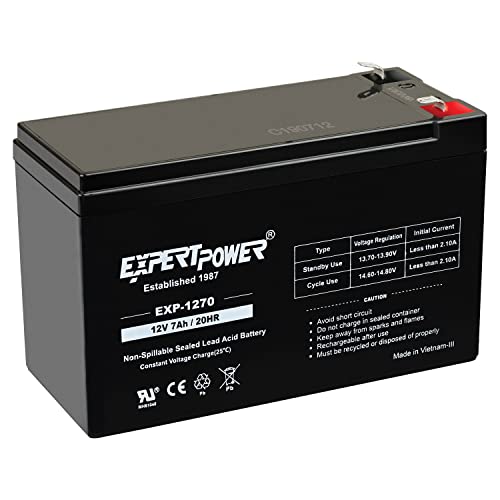
Safety is non-negotiable when dealing with electricity on the water. Always install an inline fuse between your battery and the sonar unit to prevent short circuits if water finds its way into your wiring. By taking the time to create a secure, fused power setup, you ensure that your electronics stay running all day without any risk to your gear or your safety.
Mastering your sonar system is a journey, not a destination, so give yourself time to learn the nuances of your chosen unit. Start by focusing on depth and bottom structure, and soon enough, you’ll be reading the screen like a pro. With the right gear and a little practice, you are well on your way to becoming a far more effective and successful kayak angler.
