6 Best Fishing Kayak Anchors For Current To Hold Steady
Tackle strong currents with confidence. We review the top 6 fishing kayak anchors designed for maximum stability and reliable holding power in moving water.
There is nothing more frustrating than hooking into a trophy fish only to have your kayak drift uncontrollably downstream and out of the strike zone. Mastering the art of anchoring in moving water is the difference between a successful day on the river and a tiring battle against the elements. These six anchor solutions will help you lock into position so you can focus entirely on your cast.
Disclosure: As an Amazon Associate, this site earns from qualifying purchases. Thank you!
Understanding Anchor Physics in Moving Water
When you drop an anchor in a river, you aren’t just fighting the weight of your kayak; you are fighting the kinetic energy of moving water. The anchor must dig deep enough into the substrate to create a "hold" that exceeds the force of the current pushing against your hull. If your anchor is too light or the angle is too steep, it will simply skip along the bottom like a stone.
The goal is to create a low angle of pull, which ensures the flukes of the anchor bite into the riverbed rather than pulling out. This is why the length of your line, known as "scope," is just as important as the weight of the anchor itself. In moving water, you need to manage your position carefully to ensure the kayak stays stable without spinning or taking on water over the stern.
YakAttack LeverLoc Anchor Trolley Essentials
Easily control your kayak's position with the YakAttack LeverLoc Anchor Trolley. This USA-made kit includes all necessary hardware for simple installation.
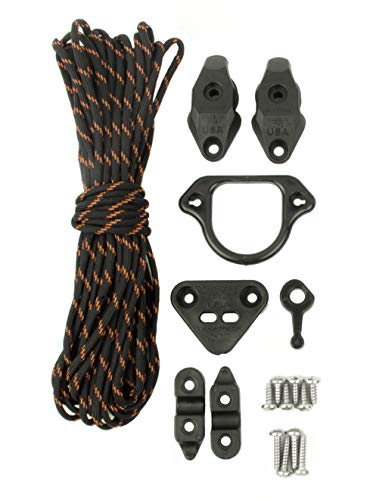

If you are serious about fishing in currents, an anchor trolley is not optional—it is a necessity. The YakAttack LeverLoc allows you to move your anchor point from the bow to the stern, giving you total control over how your kayak faces the current. This prevents the dangerous "side-on" position where a strong current could potentially tip your boat.
The LeverLoc system is incredibly smooth, featuring a gear-tooth design that locks your line securely in place once you find the perfect angle. I recommend this for anyone who wants to switch between fishing downstream and upstream without pulling their anchor. It is the gold standard for versatility and safety in moving water.
Richter Anchor 3.5lb: Best for Heavy Current

When the river is running fast and the bottom is rocky, a standard folding anchor often fails to find a grip. The Richter Anchor 3.5lb is designed specifically for these high-flow scenarios with a unique geometry that catches on rocks and debris instantly. It doesn’t rely on weight alone but rather on its ability to wedge itself into the riverbed.
This anchor is the perfect choice for anglers who frequent fast-moving rivers or tidal estuaries where the current is relentless. Its compact, non-folding design means it is always ready to drop, which is crucial when you need to stop quickly. If you are tired of your current anchor dragging during a bite, this is the upgrade you need.
Grapnel Folding Anchor: Versatile Gear Choice
The classic grapnel folding anchor is the most common choice for a reason: it is affordable and fits into almost any kayak hatch. These anchors feature four folding tines that provide a decent hold on sand, mud, and light gravel. They are excellent for casual anglers who fish a variety of waters, from slow-moving lakes to calm river bends.
However, be aware that they can get snagged permanently in heavy rock or root systems. If you fish mostly in rocky rivers, you might find yourself losing these frequently. For the recreational angler who wants a reliable, low-cost "do-it-all" anchor, the grapnel is a solid entry point that gets the job done.
YakGear Anchor Kit for Kayak Stability

The YakGear Anchor Kit is a comprehensive "all-in-one" solution for those who don’t want to piece together individual components. It typically includes the anchor, a length of high-quality rope, and a float, which is essential for quick-release scenarios. Having a dedicated kit ensures that your rope diameter matches your cleat and that your anchor weight is balanced for a standard kayak.
This kit is ideal for beginners or those who want a "grab-and-go" solution without the headache of researching individual parts. It provides everything you need to get set up safely on your first outing. It’s a reliable, no-nonsense choice that prioritizes convenience and basic functionality.
SandShark Pocket Anchor for Shallow Water
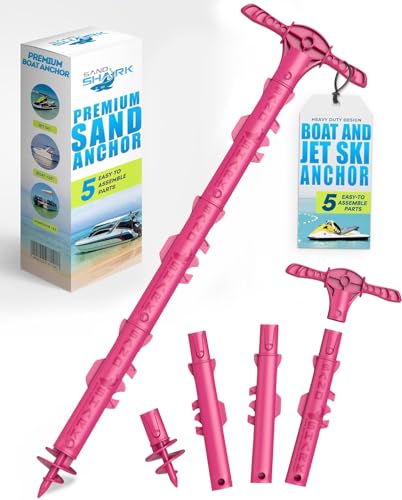
The SandShark is a departure from traditional fluke anchors, utilizing a "screw-in" mechanism that is perfect for sandy, shallow riverbanks. Instead of relying on the current to pull it into the bottom, you manually twist this into the sand. Once it is set, it provides an incredibly secure hold that won’t move even in moderate currents.

This is the ultimate tool for anglers who fish shallow flats or sandbars where traditional anchors just skip across the surface. It is lightweight, rust-proof, and remarkably easy to deploy. If you find yourself mostly fishing shallow, sandy-bottomed rivers, the SandShark is significantly more effective than any metal fluke anchor.
MTI Adventurewear Anchor Systems Explained
MTI Adventurewear focuses on the integration of safety and gear management, often providing systems that include high-visibility lines and quick-release mechanisms. When you are anchored in a current, the ability to release your anchor instantly is a critical safety feature. If your kayak begins to take on water or a large vessel approaches, you need to be able to cut or release your line in seconds.
Their systems are designed for the safety-conscious angler who understands that gear should never be a liability. I highly recommend their kits for those who prioritize emergency preparedness. They are built for the angler who wants to ensure they can get out of a bad situation as quickly as they got into it.
Choosing Rope Length and Chain Requirements
The rule of thumb for anchoring is a 7:1 scope ratio, meaning you should have seven feet of rope out for every one foot of water depth. In a fast current, this length allows the anchor to stay flat against the bottom, maximizing its holding power. If your rope is too short, the anchor will be pulled upward, causing it to lose its grip.
Adding a short length of galvanized chain between your anchor and your rope is a "pro move" that makes a massive difference. The chain adds weight to the bottom of the line, keeping the anchor flukes angled correctly against the riverbed. This small addition significantly increases the effectiveness of any anchor you choose.
Proper Deployment Techniques for Currents
Always deploy your anchor from the bow or stern, never from the side. If you drop your anchor while the current is hitting you broadside, the sudden tension can easily flip a narrow kayak. Slowly drift into your desired spot, drop the anchor, and pay out your line as you move backward with the current.
Once you have enough line out, tie it off securely to your trolley or cleat and let the current pull the kayak taut. Do not try to "force" the anchor into the ground by pulling on the line; let the natural force of the water set the flukes for you. Always keep a knife within arm’s reach in case you need to emergency-release the anchor line.
Safety Tips for Anchoring in River Systems
Never anchor in a high-traffic channel where you might be struck by a boat that cannot see your line. Be mindful of changing water levels; a river that is calm in the morning can rise rapidly due to upstream dam releases or rainfall, turning a safe spot into a dangerous one. Always check local river gauges before heading out.
Lastly, never anchor in a way that prevents you from escaping quickly. If you are fishing near rapids or low-head dams, do not anchor at all, as the risk of being pinned or swamped is too high. Your anchor is a tool for convenience and stability, but your situational awareness is your primary safety device.
Selecting the right anchor comes down to understanding your specific environment and the type of riverbed you frequent. By combining the right gear with proper deployment techniques, you can turn any stretch of moving water into a stable fishing platform. Stay safe, respect the current, and enjoy the peace that comes with being locked firmly onto your next big catch.