

6 Best Inflatable Kayak Anchors For Currents For Anglers
Secure your kayak in moving water with our top six anchor picks. Discover durable, compact options designed to keep anglers stable in challenging currents.
There is nothing more frustrating than hooking a trophy bass only to have a steady current drift your inflatable kayak directly into the brush. Anchoring in moving water requires a delicate balance of holding power and portability to ensure your vessel stays put without compromising its delicate skin. This guide breaks down the best gear to keep you locked in the strike zone regardless of the flow.
Disclosure: As an Amazon Associate, this site earns from qualifying purchases. Thank you!
Understanding Anchor Needs for Inflatable Kayaks
Inflatable kayaks present a unique challenge because they are lightweight and highly susceptible to wind and current. Unlike rigid hardshell boats, these kayaks have a larger surface area above the waterline, which acts like a sail. If your anchor isn’t suited to the specific bottom composition and current speed, you will find yourself constantly repositioning.
For anglers, the goal is "precision anchoring." You aren’t just trying to park the boat; you are trying to hold a specific casting angle over a drop-off or a weed line. Because inflatable material can be punctured, your anchoring system must prioritize smooth edges and low-profile designs to protect your investment.
Choosing the Right Anchor Weight for Currents
Many beginners make the mistake of thinking heavier is always better, but overkill can be detrimental to an inflatable kayak. A standard rule of thumb is to carry an anchor between 1.5 and 3 pounds for most river and lake conditions. If you go too heavy, you risk damaging the kayak’s hull during storage or deployment.
However, in strong currents, a 1.5-pound anchor may simply skip along the bottom. If you frequently fish rivers with a flow rate over 2 knots, you should lean toward the 3-pound range. Always remember that the holding power comes from the anchor’s design—how it bites into the substrate—not just its dead weight.
The Best Anchor Rope and Chain Considerations
The secret to a successful anchor set is the "scope," or the ratio of rope length to the depth of the water. In currents, you need a longer scope, typically 5:1 or 7:1, to ensure the pull remains horizontal rather than vertical. A vertical pull will lift the anchor right out of the bottom, causing you to drift.
Adding a short length of galvanized chain—about 3 to 5 feet—between your rope and the anchor is a game-changer. This weight keeps the shank of the anchor flat against the riverbed, forcing the flukes to dig in deeper. For an inflatable, ensure your chain is coated in vinyl or heavy-duty plastic to prevent it from abrading the kayak’s outer shell.
Mantus Marine 2.5lb Dinghy Anchor for Stability
The Mantus Dinghy Anchor is a masterclass in engineering, designed specifically to set quickly and hold firm in diverse bottoms. Its unique shape allows it to penetrate sand, mud, and grass with ease, making it the gold standard for anglers who switch between lakes and rivers.
Because it is designed to be disassembled, it is incredibly easy to store in a small dry bag or under a seat. If you prioritize reliability above all else and want a piece of gear that won’t fail when the current kicks up, this is your best bet. It’s an investment, but for the serious angler, it’s the only anchor that truly earns its keep.
Grapnel Folding Anchor Kit for Rocky Bottoms
Secure your small watercraft with this portable anchor kit. It includes a 3.5lb folding grapnel anchor, 25' line with snap hook, and marker buoy, all in a padded storage bag.


The classic four-fluke grapnel design is the workhorse of the kayak fishing world. When you are fishing rocky structures or submerged timber, these flukes act like hooks, grabbing onto crevices to hold your position. They are inexpensive, compact, and widely available.
However, be warned: if you drop a grapnel into a heavy rock pile, it can get stuck permanently. Use a "breakaway" rigging technique—attaching the rope to the crown of the anchor with a zip tie—so you can pull the anchor free if it snags. This is the perfect choice for the budget-conscious angler who needs a "do-it-all" solution for varied terrain.
SeaSense Micro Anchor for Quick Deployment
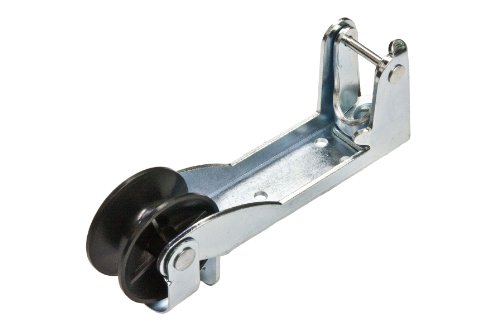
If you spend your days in shallow, slow-moving creeks or flats, the SeaSense Micro Anchor is your best friend. It is lightweight and incredibly easy to deploy, making it ideal for "stop-and-go" fishing. You can drop it and pull it up in seconds without a complex rope management system.
This anchor isn’t designed for deep, fast-moving rivers, so don’t expect it to hold in heavy rapids. If your fishing style involves drifting short distances and stopping to cast at specific pockets, the SeaSense is the most efficient tool for the job. It’s a specialized piece of kit for the tactical angler.
Airhead Kwik-Tek Folding Anchor for Currents
Secure your small boat, PWC, or canoe with this complete 5.5lb grapnel anchor system. It features a coated anchor with folding flukes, a 25ft marine-grade rope, and a padded storage case for convenience.

The Airhead Kwik-Tek is built with a focus on durability and ease of use in moderate currents. Its folding design makes it exceptionally compact, while the weighted flukes provide enough bite to keep an inflatable kayak steady in a decent flow.
I recommend this for anglers who want a "set it and forget it" anchor that fits easily into a kayak storage hatch. It is reliable, sturdy, and offers a great balance between weight and holding power. If you want a no-nonsense anchor that gets the job done without any fuss, this is a solid choice.
Extreme Max BoatTector Anchor for Anglers
The Extreme Max BoatTector is designed with the angler in mind, featuring a high-visibility coating that makes it easier to retrieve in murky water. Its construction is rugged, designed to withstand the wear and tear of being tossed in and out of a kayak repeatedly.
This anchor is best suited for those who fish in diverse environments and need a reliable, mid-weight option. It performs admirably in both mud and sand, providing a secure hold that lets you focus on your rod rather than your drift. It’s a dependable, high-quality piece of equipment that won’t let you down.
Shoreline Marine 3lb Grapnel for Versatility

The Shoreline Marine 3lb Grapnel is the heavy-hitter of the folding anchor world. The extra weight provides that necessary "oomph" to hold a larger, fully-loaded inflatable kayak in stronger currents. It is a robust piece of gear that feels substantial in the hand and performs consistently.
Because of the 3lb weight, this is best for anglers who have a bit more storage space and need extra security. It is not the lightest option, but it is certainly one of the most secure. If you are tired of dragging anchor in moderate currents, this is the upgrade you need.
Essential Safety Tips for Anchoring Kayaks
- Never anchor from the stern: Always attach your anchor line to the bow or use a trolley system to keep the kayak facing into the current. Anchoring from the stern can cause the kayak to take on water or flip if the current catches the back.
- Keep a knife handy: Always have a sharp knife or line cutter within reach of your seat. In an emergency, such as a snagged anchor that is pulling your kayak under, you must be able to cut the line instantly.
- Check your surroundings: Before dropping anchor, watch for boat traffic and changing weather conditions. A sudden shift in wind can change your kayak’s orientation, potentially tangling your anchor line with your fishing gear.
Anchoring an inflatable kayak is all about matching your gear to the specific flow of the water and the structure of the bottom. By selecting the right weight and using a proper anchor trolley, you can transform your fishing experience from a constant struggle against the drift into a stable, focused session. Choose your anchor wisely, prioritize your safety, and you’ll spend far more time catching fish and far less time fighting the current.
