6 Best Kayak Tie Down Straps For Transport For Road Trips
Secure your kayak with confidence. We review the 6 best tie-down straps for road trips, focusing on durability, ease of use, and keeping your gear safe.
There is nothing quite like the freedom of hitting the open road with your kayak secured on the roof, ready for the next hidden lake or coastal inlet. However, the peace of mind you feel on the highway depends entirely on the quality of your tie-down straps. Choosing the right gear is the single most important step in ensuring your vessel—and the drivers behind you—stay safe throughout your journey.
Disclosure: As an Amazon Associate, this site earns from qualifying purchases. Thank you!
Understanding Kayak Transport Safety Basics
Transporting a kayak involves more than just throwing a rope over the hull and hoping for the best. You are dealing with significant wind resistance and kinetic energy, especially at highway speeds. A properly secured kayak should not shift, slide, or vibrate, as constant friction can damage both your boat’s finish and your vehicle’s roof rack system.
The golden rule of transport is to create a "locked-in" system using both primary tie-downs and bow/stern lines. Your primary straps hold the kayak down against the rack, while the bow and stern lines prevent the boat from shifting forward during braking or backward during acceleration. Never rely on bungee cords for structural transport, as they lack the tension and static hold required to keep a kayak safe at speed.


Choosing Between Cam Straps and Ratchet Straps
When shopping for straps, you will quickly encounter the debate between cam buckles and ratchet mechanisms. Cam straps operate like a seatbelt buckle; you pull the webbing through, and the teeth bite down to hold the tension. They are generally safer for kayaks because they allow you to feel exactly how much pressure you are applying, which prevents the common mistake of crushing the hull.
Ratchet straps, while incredibly strong, are often overkill for recreational kayaks. It is far too easy to over-tighten a ratchet, leading to warped plastic or cracked fiberglass hulls. Unless you are transporting a heavy, rotomolded fishing kayak or a large canoe, stick to high-quality cam straps for the perfect balance of security and material preservation.
NRS Heavy Duty Straps: Best Overall Choice
If you want the industry gold standard, look no further than NRS Heavy Duty Straps. These are the straps you see on nearly every professional guide’s vehicle because they are virtually indestructible and incredibly simple to use. The cam buckle is encased in a protective rubber housing that prevents your car’s paint from getting dinged during the loading process.
These straps are the best choice for the frequent traveler who values reliability above all else. They don’t slip, the webbing is UV-resistant, and they hold tension perfectly even after years of exposure to salt and sun. If you want a "set it and forget it" solution that will last for a decade, these are the straps for you.
Thule Load Straps: Premium Secure Option
Thule is a name synonymous with high-end rack systems, and their load straps follow that same premium pedigree. These straps feature a unique buckle cover that protects your vehicle from scratches during the tightening process. The webbing is exceptionally thick, providing a confidence-inspiring grip that feels substantial in your hands.
These are ideal for the paddler who already uses a Thule rack system and wants a cohesive, high-performance setup. While they come at a higher price point than generic alternatives, the integration and longevity are top-tier. If you prioritize brand-matched gear and refined design, these are the premium choice for your rack.
Seattle Sports Cam Straps: Best Value Pick

Not everyone needs a professional-grade setup for occasional weekend trips to the local pond. Seattle Sports offers a fantastic cam strap that delivers reliable performance without the premium price tag. They feature a straightforward, no-nonsense buckle that holds firm and webbing that resists fraying under normal use.
These straps are the perfect entry point for beginners or those who only transport their kayaks a few times a year. You aren’t paying for fancy bells and whistles, just solid, functional hardware that gets the job done safely. If you are budget-conscious but refuse to sacrifice safety, these are your best bet.
Malone Auto Racks Straps: Best for Durability

Malone has built a reputation for creating gear that withstands the rigors of heavy, frequent use. Their tie-down straps are reinforced at the stitching points, which is usually the first place a strap fails after years of being pulled tight. The cam mechanism is heavy-duty and operates smoothly even when coated in sand or grit.
These straps are perfect for the serious paddler who lives near the coast or travels frequently to dusty, remote locations. The extra reinforcement provides peace of mind that your gear won’t let you down on a long-distance haul. If you are hard on your equipment and need something that can take a beating, go with Malone.
YakGear Utility Straps: Best for Versatility
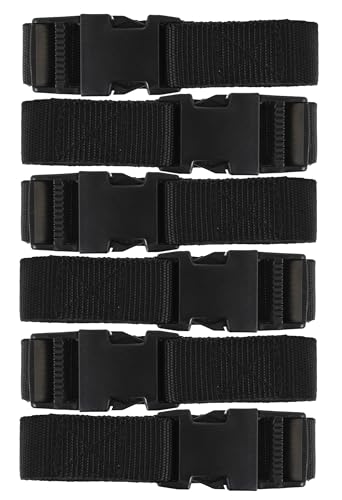
Sometimes you need a strap that does more than just secure a kayak; you need something that can lash down paddles, fishing rods, or extra gear inside the boat. YakGear utility straps are designed with this kind of versatility in mind. They are lightweight, easy to stow, and come in various lengths to suit different cargo needs.
These are an excellent secondary set to keep in your glovebox or kayak hatch. While they might not be your primary choice for securing a heavy kayak on a highway, they are indispensable for tidying up loose gear or securing items on a trailer. If you are a multi-sport adventurer, these are a highly versatile addition to your kit.
Rhino-Rack Tie Down Straps: Best for Stability
Rhino-Rack is known for engineering gear that handles extreme conditions, and their straps are no exception. They feature a unique grip pattern on the cam buckle that ensures the webbing stays locked tight, even on bumpy, unpaved roads. The result is a rock-solid connection between your kayak and the vehicle rack.
These are the ideal choice for adventurers who frequently drive on forest service roads or uneven terrain where vibration is a major factor. The stability they offer is unmatched, ensuring your boat stays exactly where you put it. If your destination requires a bit of off-roading to reach the water, choose Rhino-Rack.
Proper Techniques for Securing Your Kayak
The most expensive strap in the world won’t save you if it isn’t used correctly. Always ensure the cam buckle is positioned on the side of the kayak, not directly on top, to prevent the metal from damaging the hull. Twist the strap once before it goes over the kayak; this simple trick breaks up the airflow and prevents that annoying, high-pitched "humming" sound at highway speeds.
Check your tension after the first five miles of driving. Straps can settle and loosen slightly once you hit the road, and a quick re-tightening ensures everything is snug for the long haul. Remember that the goal is firm, consistent pressure—you should be able to press on the hull and see the car’s suspension move, not the kayak moving independently on the rack.
Essential Maintenance for Your Tie Down Gear
Even the best straps will degrade if you leave them sitting in a damp, dark shed or exposed to harsh sunlight for months. After every trip, rinse your straps with fresh water to remove salt, sand, and road grime that can act like sandpaper on the webbing. Store them in a cool, dry place, and keep them coiled or hung neatly to prevent tangles.
Periodically inspect the webbing for signs of fraying, fading, or cuts. If you see deep nicks or the stitching beginning to pull apart, replace the strap immediately; the cost of a new strap is pennies compared to the cost of a lost kayak. Treat your straps with care, and they will keep your gear safe for years to come.
Transporting your kayak is a skill that blends mechanical awareness with a commitment to safety. By selecting the right straps for your specific needs and mastering the art of the tie-down, you turn a stressful logistical hurdle into a seamless part of your adventure. Pack your gear with confidence, drive responsibly, and enjoy the water knowing your kayak is as secure as it can possibly be.