6 Best Kayak Repair Kits For Punctures for Adventurers
Don’t let a puncture ruin your trip. We review the 6 best kayak repair kits, focusing on durability, ease of use, and portability for every serious adventurer.
There is nothing quite like the serenity of a glassy lake until the sudden, unsettling hiss of escaping air reminds you that your vessel is only as durable as its hull. A puncture doesn’t have to end your adventure, provided you have the right tools tucked into your dry bag. Mastering the art of the quick fix ensures that you stay on the water longer and return home with your gear intact.
Disclosure: As an Amazon Associate, this site earns from qualifying purchases. Thank you!
Essential Gear for Kayak Puncture Repairs
When you are miles from the launch point, a basic repair kit is your best insurance policy. You don’t need a massive toolbox, but you do need items that handle specific materials, whether you are paddling a rugged polyethylene sit-on-top or a high-pressure inflatable.
At a minimum, your kit should include a high-quality adhesive, compatible patches, a scuffer or sandpaper for surface prep, and an alcohol wipe for cleaning. Having these items organized in a waterproof container is non-negotiable; if your repair kit is soggy or missing parts, it’s effectively useless.
NRS Inflatable Boat Repair Kit: Best Overall


If you paddle an inflatable, the NRS kit is the gold standard for a reason. It comes with a robust adhesive and high-quality material patches that match the durability of professional-grade rafts. It’s designed for those who don’t want to guess whether their patch will hold up against the pressure of a high-performance kayak.
This kit is the perfect companion for long-distance tourers who need a permanent, reliable fix rather than a temporary band-aid. It is slightly bulkier than a simple tape roll, but the peace of mind it provides is worth the extra room in your hatch. If you want a "do it once, do it right" solution, this is your go-to.
Tear-Aid Type B Kit: Best for PVC Kayaks
Quickly repair vinyl and vinyl-coated items with the Tear-Aid Type B patch kit. This easy-to-use, peel-and-stick patch creates an airtight and watertight seal on items like tents, pool liners, and air mattresses.
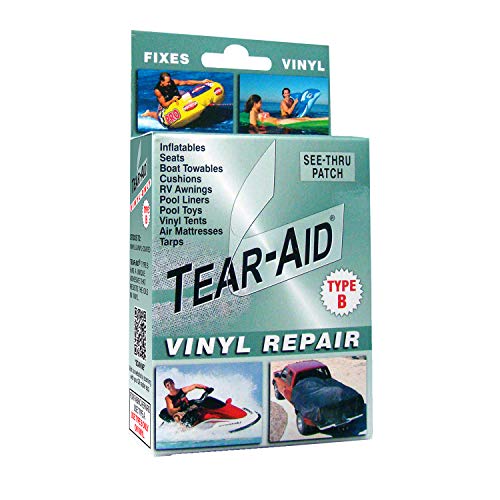
PVC kayaks are notorious for being difficult to bond, but Tear-Aid Type B is specifically formulated to handle the chemical composition of vinyl and PVC. It’s an incredibly stretchy, transparent patch that moves with the kayak, preventing the edges from peeling back when the boat flexes in choppy water.
I recommend this for paddlers who prioritize convenience without sacrificing strength. It’s essentially a "peel-and-stick" solution that bonds instantly, making it a lifesaver when you’re out on the water and don’t have time for a long curing process. It’s a must-have for any PVC boat owner’s emergency kit.
Aquaseal FD Adhesive: Best for Sealant Needs
Aquaseal FD is the industry workhorse for a reason—it’s a flexible, waterproof urethane adhesive that fills holes and seals seams like nothing else. Unlike rigid glues that crack under pressure, Aquaseal stays pliable, making it perfect for high-stress areas like the bow or keel.
While it requires a longer curing time—ideally overnight—it creates a nearly indestructible bond that often ends up being stronger than the surrounding material. Keep this in your kit if you’re planning an extended trip where you might need to perform a structural repair on a tear or a leaking seam.
Sea-Lect Designs Patch Kit: Best for Plastic

Rigid plastic kayaks don’t get punctures, but they do get cracks and deep gouges from rocky shorelines. The Sea-Lect Designs kit provides a specialized approach to repairing hard-shell hulls, using high-strength components that bond effectively to polyethylene.
This kit is ideal for the weekend warrior who encounters jagged rocks or submerged debris. It’s a specialized tool for a specific problem, so don’t try to use it on inflatables. If you paddle a hard-shell boat, having this on board is the difference between a minor setback and a ruined day.
PatchPro Vinyl Repair: Best for Inflatables

PatchPro is a straightforward, no-nonsense solution for small punctures on vinyl inflatables. Its primary strength lies in its ease of application and the clarity of the patch, which keeps your kayak looking clean even after a repair.
It’s best suited for smaller, incidental punctures where you need a quick, reliable seal. While it might not be the choice for a massive structural tear, it is perfect for the paddler who wants a reliable, quick fix for minor wear and tear. It’s a classic for a reason—it simply works.
Gear Aid Tenacious Tape: Best Quick Fix Tool
Think of Tenacious Tape as the duct tape of the kayaking world, but with significantly better adhesive properties and weather resistance. It’s not meant for deep structural repairs, but for stopping a leak in its tracks while you’re still on the water, it is unmatched.
I suggest keeping a roll wrapped around your water bottle or tucked into your life jacket pocket. It’s the ultimate "get home" tool that buys you time until you can perform a more permanent, shop-grade repair back on land. You should never leave the shore without it.
Assessing Puncture Depth and Hull Material
Before you start slapping on patches, you must identify the material and the nature of the damage. A small pinhole in a PVC inflatable requires a completely different approach than a stress crack in a rotomolded plastic hull.
- Inflatables: Check for air leakage using a soapy water spray; bubbles will pinpoint the exact location.
- Hard-shells: Look for "white-stress" marks around the puncture, which indicate the plastic has been stretched and weakened beyond the immediate hole.
- Seams vs. Flat Surfaces: Seams are under more tension and often require a wider, more reinforced patch than a flat area of the hull.
Step-by-Step Guide to Patching Your Kayak
First, ensure the area is completely dry and clean; any residual salt, sand, or oil will prevent the adhesive from bonding. Use an alcohol wipe to degrease the surface, as this is the most common reason repairs fail.
Next, scuff the area lightly with sandpaper to create a "tooth" for the glue to grab onto. Apply your adhesive or patch, ensuring there are no air bubbles trapped underneath. Finally, apply firm, even pressure for several minutes and allow the recommended curing time before re-inflating or putting the boat back in the water.
Maintenance Tips to Prevent Future Damage
The best repair is the one you never have to make. Regularly inspect your hull for thin spots or deep scratches, especially after a trip involving rocky riverbeds or oyster beds.
Store your kayak out of direct sunlight when not in use, as UV rays degrade both PVC and plastic over time, making them more brittle and prone to puncturing. Finally, always rinse your kayak with fresh water after a trip; salt and silt act like sandpaper, slowly grinding away at your hull’s protective finish.
Keeping your kayak in top shape is about being proactive rather than reactive. By carrying the right repair kit and performing routine maintenance, you ensure that your gear is always ready for the next horizon. Stay safe, stay prepared, and enjoy the water with the confidence that you can handle whatever the journey throws your way.