

6 Best Kayak Dry Bags For Electronics For River Trips
Protect your gear on the river. We review the 6 best kayak dry bags, focusing on waterproof reliability and durability to keep your electronics safe and dry.
Nothing ruins a perfect day on the river faster than the sickening realization that your phone or camera has taken an unplanned swim. Protecting your electronics requires moving beyond basic splash-proof pouches toward gear engineered for true submersion. Here is how to keep your tech bone-dry when the rapids get rowdy.
Disclosure: As an Amazon Associate, this site earns from qualifying purchases. Thank you!
Essential Features for River Kayak Dry Bags
When selecting a bag for electronics, the closure system is your first line of defense. Roll-top closures are standard, but they must be rolled at least three times to create a reliable seal. Look for bags with reinforced seams and high-denier fabrics that resist punctures from river rocks or sharp gear.
Transparency is another underrated feature for tech users. If you need to check a GPS or monitor battery life, a windowed bag saves you from opening the seal and exposing your device to humid air. Always prioritize bags with D-rings or lash points so you can secure the bag to your kayak’s deck rigging, ensuring it doesn’t float away during a capsize.
Factors for Protecting Electronics on Rivers
The biggest misconception about dry bags is that they are all created equal. A bag designed for a calm lake trip might fail during a high-intensity river run where waves and pressure are constant. You must account for the "submersion factor"—the deeper you go, the more pressure forces water through even tiny gaps in the seal.
Humidity and internal condensation are the silent killers of electronics. Even if a bag is perfectly sealed, temperature fluctuations can cause moisture to form inside. Always include a few desiccant packets inside your bag to absorb trapped moisture, and try to pack your electronics when the air is relatively dry to avoid sealing in damp river air.
Earth Pak Waterproof Dry Bag With Phone Case


The Earth Pak is the quintessential entry-level choice for paddlers who want a reliable, no-nonsense solution. It hits the sweet spot between affordability and performance, and the included waterproof phone case is a fantastic bonus for quick access to your camera.
This bag is ideal for recreational kayakers who stick to Class I or II rivers. While it isn’t designed for full-scale expeditions or white-water rafting, it handles splashes and minor dunks with ease. If you are a casual weekend warrior, this is the bag that will keep your gear safe without breaking the bank.
Sea to Summit Big River Dry Bag Durability
If you are worried about your bag getting dragged over gravel or caught on submerged branches, the Sea to Summit Big River is your best friend. Constructed from 420D nylon with a TPU lamination, this bag is exceptionally abrasion-resistant.
The oval base design is a clever touch, as it prevents the bag from rolling around on your kayak deck. This bag is perfect for paddlers who prioritize gear longevity and need a bag that can handle the rough-and-tumble nature of technical rivers. It is a workhorse that earns its place in your kit through sheer toughness.
NRS Bill’s Bag for Heavy Duty River Trips

When you are heading out for a multi-day river trip, the NRS Bill’s Bag is the gold standard. It features a massive capacity and a rugged, PVC-coated polyester construction that is virtually indestructible.

The unique StormStrip closure system ensures that even if you take a swim in heavy rapids, your electronics remain sealed tight. This is the bag for the serious expedition paddler who needs to trust their gear with their life—or at least with their expensive camera equipment. If you need maximum volume and maximum security, look no further.
Watershed Ocoee Waterproof Dry Bag Review
Keep your valuables dry during water activities with this durable, waterproof dry bag. It features adjustable straps for comfortable carrying and includes a free waterproof phone case.

The Watershed Ocoee stands apart because of its patented ZipDry seal, which mimics a heavy-duty freezer bag closure. Unlike roll-tops, this system is airtight and submersible, making it arguably the most secure option for high-stakes electronics.
Because it is a bit more expensive and requires a specific technique to close, it is best suited for experienced paddlers who know exactly what they are doing. If you are carrying a high-end DSLR or a delicate tablet, the peace of mind offered by the ZipDry seal is worth every penny. This is a specialized tool for those who refuse to compromise on protection.
SealLine Discovery Deck Dry Bag Features

The SealLine Discovery is designed specifically for the deck of a kayak, featuring a low-profile shape that won’t catch the wind. Its semi-translucent material is a major advantage, allowing you to see exactly where your items are without digging through the entire bag.
This bag is perfect for paddlers who need quick access to their phone or snacks while on the move. It is lightweight and easy to lash down, making it a great companion for day-tripping on winding rivers. It isn’t intended for deep-water submersion, but for keeping tech safe from spray and rain, it is top-tier.
Overboard Waterproof Dry Tube Reliability
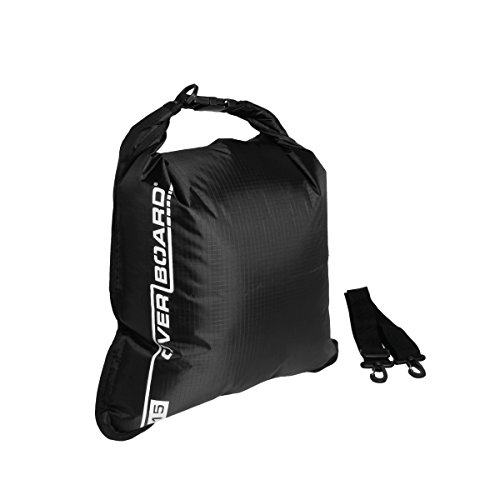
Overboard is famous for their "submersible" rating, and their classic dry tube lives up to the reputation. The design is simple, effective, and incredibly easy to clean after a muddy day on the river.
The reinforced base adds a layer of protection against sharp rocks, and the shoulder strap makes portaging between river sections a breeze. If you are a minimalist who wants a bag that just works every time you close it, the Overboard tube is a solid, reliable choice. It is a classic for a reason.
Tips for Packing Electronics in Dry Bags
- Double Bagging: Place your phone or camera in a smaller, zip-top waterproof pouch before putting it inside your dry bag.
- Remove Air: Squeeze as much air out of the bag as possible before sealing; this reduces the surface area for condensation.
- Padding: Wrap electronics in a fleece or a soft dry-wicking shirt to protect against impact if the bag hits a rock.
- Avoid Overstuffing: Never force a bag closed; if you can’t get three solid rolls, you have too much gear inside.
Testing Dry Bag Seals Before River Trips
Never assume a bag is waterproof just because it is new. Before your first trip of the season, fill your bag with crumpled newspaper, seal it properly, and submerge it in a bathtub or a calm pool for at least 30 minutes.
After the test, dry the exterior thoroughly before opening the seal. If the paper is bone-dry, your bag is ready for the river. If you find even a single damp spot, inspect the seal for debris or damage and re-test; never take a bag on the water until it passes this simple inspection.
Investing in a high-quality dry bag is an insurance policy for your most valuable gear. By choosing the right closure system and testing your equipment before you hit the water, you ensure that your focus stays on the river rather than on potential hardware failure. Stay safe, pack smart, and enjoy the ride.
