

6 Best Action Cameras For Surf Filming For Pro Results
Capture pro-level surf footage with our top 6 action camera picks. We analyze stabilization, durability, and image quality to help you choose the best gear.
Capturing the raw power of a breaking wave requires gear that can handle intense salt spray, heavy impact, and shifting light conditions. Whether you are aiming for a cinematic barrel shot or a crisp POV line, the right camera turns a fleeting moment into a professional-grade memory. This guide breaks down the top performers to ensure your next session is as sharp on screen as it is in the water.
Disclosure: As an Amazon Associate, this site earns from qualifying purchases. Thank you!
GoPro HERO12 Black: The Pro Surfing Standard
Capture stunning 5.3K HDR video and 27MP photos with exceptional detail, even in challenging lighting. Enjoy incredibly smooth footage thanks to Emmy Award-winning HyperSmooth 6.0 stabilization, all within a rugged, waterproof design.


The GoPro HERO12 Black remains the industry benchmark for a reason: its HyperSmooth 6.0 stabilization is virtually unmatched when you’re navigating choppy water. The camera’s ability to handle high-bitrate 5.3K video means you get the crisp detail necessary for professional color grading later.
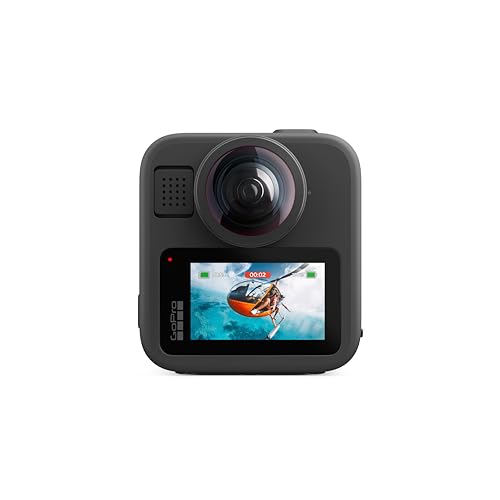
If you want a "set it and forget it" device that delivers reliable, broadcast-quality footage, this is your primary choice. Its rugged, waterproof design out of the box is perfect for those who don’t want the bulk of extra housings for casual sessions. It is the definitive camera for the surfer who values consistency above all else.
Insta360 Ace Pro: Best Low Light Surf Camera
When you’re chasing dawn patrol or sunset sessions, standard action cameras often struggle with grainy, underexposed footage. The Insta360 Ace Pro changes the game with a larger sensor co-engineered with Leica, allowing it to pull significantly more detail out of the shadows.
The flip-up screen is a massive advantage for framing your shots on the beach before you paddle out. If you frequently film in overcast conditions or during the golden hour, the Ace Pro’s low-light performance makes it the superior tool. It is the clear winner for creators who refuse to let the sun dictate their filming schedule.
DJI Osmo Action 4: Superior Dynamic Range
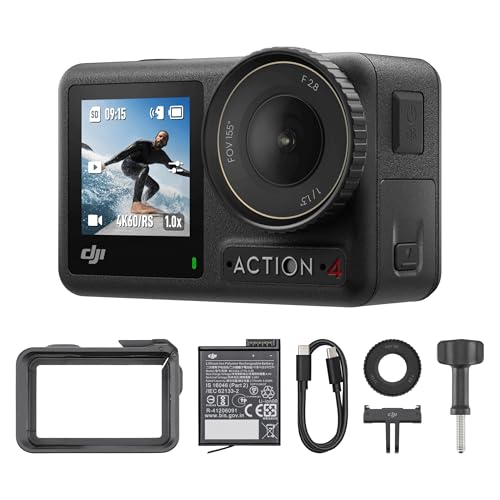
The DJI Osmo Action 4 stands out for its exceptional 1/1.3-inch sensor, which provides incredible dynamic range in high-contrast environments. When you’re staring directly into the sun while riding a wave, this camera manages to keep both the bright white water and the darker shadows of the wave face visible.
Its magnetic mounting system is also a game-changer, allowing you to swap between board mounts and mouth mounts in seconds. If you prioritize image fidelity and ease of use in bright, reflective ocean environments, this camera is built for your workflow. It is a robust, high-performance option for those who demand professional color depth.
GoPro HERO11 Black Mini: Low Profile Setup

Sometimes, the best camera is the one that doesn’t get in your way. The HERO11 Black Mini strips away the screens and extra bulk, leaving you with a lightweight, aerodynamic cube that is perfect for mouth mounts or low-profile board placements.
Because it lacks a rear display, it is designed for riders who know their angles and want to focus entirely on the wave. It offers the same high-end sensor as its larger siblings but in a package that won’t drag in the water or catch the wind. This is the ideal choice for performance surfers who prioritize hydrodynamics over on-the-fly settings adjustments.
Insta360 X3: Best 360 Degree Surf Footage

The Insta360 X3 offers a completely different perspective by capturing everything around you simultaneously. You don’t have to worry about aiming the camera perfectly; you simply frame the shot later in post-production using the "reframing" feature.
This is the ultimate tool for capturing the immersive feeling of a barrel or a massive drop that a standard POV camera might miss. While it requires a bit more editing time, the resulting "third-person" angles are unparalleled in the action sports industry. If you want to create viral-style, cinematic content that looks like it was filmed by a drone, this is your go-to.
Akaso Brave 8: Reliable Entry Level Choice
Not every surfer needs a top-tier professional rig to start documenting their progress. The Akaso Brave 8 provides a solid 4K experience at a fraction of the cost, making it the perfect entry point for those new to water cinematography.
While it may not match the extreme stabilization of the flagship models, it is more than capable of capturing clear, vibrant footage for social media or personal review. If you are just starting to experiment with filming your sessions and want to avoid a massive upfront investment, the Brave 8 is a dependable, cost-effective starting line. It provides the essential features you need to learn the ropes of surf photography.
Essential Surf Mounts for Stable Footage
The quality of your footage is often dictated more by your mount than the camera itself. A mouth mount is the gold standard for POV surf footage because it mimics your eye line and stays stable even during heavy wipeouts.
For board-mounted angles, use a high-quality adhesive mount placed near the tail for a "third-person" look or near the nose for a classic "barrel view." Always use a tether or floaty back-door as a backup; the ocean is unforgiving, and losing a camera to the depths is a mistake you only want to make once. A secure, redundant mounting system is the difference between a great clip and a lost piece of gear.
Choosing Waterproof Housings for Surf
While most modern action cameras are waterproof, a dedicated dive housing is a non-negotiable for serious surf filming. Saltwater is highly corrosive, and a housing protects your camera from fine sand, grit, and the high-pressure impact of a heavy wave.
Look for housings that include a flat lens port, which prevents the distortion often seen with curved domes when submerged. A housing also provides an extra layer of shock absorption, keeping the internal components safe during high-speed tumbles. Think of it as insurance for your most important piece of tech.
Optimizing Camera Settings for Waves
To get the best results, you need to lock your settings rather than relying on auto-mode. Keep your frame rate at 60fps or higher to allow for smooth slow-motion editing, which is essential for analyzing your technique or creating cinematic highlights.
Set your shutter speed to double your frame rate to achieve natural motion blur, which makes the water look fluid rather than jittery. Finally, use a "Flat" or "Log" color profile if you plan on color grading your footage later. These settings give you the widest range of data, ensuring your final edit looks professional and polished.
Water Safety and Equipment Maintenance
Never let the pursuit of a shot distract you from the inherent dangers of the ocean. Always be aware of your surroundings, your proximity to other surfers, and changing rip currents; your camera should never compromise your ability to swim or react to a situation.
After every session, rinse your camera and housing thoroughly in fresh water to prevent salt crystallization, which can damage seals and buttons. Store your gear in a cool, dry place away from direct sunlight to preserve the battery life and lens coatings. Consistent maintenance ensures your gear stays ready for the next swell.
The journey to perfect surf footage is a blend of technical preparation and environmental awareness. By choosing the right camera for your specific style and maintaining your gear with care, you can bring the intensity of the ocean to life for everyone to see. Stay safe, respect the lineup, and keep chasing those perfect waves.
