

6 Best Kayak Power Cables For Batteries For Anglers
Power your kayak electronics reliably. We review the 6 best kayak power cables for anglers, focusing on durability, waterproof ratings, and seamless connection.
Nothing ruins a day on the water faster than a dead fish finder or a flickering GPS unit when you’re miles from the launch. Investing in a robust power delivery system is the difference between professional-grade navigation and guessing your way back to the shore. These six cable solutions are designed to keep your gear humming through chop, rain, and long days on the water.
Disclosure: As an Amazon Associate, this site earns from qualifying purchases. Thank you!
Powering Your Kayak Electronics Setup Safely
When you start adding fish finders, lighting, and trolling motors to your kayak, you are essentially building a miniature electrical grid. This environment is inherently hostile due to constant moisture, salt spray, and the physical vibrations of paddling or pedaling. A loose connection or a frayed wire doesn’t just cause equipment failure; it can lead to short circuits that damage expensive electronics.
Safety begins with the understanding that water and electricity are a volatile mix. Always ensure your power path includes a dedicated fuse block or in-line fuse to protect your battery from surges. By keeping your wiring organized and elevated above the bilge area, you minimize the risk of corrosion and accidental shorts during a rough outing.
Yak-Power Plug-and-Play Power System
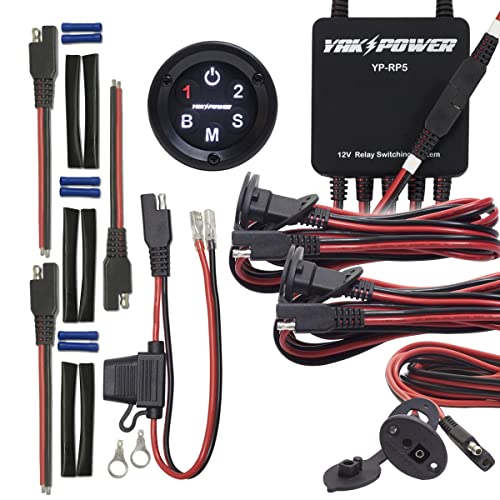

If you aren’t an electrician and prefer a "no-fuss" approach, the Yak-Power system is the gold standard for modular setups. It uses proprietary, weather-resistant connectors that allow you to snap your electronics into place without ever stripping a wire or dealing with crimp connectors. It is essentially a centralized hub that connects everything to your battery via a single master plug.
This system is perfect for anglers who swap out gear frequently or want to keep their kayak deck clean and uncluttered. While it is more expensive than DIY wiring, the peace of mind provided by its waterproof, foolproof design is worth every penny. If you want a professional-grade installation that you can assemble in an afternoon, this is your best bet.
NOCO GC018 12V Eyelet Terminal Cable

The NOCO GC018 is the ultimate "workhorse" cable for those who prefer a direct, reliable connection to their battery terminals. These heavy-duty eyelets bolt directly onto your battery posts, providing a secure foundation for your power delivery. The integrated fuse holder is a massive bonus, ensuring that your expensive fish finder is protected from the moment you plug it in.
This cable is ideal for the angler who uses a simple, dedicated battery box and doesn’t need a complex switching system. It is straightforward, incredibly durable, and fits almost any standard 12V battery on the market. If you want a no-nonsense, permanent connection that won’t wiggle loose during a choppy ride, stick with the NOCO.
Nocqua Pro Power Kit Wiring Solution
Nocqua has built a reputation on creating lightweight, waterproof battery solutions specifically for the kayak fishing community. Their wiring kit is designed to complement their lithium batteries, featuring high-quality, marine-grade cabling that resists the harsh effects of saltwater. It is a streamlined solution that focuses on efficiency and weight reduction.
This kit is the top choice for tournament anglers who need to shave every ounce of weight possible without sacrificing power. Because the components are specifically engineered to work together, you avoid the compatibility headaches common with mix-and-match systems. If you are running a high-end lithium setup, the Nocqua kit is the most cohesive way to distribute that power.
Hobie H-Rail Power Supply Cable Kit

If you are paddling a Hobie kayak, you already know the value of the H-Rail system for mounting accessories. The H-Rail power supply is a genius integration that allows you to route power directly through your mounting points. By running cables through the rail itself, you keep your deck completely clear of snag-prone wires.

This is the perfect solution for anglers who demand a clean, factory-finished look for their kayak. It is specifically designed for the Hobie ecosystem, meaning it integrates seamlessly with your existing hardware. If you value a sleek, snag-free cockpit above all else, the H-Rail power system is the only way to go.
Minn Kota Trolling Motor Power Cord

Trolling motors pull significantly more amperage than a standard fish finder, meaning your cable choice is critical. You cannot use thin-gauge wire for a motor; you need a high-capacity cord capable of handling the heat and current draw. The Minn Kota power cord is built to withstand these demands, ensuring you don’t experience voltage drops that lead to sluggish motor performance.
This cable is non-negotiable for anyone running a bow or stern-mounted motor. It features heavy-duty insulation and connectors that are built for the high-torque environment of trolling. If you are powering a motor, do not cut corners—buy the cable designed specifically to handle that level of electrical load.
Scotty 12V Power Plug and Receptacle

The Scotty 12V plug is a classic for a reason; it provides a secure, snap-in connection that stays put regardless of how hard you are paddling. It acts as a dedicated port on your kayak, allowing you to plug in your fish finder or lights whenever you hit the water and unplug them for storage. The rubber cap ensures that when the device is unplugged, the port remains protected from the elements.
This is the best option for the angler who wants a permanent, flush-mounted port on their hull. It is rugged, reliable, and incredibly easy to install with just a simple drill bit. If you want a clean, professional-looking power point that you can access in seconds, the Scotty plug is an essential upgrade.
Essential Cable Gauge and Safety Tips
- Understand Gauge: Lower gauge numbers mean thicker wire. Always use 16-gauge or 18-gauge wire for electronics; 10-gauge or thicker is mandatory for trolling motors.
- Fuse Everything: Every positive lead should have a fuse located as close to the battery as possible to prevent fire hazards.
- Avoid Voltage Drop: Keep your cable runs as short as possible. Long, thin wires lose power over distance, which can cause your electronics to reboot during high-draw moments.
Always inspect your connections for signs of green corrosion, which is a telltale sign of salt intrusion. If you see it, clean it immediately with a wire brush and apply a thin coat of dielectric grease to prevent it from returning. By following these simple rules, you ensure your system remains stable for years of heavy use.
Weatherproofing Your Kayak Connections
Even if a cable is labeled "water-resistant," you should treat every connection as if it will be submerged. Use heat-shrink tubing with adhesive lining on all your crimp connections to create a permanent, airtight seal. This prevents moisture from wicking up the wire and causing internal corrosion that you can’t even see.
Dielectric grease is your best friend in the fight against oxidation. Apply a small amount to the pins of every plug and connector before you snap them together. This creates a barrier against water while maintaining excellent electrical conductivity, ensuring your gear works perfectly every time you hit the water.
Maintenance for Long-Term Battery Health
Your power system is only as good as the battery powering it. Always store your batteries in a cool, dry place and ensure they are fully charged before and after every trip. Lithium batteries, in particular, should never be left in a state of deep discharge, as this can permanently damage their internal circuitry.
Periodically check the integrity of your cable jackets for any nicks or abrasions caused by sharp edges in your kayak’s hull. If you find a damaged section, replace the cable immediately rather than patching it with electrical tape. A proactive approach to maintenance ensures that you spend your time catching fish, not troubleshooting electrical gremlins.
Selecting the right power cables is a foundational step in building a reliable and safe kayak fishing rig. By prioritizing marine-grade materials and proper installation techniques, you eliminate the frustration of equipment failure before it starts. Choose your gear based on your specific power needs, keep your connections sealed, and enjoy the confidence that comes with a perfectly powered setup.
