6 Aqua Jogging Barbell Floats For Buoyancy for Rehab
Enhance your recovery with these 6 aqua jogging barbell floats. Discover how these tools improve buoyancy and support low-impact rehabilitation exercises.
Recovering from an injury often feels like a slow, frustrating crawl back to normalcy, but the water provides a unique sanctuary for healing. By utilizing the natural properties of buoyancy, you can regain your range of motion without the punishing impact of gravity on your joints. These aquatic tools turn the pool into your most effective rehabilitation clinic.
Disclosure: As an Amazon Associate, this site earns from qualifying purchases. Thank you!
Understanding Aqua Jogging for Injury Rehab
Aqua jogging mimics the mechanics of land-based running while completely removing the stress of ground impact. When you are suspended in deep water, your body weight is supported, which allows you to focus purely on gait and muscle activation. It is a gold-standard approach for athletes and patients dealing with stress fractures, tendonitis, or post-surgical recovery.
The primary goal here is to maintain cardiovascular conditioning and muscle memory without aggravating your injury. Because you are moving against the resistance of water, you are simultaneously building strength while you jog. It is the perfect bridge between total rest and a return to high-impact land training.
Benefits of Aquatic Therapy and Buoyancy
Buoyancy is essentially your best friend during rehab because it provides a supportive environment that reduces the load on your joints by up to 90%. When you are submerged to neck level, your body weight is significantly neutralized, allowing for pain-free movement. This makes it possible to exercise muscles that would otherwise be too painful to engage on dry land.
Beyond weight reduction, water provides uniform, omnidirectional resistance. Unlike lifting weights in a gym, where gravity only works in one direction, water resists your movement in every plane. This constant, gentle pressure helps stabilize joints and promotes balanced muscle development throughout the recovery process.
Choosing the Right Foam Density for Support
Not all foam is created equal, and the density of your barbell determines how much "float" you get during your workout. High-density EVA foam is the industry standard because it provides consistent buoyancy without degrading quickly in chlorinated water. If you are a larger individual or require significant assistance to stay upright, you need a high-density bell that won’t compress under pressure.
Think of foam density as your level of "assistance." Lower density options might feel lighter in the water, but they often struggle to provide the stability needed for deep-water suspension. Always look for closed-cell foam, as it won’t absorb water over time, ensuring your equipment stays lightweight and buoyant for years.
Hydro-Fit Aquatic Barbells for Resistance


If you are looking to bridge the gap between rehab and serious strength training, the Hydro-Fit bells are your go-to choice. These are engineered with a focus on high-drag resistance, making them ideal for someone who has progressed beyond the initial stages of injury and is ready to rebuild muscle mass. They feel substantial in the hand and provide a predictable, smooth resistance profile.
I recommend these for anyone who finds standard foam dumbbells too flimsy or lacking in "bite." Because they provide more surface area, you will feel the water pushing back against you immediately. If you want to turn your rehab session into a genuine workout, these are the ones to get.
AquaJogger DeltaBells for Joint Stability
The DeltaBell design is a masterclass in ergonomics, specifically shaped to minimize wrist strain during repetitive movements. When you are rehabbing a shoulder or elbow, the last thing you want is a piece of equipment that forces your joints into awkward angles. The triangular shape allows for a natural grip, which keeps your kinetic chain aligned from your fingers to your core.
These are the most "forgiving" bells on the market for people with lingering joint inflammation. They provide enough buoyancy for stabilization, but they don’t fight you when you’re trying to keep your form clean. If your rehab requires high repetitions with low impact, choose the DeltaBells for their superior comfort.
Speedo Aquatic Fitness Barbells for Comfort
Build upper body strength with this aquatic barbell. Its chlorine-resistant foam and padded grips provide comfortable flotation and resistance during water workouts.
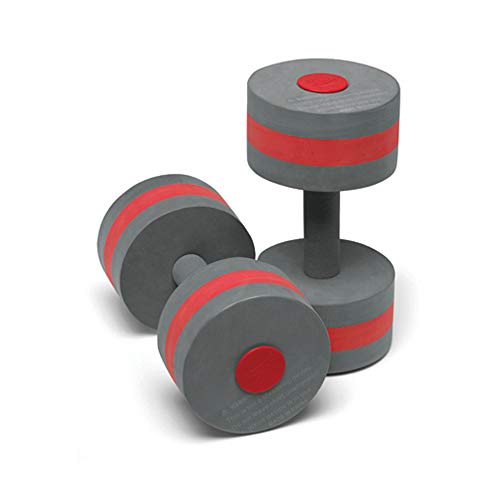
Speedo has mastered the art of the "entry-level" professional tool, and their fitness barbells are a staple for a reason. They feature a soft, non-abrasive foam coating that is gentle on the skin, which is a major plus if you are spending 45 minutes or more in the pool. They are lightweight and easy to maneuver, making them perfect for those just starting their aquatic therapy journey.
While they might not offer the extreme resistance of a heavy-duty bell, they are perfect for range-of-motion exercises. I suggest these for anyone who is currently in the early, sensitive stages of rehab and needs a tool that is easy to handle. They offer just enough buoyancy to keep you afloat without being bulky or cumbersome.
TYR Hydro-Resistance Bells for Durability
Enhance your aquatic workouts with these durable, variable resistance bells. The 3D design provides effective upper body isokinetic exercise, and the hi-impact polypropylene construction resists chlorine and UV damage.

TYR is known for building gear that survives the harsh environment of competitive swimming, and these bells are no exception. They are incredibly resistant to chlorine degradation and sun exposure, meaning they won’t crumble or peel after a few months of use. If you plan on doing daily rehab sessions for the long haul, the structural integrity of these bells makes them a smart investment.
The resistance they offer is balanced, making them a "jack-of-all-trades" for both cardio and strength work. They aren’t the cheapest option, but you are paying for longevity. If you’re tired of replacing cheap foam gear every season, these are the durable solution you need.
Kiefer Aquatic Barbell for Targeted Rehab

Kiefer has a long history in the aquatic space, and their barbells are designed with a very specific, no-nonsense utility in mind. These are often slightly smaller than the massive "super-buoyant" bells, which actually makes them better for targeted, controlled movements. If your physical therapist has prescribed specific arm rotations or lateral raises, the Kiefer design gives you better control over the movement path.
These are ideal for the patient who needs precision over raw power. Because they aren’t overly bulky, you won’t feel like you are fighting the equipment just to perform a simple exercise. If you prioritize form and controlled rehab over high-intensity resistance, Kiefer is the right brand for your kit.
Water Gear Foam Dumbbells for Core Strength

Water Gear’s foam dumbbells are surprisingly versatile for engaging the core, which is often the most neglected part of injury recovery. By using these to create instability in the water, you force your deep abdominal muscles to fire just to keep you upright. They are simple, effective, and do exactly what they claim to do without any unnecessary bells and whistles.
These are perfect for the "active recovery" phase where you are trying to stabilize your spine and pelvis. They are light enough that you can hold them in various positions, including overhead, to challenge your balance. If your rehab plan includes core stabilization, these are a cost-effective and highly functional addition to your pool bag.
Safety Tips for Effective Pool Workouts
- Always maintain a vertical posture: Keep your spine neutral and avoid leaning too far forward, which can put unnecessary strain on your lower back.
- Use a buoyancy belt: If you are doing deep-water jogging, a belt is essential to keep your head above water without you having to "tread" water manually.
- Start with short sessions: Even if you feel good, 20 minutes is plenty for your first few sessions; let your joints acclimate to the water resistance.
- Stay hydrated: It is easy to forget you are sweating in the pool, but aquatic exercise is physically demanding and requires proper fluid intake.
Aquatic therapy is a powerful tool that can turn a lengthy recovery into a proactive journey of healing. By selecting the right barbell for your specific stage of rehab, you gain the control and support necessary to regain your strength safely. Listen to your body, stay consistent with your movements, and let the water do the heavy lifting for you.