6 Lake Storm Warning Systems For Protection For Boaters
Stay safe on the water with these 6 lake storm warning systems. Learn how modern tech alerts boaters to severe weather, ensuring you reach the shore in time.
There is nothing quite like the glass-like surface of a lake at dawn, but seasoned boaters know that calm waters can transform into a dangerous tempest in a matter of minutes. Staying ahead of shifting weather patterns is the difference between a memorable day on the water and a life-threatening emergency. Equipping your vessel with the right storm warning technology is the smartest investment you can make for your crew’s safety.
Disclosure: As an Amazon Associate, this site earns from qualifying purchases. Thank you!
Understanding Lake Weather and Storm Risks
Lakes are notorious for localized weather phenomena that often go undetected by regional forecasts. Because inland water bodies heat and cool differently than the surrounding land, they frequently trigger "pop-up" thunderstorms, sudden squall lines, and rapid shifts in wind direction. These events can catch even the most experienced captain off guard if they are relying solely on distant news reports.
The primary risk on a lake isn’t just the rain; it is the rapid development of high-velocity winds and lightning. When a storm cell descends, the fetch—or the distance wind travels over open water—allows waves to build quickly and unpredictably, often leading to swamping or capsize. Understanding that your lake has its own microclimate is the first step toward true maritime situational awareness.
NOAA Weather Radio: The Gold Standard Tool
Stay informed with the Midland WR120B NOAA Emergency Radio. It provides localized weather alerts for over 60 hazards and features S.A.M.E. programming for county-specific warnings.
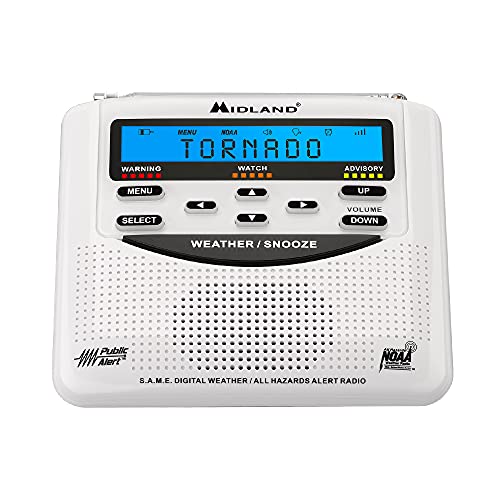

NOAA Weather Radio (NWR) remains the backbone of marine safety because it provides direct, uninterrupted access to National Weather Service alerts. Unlike cellular apps that rely on towers, these radios pull signals directly from the atmosphere, ensuring you get warnings even in remote "dead zones" where your phone is just a paperweight.
If you are a recreational boater, a dedicated NWR unit is a non-negotiable piece of safety gear. It offers specific area messaging encoding (SAME), which allows you to program the device to alert you only for warnings specific to your county or lake region. For anyone serious about safety, this is the most reliable, cost-effective lifeline available.
Garmin inReach Mini 2 Satellite Messenger
Stay connected anywhere with global satellite messaging and two-way SMS/email via your smartphone. Features include emergency SOS with GPS location and a dedicated SMS number for easy contact.
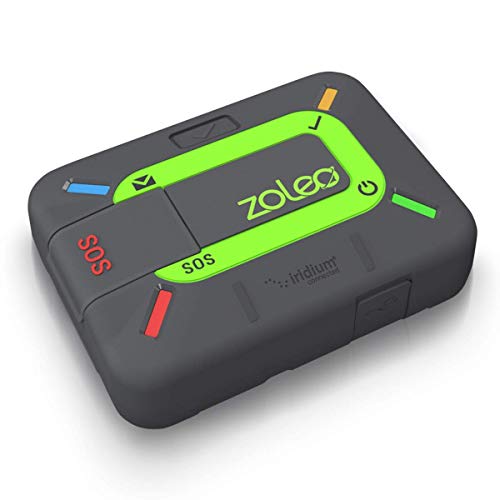
The Garmin inReach Mini 2 is a powerhouse for boaters who venture into areas where cellular service is non-existent. While it is primarily a communication device, its ability to pull down satellite-based weather forecasts on demand is a game-changer. You aren’t just getting generic alerts; you are getting localized data delivered anywhere on the planet.

This device is perfect for the serious weekend explorer or the long-distance lake cruiser who prioritizes redundant connectivity. It is compact, rugged, and features a battery life that puts smartphones to shame. If you frequently boat in remote, off-the-grid locations, the peace of mind offered by the inReach Mini 2 is worth every penny of the subscription cost.
SiriusXM Marine Weather Service Features

SiriusXM Marine is the premium choice for boaters who want a visual representation of the weather directly on their multifunction display (MFD). By overlaying radar, wind speed, wave height, and lightning strikes onto your chartplotter, you can actually see the storm’s path relative to your boat. It removes the guesswork from navigation during unstable conditions.
This service is best suited for larger vessels equipped with compatible marine electronics. It is a significant step up from basic audio alerts because it allows you to make informed decisions about your heading before you are ever in harm’s way. If you have the budget and the hardware, this is the gold standard for tactical storm avoidance.
Davis Instruments Vantage Pro2 Station
For those who keep their boat at a private dock or on a mooring, the Davis Instruments Vantage Pro2 is the ultimate tool for monitoring your local environment. This professional-grade weather station provides hyper-local data on barometric pressure, wind gusts, and humidity. Watching the barometric pressure trend on this console is the best way to predict a storm before the clouds even appear.
This station is ideal for the lakefront homeowner or the club member who wants to know exactly what the conditions are like at the marina before they even leave the house. It is a robust, high-accuracy system that outclasses consumer-grade weather apps. If you want to master the art of predicting local lake weather, this is the equipment that will get you there.
Midland WR120B Alert Radio for Boaters
The Midland WR120B is a classic, no-nonsense alert radio that serves as an excellent entry-level safety device. It is simple to operate, loud enough to be heard over the hum of a boat engine, and features an emergency power backup. It essentially acts as a "silent sentry" that wakes up only when an official warning is issued.
This radio is perfect for the casual boater who wants reliable, basic protection without the complexity of satellite subscriptions or high-end electronics. It is affordable, portable, and gets the job done when it matters most. For families or weekend hobbyists, the WR120B provides the essential safety buffer every boat should have.
Icom M510 AIS Marine Radio Capabilities

The Icom M510 is more than just a VHF radio; it is a sophisticated communication hub that integrates AIS (Automatic Identification System) to help you navigate around other vessels and hazards. While its primary role is communication, its integration with weather alert functions ensures that you are always in the loop regarding marine hazards. It is a professional-grade piece of hardware that keeps you connected to the Coast Guard and local authorities.
This is the right choice for the serious boater who demands high-end reliability and multi-functionality. It is built to withstand the harsh marine environment, ensuring that when you need to call for help or receive a weather update, the system is ready. If you are upgrading your helm, the M510 is a top-tier choice for safety-conscious captains.
Ambient Weather WS-2902 Smart Station
Track your home weather with the Ambient Weather WS-2902. This WiFi-enabled station measures wind, rain, temperature, and more, sending data to your smart home via IFTTT, Alexa, and Google Home.
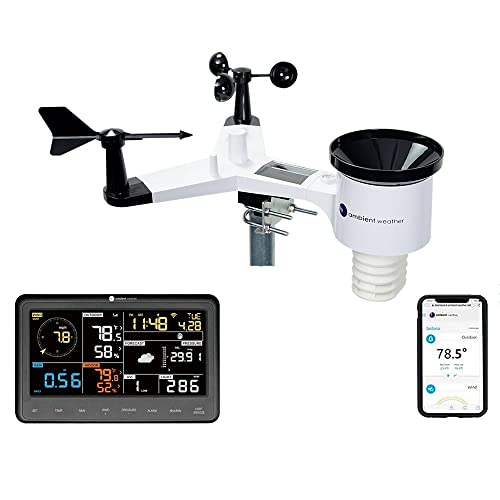
The Ambient Weather WS-2902 is a modern, internet-connected weather station that offers a fantastic balance of features and user-friendly design. It pushes real-time data to your smartphone, allowing you to monitor your lake’s conditions from anywhere. Its ability to integrate with smart home platforms makes it a versatile tool for both the boater and the property owner.
This system is perfect for those who love data and want to keep a close eye on their environment through a modern interface. It is easy to set up and provides a wealth of information that goes far beyond simple storm warnings. If you want a stylish, connected, and highly functional weather monitoring solution, the WS-2902 is a stellar pick.
Interpreting Local Lake Storm Warnings
Interpreting weather alerts requires more than just listening; it requires context. A "Severe Thunderstorm Warning" on a small, narrow lake is significantly more dangerous than the same warning on a massive, open body of water due to the lack of escape routes. Always prioritize the direction of the storm, as most systems move from west to east, and position your boat accordingly.
Remember that a "Watch" means the ingredients for a storm are present, while a "Warning" means a storm is imminent or occurring. Never wait for the rain to start before taking action. If a warning is issued for your area, the safest place to be is already tied down at the dock or safely off the water.
Essential Safety Protocols for Boaters
When a storm warning is issued, your priority must shift immediately to the safety of your passengers. Ensure everyone is wearing a life jacket before the conditions deteriorate, as the time to put one on is before the boat starts rocking. Secure all loose gear on deck, as high winds can turn cushions, coolers, and fishing rods into dangerous projectiles.
If you are caught on the water, keep your bow pointed into the waves at a 45-degree angle to maintain stability and prevent swamping. Avoid the center of the lake, where wave action is most intense, and head for the nearest protected cove or shoreline. Ultimately, the best safety protocol is to check your weather systems before you push off the dock and have the courage to cancel the trip if the forecast is uncertain.
Investing in reliable weather monitoring technology is the most responsible step you can take as a boat owner. By combining high-quality hardware with a proactive safety mindset, you ensure that your time on the water remains a source of joy rather than a source of danger. Stay informed, stay prepared, and always respect the power of the lake.