6 Best Repellent Sprays For Sandy Environments For Hikers
Tackle dunes and trails with our top 6 repellent sprays. These picks offer reliable protection against pests in sandy terrain, keeping your hike itch-free.
There is nothing quite like the feeling of sand between your toes until the relentless biting of sand flies and ticks turns your dream hike into an itchy nightmare. Protecting yourself in these unique environments requires more than just a standard bottle of bug spray; it demands a tactical approach to gear and chemical defense. This guide will help you navigate the best repellents to keep those pests at bay so you can focus on the horizon rather than your skin.
Disclosure: As an Amazon Associate, this site earns from qualifying purchases. Thank you!
Understanding Sand Fly and Tick Risks on Trails
Sandy trails near coastal dunes or inland lakes create the perfect breeding ground for sand flies, also known as "no-see-ums," and various tick species. Unlike mosquitoes, which often buzz before they bite, sand flies are stealthy, leaving behind painful, itchy welts that can last for weeks. Ticks, meanwhile, favor the tall dune grasses and brush that often border sandy paths, waiting for a passing host.
The primary challenge in these environments is the combination of high UV exposure, wind, and moisture, which can break down traditional repellents faster than in a forest setting. You cannot rely on a single defensive layer when traversing these areas. Understanding that these pests thrive in specific micro-climates—usually where the vegetation meets the sand—is the first step toward effective prevention.
Sawyer Products Premium Permethrin for Clothing


If you are serious about tick protection, you must stop treating your skin and start treating your gear. Sawyer Permethrin is not a repellent to be sprayed on your body; it is a contact insecticide designed specifically for clothing, boots, and tents. When a tick touches fabric treated with this, the chemical disrupts its nervous system, effectively neutralizing the threat before it ever reaches your skin.
This is the gold standard for long-distance hikers who spend hours walking through tall dune grasses where ticks congregate. Because it bonds to fabric fibers and remains effective through several wash cycles, it provides a "set it and forget it" layer of defense. If you are hiking in high-risk tick zones, this is non-negotiable gear; it is the most reliable way to create a chemical barrier between you and Lyme-carrying pests.
Repel 100 Insect Repellent for Harsh Conditions
Repel mosquitoes, ticks, and other biting insects for up to 10 hours with this powerful 98.11% DEET formula. The convenient pump spray is perfect for travel and provides reliable protection in heavily infested conditions.
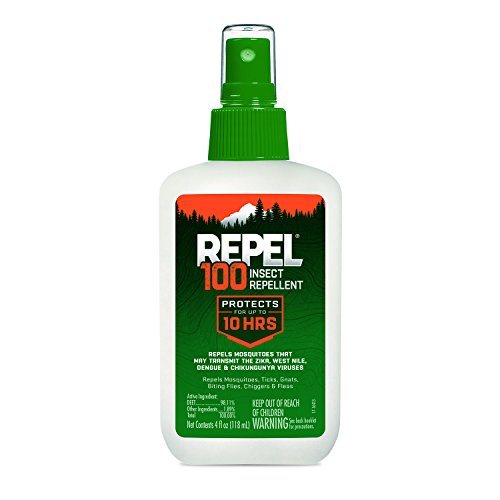
When you are facing a swarm of sand flies in the height of summer, you need the heavy artillery. Repel 100 contains 98% DEET, making it the most potent concentration available for those who refuse to let insects ruin their day. It is designed for extreme conditions where lower-concentration sprays simply evaporate or fail to deter aggressive biting flies.
This product is strictly for the hiker who prioritizes function over comfort. Because it is highly concentrated, it can feel oily on the skin and may damage synthetic fabrics or plastics if you aren’t careful. Use this only when the bug pressure is extreme and you need a high-performance solution that will hold up against sweat and high humidity.
Picaridin-Based Natrapel for Sensitive Skin

If you find DEET too harsh or dislike its strong chemical odor, Natrapel is your best alternative. It utilizes Picaridin, a synthetic compound inspired by a natural repellent found in pepper plants, which is incredibly effective against flies and ticks without the greasy residue. It is a fantastic choice for hikers who want a high-performance repellent that won’t ruin their expensive moisture-wicking gear.
I recommend Natrapel for those who prefer a scent-free experience and have sensitive skin that reacts poorly to stronger chemicals. It provides long-lasting protection that mimics the efficacy of DEET but feels significantly lighter on the body. If you want a reliable, modern solution that won’t leave your skin feeling like you’ve dipped it in plastic, this is the product to pack.
Ben’s 30% DEET Formula for Maximum Protection

Ben’s 30% DEET strikes the perfect balance between professional-grade efficacy and everyday wearability. While 100% DEET can be overkill for a casual afternoon hike, 30% is the "sweet spot" that provides hours of protection against the most persistent sand flies. It is a workhorse formula that remains stable even when you are sweating profusely under the coastal sun.
This is the ideal choice for the average hiker who needs a reliable, proven repellent that won’t let them down during a full day on the trail. It is less likely to damage your gear than higher concentrations while still offering enough punch to keep the bugs at a distance. If you want a dependable, no-nonsense repellent that does exactly what it says on the bottle, Ben’s is your go-to.
Avon Skin So Soft Bug Guard for Beach Hikers
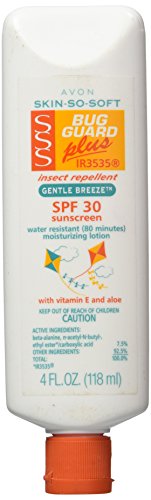
Many hikers are surprised to learn that this classic beauty product is actually a highly effective EPA-registered repellent. The Picaridin-based version of the Bug Guard is specifically formulated to be gentle while providing a solid barrier against sand flies and gnats. It is a popular choice for those who want a repellent that smells pleasant and leaves the skin feeling soft rather than sticky.
This is the best option for hikers who are transitioning from a morning on the trails to an afternoon relaxing on the sand. It is lightweight, non-greasy, and doubles as a moisturizer, which is a huge plus when you are dealing with the drying effects of salt air and wind. If you want a dual-purpose product that keeps you smelling fresh while keeping the bugs away, this is a top-tier selection.
Ranger Ready Picaridin Spray for Sand Gnats

Ranger Ready has gained a cult following among outdoor enthusiasts for its sophisticated, non-greasy Picaridin formula. It is particularly effective against sand gnats and flies, which are notoriously difficult to deter once they find a target. The fine mist application ensures even coverage, which is critical when you are trying to prevent those tiny, persistent bites.
The standout feature here is the comfort factor; it dries quickly and doesn’t leave that "bug spray" film on your skin. If you are the type of hiker who hates the sensation of repellent but needs serious protection, Ranger Ready is the premium choice. It is an investment in comfort that pays off the moment you step into a cloud of gnats and realize you are completely protected.
Proper Application Techniques for Sandy Terrain
Applying repellent in a sandy environment is a tactical operation. Always apply your spray before you reach the trailhead and away from the wind to ensure you are coating your skin, not the dunes. Focus your application on the "hot zones"—your ankles, the back of your knees, and your waistband—where sand flies and ticks are most likely to crawl onto your skin.
Do not forget to apply a light layer over your socks and the bottom of your pant legs. Sand flies are notorious for biting just above the sock line, so creating an overlapping barrier between your clothing and your skin is vital. If you are using a spray, rub it in thoroughly to ensure there are no missed spots, as these pests are experts at finding the one square inch of skin you left unprotected.
Gear Maintenance and Sand-Resistant Clothing
Your clothing acts as your first line of defense in sandy terrain. Opt for tightly woven, synthetic fabrics that are difficult for sand flies to pierce and ticks to latch onto. Long sleeves and pants are essential, even if it feels warm, and tucking your pants into your socks is the single most effective way to prevent ticks from migrating up your legs.
After your hike, treat your gear with the same care you give your skin. Shake out your boots and clothing outside before bringing them into your vehicle or home to ensure you aren’t carrying stowaway ticks inside. Regularly washing your gear in hot water and drying it on high heat will help kill any lingering pests that might have hitched a ride.
Safety Tips for Avoiding Bites Near Waterways
Waterways and coastal areas are high-traffic zones for insects, especially during the dawn and dusk hours. If possible, plan your hikes for the middle of the day when the wind is strongest and the sun is at its peak, as sand flies are much less active in bright, breezy conditions. Avoid lingering in marshy or stagnant areas where insect populations are densest.
Always carry a small "bug kit" in your pack containing your repellent, a tick removal tool, and an anti-itch balm for emergencies. If you notice a high concentration of bites, do not hesitate to turn back or change your route. Your goal is to enjoy the natural beauty of the environment, and sometimes the best defense is simply knowing when to avoid a high-risk zone.
Navigating sandy trails doesn’t have to be a battle against the local insect population if you arrive prepared with the right tools. By choosing the right repellent for your specific needs and maintaining a smart approach to your gear, you can keep your focus on the water and the scenery. Stay vigilant, keep your barriers tight, and enjoy the great outdoors with confidence.