6 Best Hot Tub Frames For Hot Tub Repair For DIY Pros
Repairing your hot tub? Discover the 6 best DIY-friendly frames that offer durability, easy installation, and structural integrity for your restoration project.
Nothing ruins a relaxing evening soak faster than noticing your hot tub cabinet sagging or the base frame starting to buckle under the weight of hundreds of gallons of water. Repairing the structural skeleton of your spa is a significant undertaking, but with the right materials, you can restore its integrity and extend its lifespan by years. This guide breaks down the best framing solutions to help you tackle that repair with confidence and precision.
Disclosure: As an Amazon Associate, this site earns from qualifying purchases. Thank you!
Assessing Structural Damage to Your Hot Tub Frame
Before you start tearing off side panels, you need to identify exactly where the failure is occurring. Often, what looks like a frame issue is actually a sinking foundation or a localized rot point caused by a slow, undetected leak in a plumbing union. Use a level to check for shifts and poke at suspect wood with a screwdriver; if it sinks in easily, you’re dealing with rot.
Don’t just patch the symptom—investigate the cause. If the frame is sagging, it’s usually because the original support blocks have settled or the wood has lost its structural rigidity due to constant moisture exposure. Understanding the scope of the damage determines whether you need a minor reinforcement or a full skeletal rebuild.
Pressure-Treated Lumber: The Reliable DIY Standard


Pressure-treated (PT) lumber is the undisputed workhorse for hot tub repairs because it is affordable, widely available, and chemically treated to resist fungal decay and termites. It handles the immense weight of a full tub better than almost any other DIY-friendly material, making it the go-to choice for those rebuilding a base frame from scratch.
However, you must be careful to use "ground contact" rated lumber, as standard PT wood won’t hold up in the perpetually damp environment under a spa. If you are comfortable with basic carpentry tools like a miter saw and a drill, this is your most practical and cost-effective path. It is the perfect choice for the DIYer who wants a sturdy, no-nonsense repair that will last for years.
Galvanized Steel Tubing for Heavy-Duty Support

If you are dealing with a larger, high-end spa or a custom installation where wood just won’t cut it, galvanized steel tubing provides unmatched strength-to-weight ratios. Steel is immune to the rot that eventually claims even the best-treated wood, making it a "one-and-done" solution for structural longevity.
Be aware that working with steel requires more specialized equipment, such as a metal-cutting saw or an angle grinder, and some basic welding or mechanical fastening skills. This material is ideal for the experienced DIYer who wants to ensure their frame never sags again. If you have the tools and the patience, steel is the superior choice for permanent, heavy-duty structural reinforcement.
Aluminum Framing Kits for Rust-Resistant Repairs
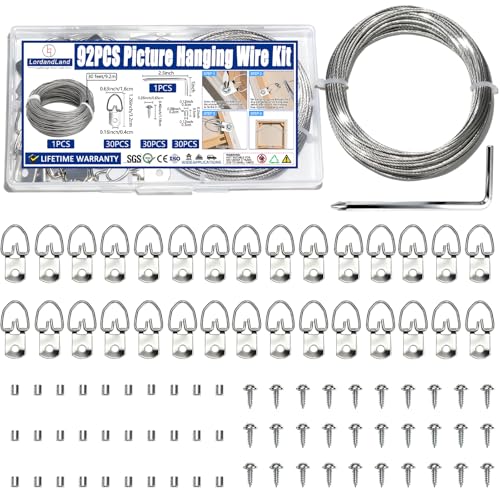
Aluminum framing kits are a fantastic middle ground for those who want the durability of metal without the extreme weight or rusting concerns of steel. These systems often come as modular kits, which simplifies the assembly process significantly for someone who isn’t a master carpenter.
Because aluminum is lightweight and corrosion-resistant, it handles the humid, chemical-rich air inside a hot tub cabinet remarkably well. This is the best option for the DIYer who values ease of installation and a clean, modern aesthetic. If you want a lightweight, professional-grade frame that won’t require a welding torch, aluminum is your best bet.
Composite Decking Boards for Durable Base Frames

While often used for the exterior of the tub, high-density composite boards can serve as excellent structural members for base runners. Unlike wood, composite materials are impervious to water absorption, meaning they won’t swell, warp, or rot even if they sit in a puddle for years.
They are incredibly easy to work with using standard woodworking tools, but they lack the sheer load-bearing stiffness of solid lumber. I recommend using them as a moisture-resistant "cradle" for your main support beams rather than as the primary load-bearing joists. For the DIYer looking for a rot-proof base foundation that is easy to cut and shape, composite boards are an excellent secondary material.
PVC Structural Pipe for Lightweight Tubing Fixes

PVC structural pipe—not to be confused with standard plumbing schedule 40—is a niche but effective solution for small, non-load-bearing repairs. It is incredibly easy to cut and assemble with simple fittings, making it perfect for bracing or creating internal equipment mounts.
It is completely waterproof and won’t corrode, but it should never be used as the primary support for the weight of the water. Use this for auxiliary tasks like reinforcing cabinet walls or creating racks for pumps and heaters. If you need a lightweight, waterproof way to organize internal components, this is the most user-friendly material available.
Cedar Wood Beams for Natural Moisture Resistance

Cedar is the premium choice for those who prefer natural materials and want a frame that smells great and resists moisture decay without harsh chemical treatments. It is naturally oily and dense, which makes it far more resistant to rot than standard pine or fir.
Because it is a softer wood, you must ensure your dimensions are substantial enough to carry the weight of your specific spa model. It is more expensive than pressure-treated lumber, but it offers a high-end finish that looks beautiful if your hot tub cabinet has removable panels. If you prioritize natural materials and don’t mind the extra cost, cedar is a classic, high-performance choice.
Measuring Your Hot Tub Foundation for Precision
Before buying a single board, you must measure your foundation with absolute precision. Even a quarter-inch variance can cause the tub to sit unevenly, which puts undue stress on the acrylic shell and can lead to cracks over time. Use a long level to ensure the entire footprint is perfectly flat.
Don’t just measure the outer dimensions; measure the distance between existing support points to ensure your new frame matches the manufacturer’s load-bearing requirements. If your foundation is cracked or uneven, no amount of framing will save your tub. Always prioritize a level, solid base before reinforcing the frame itself.
Installing Reinforcement Brackets for Stability
The strength of your frame is only as good as its connections. Use heavy-duty, galvanized or stainless steel corner brackets and structural screws to tie your frame pieces together. In a high-vibration environment like a hot tub, standard nails will eventually work themselves loose.
Always pre-drill your holes to prevent wood splitting, especially when working near the ends of your beams. By using high-quality fasteners, you ensure that the entire frame acts as a single, unified structure that can handle the shifting weight of the water. This is the step where most DIYers cut corners, but it is the most critical for long-term stability.
Sealing Your New Frame Against Water Exposure
Even with rot-resistant materials, a final layer of protection goes a long way. Apply a high-quality, water-repellent sealant or wood preservative to any cut ends of your lumber, as these are the most vulnerable points for water intrusion.
Check your seals annually when you drain and clean your tub for the season. A little bit of maintenance during your routine water changes will keep your new frame pristine for years to come. By sealing the wood, you are essentially buying insurance against the very moisture that caused your initial repair needs.
Repairing your hot tub frame is a rewarding project that transforms a failing appliance back into a reliable sanctuary. By choosing the right material for your skill set—whether it’s the rugged reliability of pressure-treated lumber or the modern convenience of aluminum kits—you can guarantee a stable, long-lasting setup. Take your time with the measurements, secure your connections, and you’ll be back to enjoying your soak with total peace of mind.