

6 Best Pool Pump Housings For Durability To Stop Noise
Discover the 6 best pool pump housings built for durability. Learn how these top-rated enclosures effectively silence noise while protecting your equipment.
Nothing ruins a perfect afternoon poolside quite like the relentless, mechanical drone of a pool pump vibrating against a concrete pad. Investing in a quality housing isn’t just about preserving your peace of mind; it’s about extending the life of your equipment by shielding it from the elements. Let’s look at the best ways to silence that hum and keep your pump running smoothly for years to come.
Disclosure: As an Amazon Associate, this site earns from qualifying purchases. Thank you!
Why Pool Pump Housings Are Essential for Noise
Pool pumps are workhorses, but their constant vibration creates structural noise that travels through decks and patio foundations. By installing a housing, you create a physical barrier that traps sound waves before they can bounce off your home’s exterior walls or travel through the ground. It is the single most effective way to turn a loud, industrial-sounding backyard into a serene oasis.
Beyond the auditory benefits, these housings serve as a vital protective layer for your motor. Sun exposure, heavy rain, and debris can degrade pump seals and electrical connections over time. A well-designed enclosure keeps the equipment clean, dry, and cool, which significantly lowers the risk of premature motor failure and costly repairs.
Understanding Sound Dampening for Pool Equipment
Sound dampening works by utilizing materials that either block sound or absorb it. Heavy, dense materials like solid wood or high-density plastic block the transmission of noise, while internal liners made of acoustic foam soak up the vibrations generated by the pump motor. For the best results, you need a combination of both mass and absorption.
Keep in mind that you cannot completely seal a pump, as it requires constant airflow to prevent overheating. The trick is to design or buy an enclosure that uses baffled vents—these allow air to circulate freely while forcing sound waves to bounce off multiple surfaces before escaping. This "tortuous path" design is the secret weapon for truly quiet backyard environments.
Factors to Consider Before Buying a Pump Housing
Before you pull the trigger on a purchase, you must measure your equipment footprint with precision. Many homeowners forget to account for the plumbing pipes and valves extending from the pump, which often require extra clearance. Always leave at least 6 to 12 inches of space around the unit to ensure adequate ventilation and easy access for maintenance tasks like cleaning the filter basket.
Material durability is another non-negotiable factor. If you live in a coastal area, salt air will corrode metal housings rapidly, making UV-stabilized resin or pressure-treated wood much smarter choices. Also, consider how you will access the pump; if the housing is too cumbersome to open, you will inevitably skip routine maintenance, which is a recipe for disaster.
- Internal Dimensions: Measure the pump, motor, and all protruding pipes.
- Ventilation: Ensure the design includes intake and exhaust vents.
- Accessibility: Look for removable panels or hinged lids for easy servicing.
- Climate Suitability: Choose materials that withstand your specific local weather patterns.
Yard Guard Pool Pump Cover: Best Overall Choice
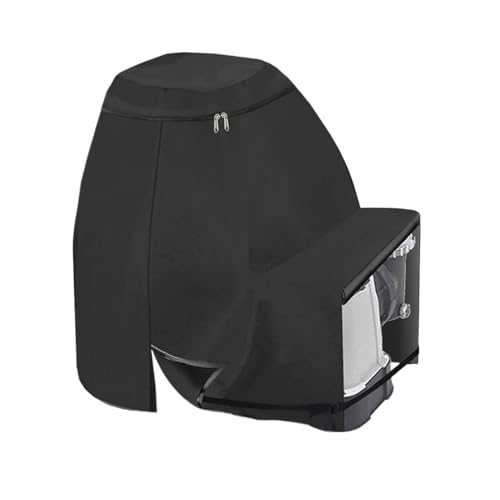

The Yard Guard is the gold standard for homeowners who want a balance of affordability and performance. Its modular design allows it to fit most standard pumps without feeling like a custom construction project. It uses a thick, weather-resistant polymer that is surprisingly effective at muffling high-pitched motor whines.
This is the right choice if you want a "set it and forget it" solution that looks clean and professional. It isn’t the most heavy-duty option on the market, but for the average residential pool, it hits the sweet spot perfectly. If you want a reliable, attractive cover that won’t break the bank, this is your go-to.
Pentair WhisperFlo Enclosure: Best for Quietness

If your primary goal is absolute silence, the Pentair WhisperFlo Enclosure is engineered specifically for high-performance sound attenuation. It utilizes high-density acoustic liners that are significantly thicker than standard covers, effectively deadening the low-frequency thrum that travels through the ground. It is heavy, robust, and feels like a professional-grade piece of equipment.
This enclosure is ideal for users who have their pump located right next to a bedroom window or a patio seating area. While it comes at a premium price point, the engineering behind the sound-baffling vents is superior to almost anything else in the category. If quietness is your only metric, this is the investment you need to make.
PoolGuard Acoustic Box: Top Weatherproof Option
The PoolGuard Acoustic Box excels in harsh environments where rain, intense sun, or snow are constant threats. Built from reinforced, UV-stabilized materials, it acts as a fortress for your pump, ensuring that internal components remain bone-dry regardless of the weather. It features a tight seal that keeps out not just water, but also leaves and pests that can clog cooling vents.
This is the perfect fit for regions with extreme seasonal shifts or heavy precipitation. While it is slightly bulkier than other models, the peace of mind knowing your pump is completely protected from the elements is worth the extra footprint. If you live in a climate where your pool equipment takes a beating, choose this.
Custom PVC Pump Shed: Best DIY Custom Solution
For the handy homeowner, building a custom PVC or composite shed is the best way to get a perfect fit. By using PVC boards, you get the aesthetic appeal of painted wood without the rotting, warping, or termite risks. You can design the dimensions to perfectly match your specific plumbing configuration, ensuring no wasted space.
This is for the person who loves a weekend project and wants a tailored look that matches their home’s siding. It requires more effort upfront, but you end up with a high-quality, custom-built solution that is exactly what your yard needs. If you have unique plumbing angles that standard covers can’t accommodate, this DIY route is your best path forward.
DeckTec Wood Pump Cabinet: Best Aesthetic Choice
The DeckTec Wood Pump Cabinet is for those who refuse to let pool equipment become an eyesore. Crafted from high-quality, weather-treated cedar, this cabinet looks more like a piece of outdoor furniture than a utility box. It blends seamlessly into deck areas and garden spaces, effectively hiding the pump while providing excellent acoustic dampening.
If your pump is located in a high-visibility area, this is the only logical choice. It does require occasional maintenance—like a fresh coat of stain every few years—to keep it looking sharp, but the visual payoff is unmatched. For the homeowner who prioritizes backyard aesthetics above all else, this is the clear winner.
Sound-Shield Pump Vault: Best Compact Selection
The Sound-Shield Pump Vault is designed for those tight, awkward spaces where a full-sized shed simply won’t fit. It features a space-saving, low-profile design that hugs the pump closely while still providing enough room for the motor to breathe. Despite its small size, the heavy-duty wall construction does a surprisingly good job of blocking sound.
This is the right choice for small urban backyards or narrow side-yard installations where every inch of space counts. It isn’t meant for massive, multi-pump systems, but for a single standard pool pump, it provides the perfect amount of protection and noise reduction. If space is at a premium, this compact vault is your best bet.
Regular Maintenance Tips for Pump Enclosures
Even the best enclosure needs attention to keep working effectively. Every few months, inspect the vents for debris, spider webs, or trapped leaves that could restrict airflow and cause your pump to overheat. A clean vent is essential for both the longevity of your motor and the efficiency of your sound-dampening system.
Additionally, check the interior of the housing for any signs of moisture or rust. If you notice dampness, ensure your drainage holes at the base of the unit aren’t blocked by dirt. By keeping the enclosure clean and clear, you ensure that your investment continues to provide the quiet, stress-free pool environment you deserve.
Taking the time to properly house your pool pump is a small effort that pays massive dividends in backyard tranquility. By selecting the right enclosure for your specific space and climate, you effectively turn a noisy nuisance into a silent, protected asset. Choose the option that best fits your yard, keep the vents clear, and enjoy the peace and quiet you’ve earned.
