7 Best Boat Oars For Rowing That Improve Your Stroke
Upgrade your rowing efficiency with our top 7 boat oars. Discover how blade design and material impact your stroke power, stability, and overall performance.
There is nothing quite like the rhythmic, meditative sound of oars dipping into glass-calm water at dawn. However, the wrong gear can quickly turn that peaceful outing into an exhausting battle against physics and fatigue. Choosing the right oars is the single most effective way to transform your rowing stroke from a chore into a seamless extension of your body.
Disclosure: As an Amazon Associate, this site earns from qualifying purchases. Thank you!
Understanding Proper Rowing Mechanics and Form
Efficiency in rowing starts long before the blade hits the water. It begins with your posture, which should be upright with a slight forward lean at the hips, not the waist. By keeping your core engaged and your arms relatively straight during the initial drive, you transfer the power from your legs rather than straining your shoulders.
The stroke itself is a three-part cycle: the catch, the drive, and the recovery. During the catch, you want a clean, vertical entry into the water to minimize splash and maximize bite. The drive should be a powerful, fluid motion, while the recovery allows you to reset your muscles without dragging the blade.
Choosing the Right Oar Length and Blade Shape
Selecting the correct oar length depends entirely on the beam of your boat and your personal rowing style. A general rule of thumb is that the oar should have a 7:3 ratio of outboard length to inboard length. If your oars are too long, you will struggle with excessive leverage; too short, and you will find yourself "short-stroking" and losing momentum.
Blade shape also plays a critical role in how the oar interacts with the water. Narrow, symmetrical blades are perfect for casual touring, as they are forgiving and easy to maneuver. Conversely, wider, asymmetrical blades provide more surface area, which is essential for moving heavier loads or fighting against a stiff current.
Caviness Classic Wood Oars for Traditionalists


If you appreciate the aesthetic and tactile feel of wood, Caviness Classic oars are the gold standard. These oars offer a natural flex that absorbs shock, making them incredibly comfortable for long days on the lake. They provide a warmth and grip that synthetic materials simply cannot replicate.
However, keep in mind that wood requires maintenance to prevent checking or rot. These are best suited for the recreational rower who values heritage and enjoys the ritual of seasonal oiling. If you want a timeless look and a soft, forgiving stroke, these are the right choice for you.
Carlisle Economy Aluminum Oars for Beginners
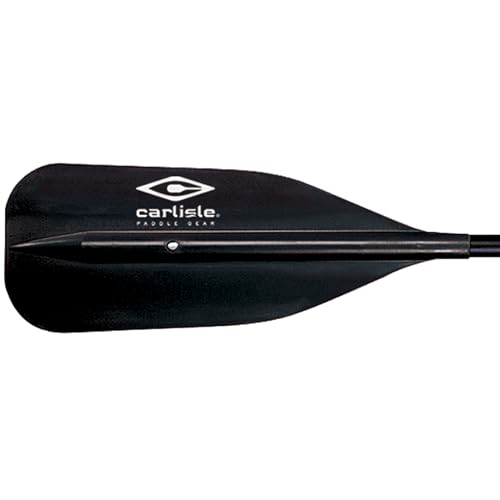
For those just starting out or outfitting a rental fleet, Carlisle Economy aluminum oars are the reliable workhorses of the industry. They are virtually indestructible, handling the inevitable scrapes against rocks and docks without complaint. While they lack the refined flex of premium materials, their durability is unmatched for the price.
These oars are ideal for beginners who are still learning how to handle their boat and might be a bit rough on their equipment. If your priority is a "set it and forget it" tool that won’t break the bank, these are your go-to option. They aren’t for the competitive racer, but for weekend adventures, they are perfectly functional.
Sawyer Polecat Oars for Whitewater Precision

When the water gets moving, you need gear that responds instantly to your input. The Sawyer Polecat is designed with a high-strength fiberglass shaft that offers the perfect balance of stiffness and "give." This allows you to navigate technical rapids with confidence, knowing the oar will hold up under pressure.
These are specifically built for whitewater enthusiasts who need to make sharp, decisive corrections. If you find yourself navigating narrow channels or rocky rivers, the precision of a Polecat is worth every penny. They are not intended for calm, flat-water cruising, but for the river runner, they are essential.
Cataract SGG Oars for Durability and Flex

The Cataract SGG (Shaft, Grip, Gear) series is widely regarded as the best all-around option for serious recreational rowers. The filament-wound fiberglass construction provides a flex profile that mimics wood but with the durability of modern composites. This reduces the strain on your joints during long, repetitive rowing sessions.
These oars are perfect for the rower who has outgrown entry-level gear but isn’t ready for professional-grade carbon fiber. They handle heavy loads well and offer a smooth, predictable stroke. If you want a high-performance oar that can handle both lake rowing and moderate river currents, the SGG is the clear winner.
Croker Carbon Fiber Oars for Racing Speed

When every second counts, carbon fiber is the only material that makes sense. Croker oars are incredibly lightweight, which significantly reduces the swing weight and allows for a faster, more explosive stroke. They provide a direct, rigid connection to the water, ensuring that no energy is wasted during the drive.
These are strictly for the competitive rower or the enthusiast who demands elite performance. The stiffness is unforgiving, so they require good form to avoid fatigue. If your goal is speed and maximum efficiency, these are the best investment you can make.
Dreher Composite Oars for Elite Performance
Dreher has mastered the art of the custom-tuned composite oar. These oars are engineered to have specific flex patterns, allowing you to choose an oar that matches your physical strength and stroke style. They are the pinnacle of rowing technology, offering a level of customization that is rare in the industry.
These are intended for the dedicated athlete who understands the nuances of their own rowing mechanics. They are an expensive investment, but for those who spend hours on the water every week, the ergonomic benefits are profound. If you are looking to fine-tune your performance to the highest degree, look no further.
Cannon Two-Piece Aluminum Oars for Storage

Living in a small apartment or driving a compact car makes transporting full-length oars a major logistical headache. The Cannon two-piece aluminum oars solve this problem by breaking down into manageable sections. They feature a sturdy locking mechanism that ensures the oar feels like a single piece while in use.
These are the ultimate solution for the urban rower or the camper with limited storage space. While they might be slightly heavier than single-piece alternatives, the convenience of portability is a massive advantage. If you struggle with transport, these are the most practical choice you can make.
Maintaining Your Oars for Longevity and Safety
Regardless of the material, consistent maintenance is the secret to getting a decade or more out of your oars. After every trip, rinse your oars with fresh water to remove salt or grit, especially if you have been rowing in brackish conditions. Grit is the silent killer of oar finishes and can lead to premature wear on your oar locks.
Check your blades for cracks and ensure that the grips are secure before every launch. If you use wood, apply a fresh coat of marine-grade varnish or oil at the start of every season to keep the moisture out. By treating your oars with respect, you ensure that they continue to perform reliably when you are miles from the shore.
Investing in the right oars is an investment in your own comfort and the longevity of your time on the water. Whether you choose the rugged durability of aluminum or the high-speed precision of carbon fiber, the perfect pair will make every stroke feel effortless. Take the time to match your gear to your environment, and you will find yourself rowing further and more efficiently than ever before.