

6 Kayak Anchors For Maneuverability in Narrow Creeks
Navigate narrow creeks with precision. We review 6 top kayak anchors designed for superior maneuverability, ensuring stable positioning in tight waterways.
Navigating a tight, winding creek requires more than just a sharp paddle stroke; it demands the ability to lock your position instantly when you spot that perfect eddy. Choosing the right anchor isn’t just about weight, but about how that gear interacts with the unique, often unpredictable floor of a narrow waterway. With the right setup, you can stop fighting the current and start focusing on the cast.
Disclosure: As an Amazon Associate, this site earns from qualifying purchases. Thank you!
Understanding Anchor Needs for Narrow Creeks
Narrow creeks present a unique challenge because space is at a premium and the bottom composition can change every few yards. Unlike open lakes where you might drop a heavy weight and forget it, creek anchoring is about precision and rapid deployment. You are often dealing with overhanging branches, submerged logs, and varying depths that make bulky gear a liability.
When you anchor in a tight space, you need a system that minimizes your footprint to avoid snagging underwater debris. If your anchor gets permanently wedged in a root ball, you aren’t just losing gear; you’re potentially creating a hazard for other paddlers. Always prioritize gear that allows for a quick, clean release to keep your creek sessions stress-free.
Choosing the Right Anchor Style for Shallow Water
In shallow, narrow creeks, standard boat anchors are usually overkill and often counterproductive. You want something that holds your position without creating a massive underwater disturbance that could spook fish. The goal is to find a balance between holding power and the ability to retrieve your gear without damaging the sensitive creek bed.
Consider these factors when selecting your style:
- Bottom Type: Are you dealing with soft silt, rocky shelves, or thick vegetation?
- Current Speed: Is the flow a gentle trickle or a persistent push that requires a mechanical hold?
- Deployment Speed: How fast can you deploy and stow the anchor while keeping your balance?
YakAttack LeverLoc Anchor Pole for Precision
If you frequently fish creeks with depths under six feet, the YakAttack LeverLoc is arguably the gold standard for staying put. This isn’t a traditional anchor; it’s a pole that you drive into the creek bed, allowing you to pivot your kayak without swinging wildly in the current. It is incredibly quiet, which is a massive advantage when you’re trying to remain stealthy.
This tool is perfect for the minimalist who wants to avoid tangled ropes and heavy chains. However, it only works in soft or sandy bottoms where the pole can penetrate. If you primarily paddle over solid rock, this won’t be the right choice for you.
Richter Anchor 3.5lb Grapnel for Muddy Bottoms
Secure your small boat or dinghy with this durable, 3-1/2 lb folding grapnel anchor. Its galvanized steel construction resists corrosion, and the compact, foldable design allows for easy storage.


The Richter Anchor is a fantastic choice for those who encounter varying bottom conditions, particularly soft mud or silt. Its unique design allows it to bite into soft surfaces better than a standard mushroom anchor, providing a surprising amount of hold for such a small profile. It’s compact enough to stow in a small hatch, which is essential when you have limited storage.
This is the go-to for paddlers who need a "set it and forget it" solution in slow-moving water. While it holds well in mud, it can be a bit of a challenge to clean off after a long day. If you don’t mind a little cleanup, the reliability is well worth the effort.
SeaSense Micro Anchor for Quick Creek Stops
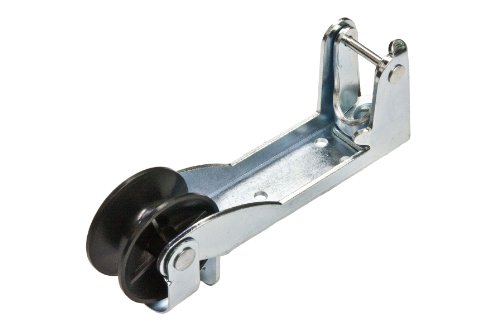
The SeaSense Micro Anchor is designed for those "quick stop" scenarios where you just need to hold for a few minutes to untangle a line or take a photo. It’s lightweight and easy to deploy, making it an excellent secondary anchor for any creek kit. It doesn’t have the heavy-duty holding power for high-flow areas, but that’s not what it’s built for.
This anchor is ideal for the casual paddler who wants to keep their setup simple and lightweight. If you are planning to anchor in heavy rapids or deep, fast-moving water, you will definitely want something more substantial. For the typical narrow creek explorer, it’s a convenient, low-profile companion.
Ketch Products Folding Anchor for Easy Storage
Ketch Products has engineered a folding anchor that thrives in the tight confines of a kayak cockpit. The ability to fold the flukes down makes it incredibly easy to tuck into a side pocket or a small mesh bag. When deployed, the flukes lock into place to provide a secure grip on rocky or uneven creek bottoms.
This anchor is perfect for the paddler who values gear organization and hates having loose ropes or metal parts cluttering their deck. It’s a versatile piece of equipment that handles a variety of substrates with ease. If you want a reliable, all-around anchor that won’t take up your limited kayak space, this is your best bet.
Bass Pro Shops Galvanized Grapnel for Stability
The Bass Pro Shops Galvanized Grapnel is a classic for a reason: it’s durable, affordable, and provides excellent holding power in a wide range of conditions. The galvanized coating helps prevent rust, which is crucial if you’re frequently transitioning between brackish and freshwater creeks. It’s a bit heavier than specialized kayak anchors, but that weight works in your favor when the current picks up.
This is the right choice for the angler who needs a dependable anchor that can handle a bit of abuse. It’s not the most compact option on the market, so make sure you have a dedicated spot for it. If you prioritize raw holding power over weight savings, you’ll find this to be a reliable workhorse.
SandShark Aluminum Auger for Soft Creek Banks
The SandShark Auger is a revolutionary tool for those who spend a lot of time in creeks with soft, sandy, or silty banks. By screwing the auger into the bank, you create a rock-solid anchor point that keeps your kayak perfectly positioned against the shore. It’s lightweight, rust-proof, and arguably the most secure way to park your boat in soft terrain.
Secure your boat or jet ski in shallow water with the SuperSport Anchor. Its auger design provides exceptional holding power in sand, and it's built with durable, aircraft-grade aluminum and reinforced nylon for lasting performance.

This is an essential piece of gear for anyone who likes to step out of their kayak to explore the bank or take a break. It won’t work in rocky or hard-packed clay, but for soft creek edges, it’s unbeatable. If your creek adventures involve frequent stops on the bank, you’ll wonder how you ever paddled without one.
Essential Rigging Techniques for Creek Anchors
Proper rigging is just as important as the anchor itself. Always use a "breakaway" rig, which involves attaching your anchor rope to the bottom of the anchor and using a zip tie to secure it to the top. If the anchor gets stuck, a hard tug will break the zip tie, allowing you to pull the anchor out from the bottom and free it from the snag.
Additionally, use a length of bungee cord in your anchor line to act as a shock absorber. This prevents the sharp jerks of the current from pulling your anchor loose or tipping your kayak. Always keep your anchor line length at least three times the depth of the water to ensure the proper angle of pull.
Safety Tips for Anchoring in Moving Currents
Anchoring in moving water carries the risk of "swamping," where the current catches the side of your kayak and pulls it under. Never anchor from the side of your kayak; always use an anchor trolley system to keep the line attached to the bow or stern. This allows your kayak to stay pointed into the current, minimizing the surface area exposed to the flow.
Always keep a sharp knife within reach of your seat. In an emergency, such as a sudden rise in water level or a snag that threatens to capsize you, you must be able to cut your anchor line instantly. Never prioritize your gear over your safety; if the current turns dangerous, let the anchor go.
Mastering the art of anchoring in a narrow creek turns a difficult paddle into a controlled, enjoyable experience. By matching the right tool to your specific environment and keeping your rigging safe, you can confidently explore even the tightest waterways. Stay observant, keep your gear organized, and always respect the power of the water you’re navigating.
