6 Best Kayak Wheel Replacements For Worn Out Gear
Is your kayak cart struggling? We review the 6 best replacement wheels to restore your gear’s mobility and ensure smooth transport on any rugged terrain.
There is nothing quite as frustrating as hauling a fully rigged fishing kayak across a parking lot only to have a wheel seize up or disintegrate halfway to the water. A reliable set of wheels is the unsung hero of every successful paddling trip, bridging the gap between your vehicle and the launch point. Investing in the right replacement tires now will save you from back-straining portages and ruined weekend plans later.
Disclosure: As an Amazon Associate, this site earns from qualifying purchases. Thank you!
Assessing Your Current Kayak Cart Wheel Wear
Before you rush to buy new gear, take a close look at your existing wheels to determine if they are truly failing or just poorly maintained. Inspect the treads for deep cracks, dry rot, or embedded debris that could lead to a sudden blowout under load. If the axle housing is wobbling or the wheel spins unevenly, the hub bearings are likely shot, which is a common point of failure for budget-tier carts.
Don’t just look at the rubber; check the integrity of the plastic rims as well. Stress fractures near the center hub often indicate that the cart has been consistently overloaded, suggesting that you might need a higher weight-rated replacement rather than just a direct swap. If the wheel is merely "flat," check the valve stem first, but if the material itself is crumbling, it is time for a full upgrade.
Understanding Tire Materials and Terrain Needs
The material of your kayak wheel dictates how it interacts with the ground beneath it. Hard plastic wheels are excellent for smooth, paved boat ramps but will sink instantly into soft sand or deep mud. Conversely, wide, soft-compound tires spread the weight of your kayak over a larger surface area, acting like snowshoes to keep you moving across loose terrain.
Consider the composition of the tire itself: pneumatic tires offer a cushioned ride that protects your hull from vibration, but they are susceptible to punctures from sharp shells or rocks. Airless or foam-filled tires eliminate the risk of flats entirely, though they are often heavier and provide a stiffer ride. Matching the tire material to your local launch environment is the single most important factor in preventing gear failure.
C-Tug SandTrakz Wheels for Soft Beach Terrain
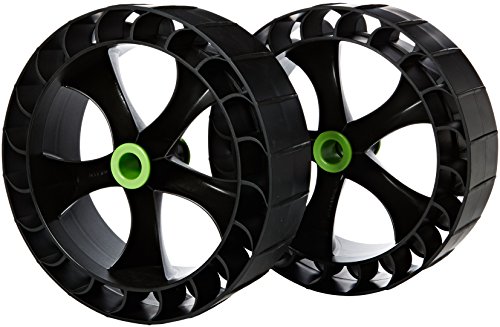

If your local launch involves trekking across long stretches of soft, loose sand, the C-Tug SandTrakz are effectively the gold standard. These wheels feature a unique, flexible design that mimics a tank tread, compressing under the weight of the kayak to increase the surface area and prevent sinking. They don’t just roll over the sand; they actively grip it, making a heavy load feel significantly lighter.
While these are incredible for beaches, they are overkill for hard-packed gravel or concrete boat ramps. They are also a bit wider than standard wheels, so ensure they fit your existing axle width before committing. If you spend your summers on sandy coastal dunes, these are the only wheels you should be considering.
Malone WideTrak AT Wheels for Rugged Shorelines

The Malone WideTrak AT wheels are designed for the paddler who encounters everything from jagged rocks to muddy forest trails. These are rugged, oversized tires that prioritize durability and traction above all else. Because they are wider than the average replacement wheel, they provide excellent stability, preventing your kayak from tipping over when navigating uneven, root-filled paths.
These wheels are perfect for those who prioritize a "set it and forget it" mentality. They are tough enough to handle the abuse of rocky shorelines without showing significant wear. If you are tired of your cart bottoming out on obstacles, the added diameter of the WideTrak AT will solve your clearance issues immediately.
Railblaza C-Tug Kayak Wheels for Versatility

The standard Railblaza C-Tug wheels are the workhorses of the industry, offering a balanced performance that suits most casual paddlers. They are constructed from high-quality, puncture-free materials that handle a mix of grass, dirt, and pavement with ease. Their design is clean, simple, and notoriously long-lasting, making them a safe bet for those who don’t want to overthink their gear.
These wheels are best for the weekend warrior who paddles at a variety of locations rather than one specific type of terrain. While they might struggle in deep, powdery sand compared to specialized treaded options, they are remarkably reliable on boat ramps and hard-packed trails. If you want a dependable, all-around replacement that won’t let you down, this is your best choice.
Suspenz Airless Cart Tires for Puncture Safety

Nothing ruins a morning paddle faster than realizing your cart tire has gone flat overnight. The Suspenz Airless tires are the solution for paddlers who are tired of carrying a bike pump or worrying about glass and thorns on the path. These tires provide the bounce and cushion of a pneumatic tire without the need for air, ensuring you are always ready to roll.
Because they are made from a solid, high-density foam, they are virtually indestructible in standard recreational use. They provide a smooth ride that protects your kayak’s gel coat from being rattled by bumpy terrain. If you value peace of mind and want to eliminate maintenance from your pre-paddle checklist, these airless tires are the perfect upgrade.
Wilderness Systems Heavy Duty Wheels for Load
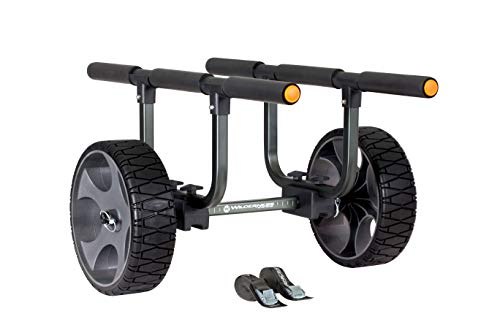
If you are hauling a fully outfitted fishing kayak or a heavy tandem boat, standard wheels often buckle under the pressure. The Wilderness Systems Heavy Duty wheels are engineered with a reinforced core and a wider profile to support significant weight without deforming. They are built specifically to handle the stress of heavy gear, ensuring that the axle stays straight and the roll remains smooth.
These are not for the lightweight recreational paddler; they are for those who carry coolers, extra rods, and heavy electronics. The trade-off is a slightly heavier cart, but the structural integrity is unmatched. If your current wheels are bowing outward under your load, you need to switch to these heavy-duty replacements.
Seattle Sports All-Terrain Wheels for Stability

Seattle Sports has built a reputation on stability, and their All-Terrain wheels are no exception. These tires feature a wide, knobby tread pattern that provides excellent grip on slick boat ramps and muddy inclines. They are designed to keep your cart tracking straight, even when the kayak is loaded unevenly or the path is narrow and tricky.
These wheels are a fantastic mid-range option for paddlers who want better performance than stock wheels without jumping to high-end specialty tires. They are particularly good for locations where you have to navigate steep, slippery concrete ramps. If you find your cart constantly sliding sideways on wet surfaces, the grip provided by these tires will be a welcome improvement.
Proper Installation and Maintenance Techniques
Installing new wheels is rarely just about sliding them onto the axle; it is about ensuring the fit is secure and the bearings are protected. Always clean your axles with fresh water after every trip to remove salt or grit that can grind down the plastic bushings. If you notice any play between the wheel and the axle, use the appropriate spacers to ensure the wheel spins true and doesn’t rub against the cart frame.
Never force a wheel onto an axle if it doesn’t fit perfectly, as this can damage the internal housing of the wheel. If you are using a cotter pin or locking clip, ensure it is fully seated to prevent the wheel from sliding off mid-portage. A little bit of silicone-based lubricant on the axle can also go a long way in keeping your wheels rolling smoothly for years.
Extending the Lifespan of Your Kayak Wheels
The biggest killer of kayak wheels is not the terrain, but the way they are stored between trips. Leaving your cart in direct, intense sunlight can cause the rubber compounds to degrade and crack prematurely. Store your gear in a cool, shaded area, and if possible, keep the wheels off the ground to prevent flat spots from forming over long periods of inactivity.
- Rinse thoroughly: Always wash off salt and mud after use.
- Check tire pressure: If using pneumatic tires, check them monthly.
- Avoid over-tightening: Don’t crank down locking pins so hard that they deform the plastic.
- Rotate your gear: If you have multiple carts, rotate their use to ensure even wear.
Choosing the right replacement wheels is about matching your gear to the specific challenges of your favorite launch sites. Whether you need the puncture-proof reliability of airless tires or the floatation of wide beach wheels, the right upgrade will transform your portage experience. Take the time to assess your terrain, pick the right tool for the job, and you will spend far less time hauling and far more time on the water.