

6 Best Camera Cleaning Solutions For Saltwater Gear
Saltwater damages gear quickly. Discover the 6 best cleaning solutions to remove corrosive salt deposits and keep your camera equipment in top condition.
Capturing the perfect shot at the shoreline often means battling the relentless spray and fine mist of the ocean. Saltwater is notoriously unforgiving, acting like a corrosive abrasive that can permanently etch your delicate glass elements if left unchecked. Mastering the art of cleaning your gear is the difference between a long-lasting kit and an expensive pile of corroded electronics.
Disclosure: As an Amazon Associate, this site earns from qualifying purchases. Thank you!
The Dangers of Salt Accumulation on Optics
Salt is more than just a nuisance; it is a chemical catalyst for corrosion. When salt spray lands on your lens, it doesn’t just sit there—it dehydrates into microscopic, jagged crystals that act like sandpaper against your lens coatings. Every time you wipe a dusty lens with a dry cloth, you are essentially dragging these crystals across the glass, causing permanent micro-scratches.
Beyond the glass, salt accumulation finds its way into the mechanical crevices of your camera body. Once inside, it attracts moisture from the humid coastal air, creating a conductive brine that can short-circuit internal electronics. If you aren’t diligent about removing salt residue immediately after a shoot, you are inviting a slow, inevitable degradation of your equipment’s performance.
Zeiss Lens Wipes for Quick Salt Removal
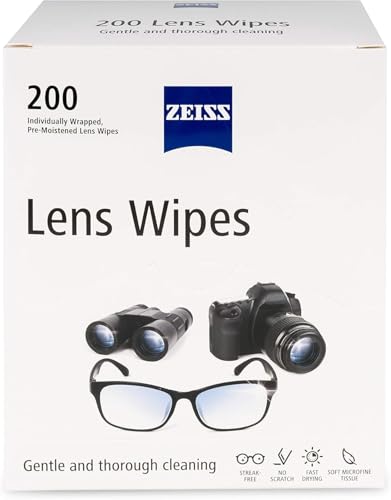

When you are out in the field and need an immediate, safe solution, Zeiss Lens Wipes are the gold standard. These pre-moistened, individually wrapped wipes are specifically formulated to dissolve salt residue without leaving streaks or residue behind. They are perfect for tossing into a camera bag for those moments when a sudden gust of sea spray catches your gear off guard.
Because they are disposable, you never have to worry about cross-contaminating your glass with salt trapped in a reusable cloth. If you prioritize convenience and portability above all else, these wipes are a non-negotiable addition to your kit. They are the ideal choice for the photographer who values efficiency and wants to ensure their glass is pristine before the next frame.
LensPen Hurricane Blower for Sand and Grit
Before you ever touch your lens with a cloth or fluid, you must remove the abrasive debris. The LensPen Hurricane Blower is a powerful, manual air pump that delivers a high-velocity blast of air to dislodge sand and dried salt crystals. It is a safer, more controlled alternative to canned air, which can sometimes expel propellant residue onto your glass.
This blower is an essential first line of defense for any coastal photographer. It prevents you from grinding grit into the lens surface during the manual cleaning process. If you want to extend the life of your expensive optics, you need this tool—it is the most effective way to clear the debris that causes the most damage.
Nikon Lens Cleaning Kit for Salt Residue
The Nikon Lens Cleaning Kit is a comprehensive solution designed for those who prefer a structured approach to maintenance. It typically includes a high-quality microfiber cloth, cleaning fluid, and a brush, providing everything you need to tackle stubborn, dried-on salt spots. It is a reliable, all-in-one package that takes the guesswork out of selecting compatible cleaning agents.
This kit is perfect for the photographer who wants a trusted, brand-backed solution for their routine maintenance. While it may be more gear to carry than a simple wipe, the ability to clean both the glass and the exterior barrel makes it a versatile choice. It is a solid investment for someone who appreciates having a dedicated, organized kit for their post-shoot cleanup.
LensPen NLP-1 for Precision Glass Care
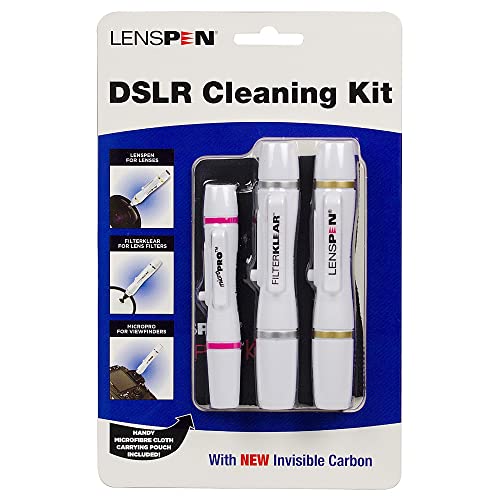
The LensPen NLP-1 is a unique tool that uses a specialized carbon cleaning compound to absorb oils and salt residue. Unlike liquid cleaners that can sometimes smear, the carbon tip lifts salt and grime off the surface, leaving a crystal-clear finish. It is particularly effective for those hard-to-reach corners where salt tends to congregate near the lens barrel.
This tool is a must-have for photographers who demand absolute clarity in their images. Because it is compact and requires no liquids, it is an excellent choice for travel or long days on the beach. If you are tired of dealing with streaks and want a professional-grade finish, the NLP-1 is the precision instrument you have been looking for.
Giottos Rocket Blaster for Salt Crystals

The Giottos Rocket Blaster is a legendary tool in the photography world, and for good reason. Its unique, bottom-standing design prevents it from tipping over and picking up sand from the ground, which is a common hazard when working on a beach. The high-volume air output is perfect for clearing out the nooks and crannies of your camera housing where salt likes to hide.
This is the ultimate tool for the heavy-duty coastal photographer who needs serious airflow. Its build quality is robust, and the one-way valve ensures you are only ever blowing clean air onto your gear. If you are shooting in high-spray environments, the Rocket Blaster is the most reliable way to keep your gear free of harmful, microscopic debris.
Hama Lens Cleaning Fluid for Stubborn Salt

Sometimes, salt has been baked onto the lens by the sun, and a dry wipe simply won’t cut it. Hama Lens Cleaning Fluid is a gentle, effective solution that breaks down the chemical bond of salt without damaging the delicate multi-coatings on your lenses. It is a trusted, professional-grade fluid that leaves no residue behind when used with a clean microfiber cloth.
This fluid is the heavy lifter for your post-shoot deep cleaning sessions. It is not necessarily for quick, mid-shoot fixes, but rather for the thorough cleanup once you are back home. If you have gear that has been exposed to heavy sea spray, this fluid is an essential component of your recovery process.
Proper Techniques for Cleaning Saltwater Gear
Never wipe a lens while it is dry if there is visible salt or sand on the surface. Always start by using your air blower to remove loose debris, followed by a light brushing if necessary. Only after the abrasive particles are gone should you introduce a cleaning fluid or a moistened wipe to clear the remaining residue.
Consistency is the key to success when dealing with saltwater. Aim to clean your gear as soon as possible after returning from the coast to prevent the salt from hardening or drawing moisture into the seals. By following this systematic approach, you minimize the risk of scratching your glass and maximize the longevity of your equipment.
Preventing Corrosion on Camera Housings
The exterior of your camera housing is just as susceptible to salt damage as the lens. After every outing, give your gear a gentle wipe-down with a slightly damp, fresh-water cloth to neutralize the salt. Avoid submerging the camera itself, but be thorough with the buttons, dials, and battery compartment seals where salt can easily accumulate.
Periodically inspect your rubber seals and O-rings for signs of salt buildup or degradation. A light application of silicone grease, if recommended by your manufacturer, can help keep these seals supple and effective. Taking these small, preventative steps will save you from the heartbreak of a flooded housing or a seized control dial.
Essential Maintenance for Coastal Photography
Coastal photography requires a disciplined approach to gear maintenance that goes beyond the basics. Create a dedicated "clean zone" in your gear bag where you keep your cleaning tools separate from your field equipment. This ensures that you aren’t accidentally introducing salt or sand back onto your lenses when you reach for a cloth.
Remember that salt is persistent, and it will find the weakest point in your gear’s defenses. By staying proactive with your cleaning routine and using the right tools for the job, you can enjoy the beauty of the coast without the fear of damaging your equipment. Treat your gear with respect, and it will continue to capture stunning images for years to come.
Keeping your camera in top condition near the ocean is a commitment to regular, careful maintenance. By choosing the right tools and following a strict cleaning protocol, you can effectively neutralize the corrosive power of salt. Stay diligent, stay prepared, and your gear will remain ready for every coastal adventure.
