6 Best Camera Drones For Aerial Surf Shots for Pros
Capture professional surf footage with our top 6 drone picks. We analyze flight stability, camera quality, and speed to help you nail every epic barrel shot.
Capturing the raw power of a breaking wave from the air requires more than just a steady hand; it demands gear that can handle the volatile coastal environment. As someone who has spent over a decade analyzing surf conditions and the equipment used to document them, I know that the right drone is the difference between a blurry mess and a cinematic masterpiece. This guide breaks down the top aerial tools to help you elevate your surf photography to a professional standard.
Disclosure: As an Amazon Associate, this site earns from qualifying purchases. Thank you!
DJI Mavic 3 Pro: The Ultimate Professional Choice


The DJI Mavic 3 Pro is the gold standard for surf cinematographers who refuse to compromise on image quality. With its triple-lens system, you gain the flexibility to capture wide-angle lifestyle shots of the beach and tight, compressed telephoto shots of the surfer deep in the barrel. The 4/3 CMOS sensor provides a dynamic range that is essential when dealing with the high-contrast glare of sunlight reflecting off the ocean surface.
If you are a professional looking for the highest possible production value, this is your primary tool. It handles wind resistance with ease, ensuring your footage remains buttery smooth even when the coastal breeze picks up. While it represents a significant investment, the ability to switch focal lengths mid-flight makes it the most capable drone in the sky for serious surf storytelling.
Autel Robotics EVO II Pro: Superior Low Light Tech
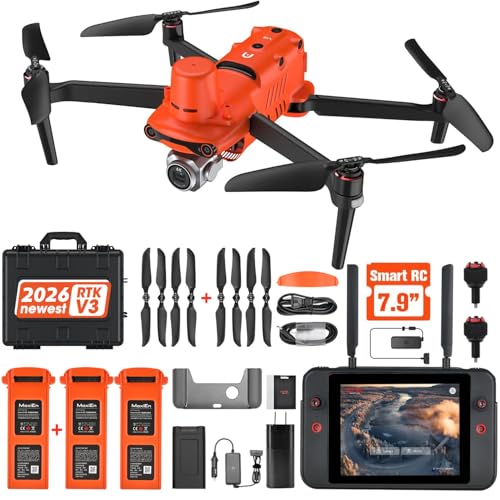
When the best light hits—usually during the golden hour or at dawn—you need a sensor that can handle shadows without introducing excessive noise. The Autel EVO II Pro features a massive 1-inch sensor that excels in these low-light conditions, making it a favorite for photographers capturing early morning surf sessions. Its ability to retain detail in the dark wetsuits and shadowed wave faces is unmatched.
I recommend this drone for those who prioritize image fidelity over complex tracking software. It is a workhorse that delivers clean, professional files that are a dream to color grade in post-production. If your workflow involves shooting in challenging light where other drones start to struggle with grain, the EVO II Pro is your best bet.
DJI Air 3: Best Versatility for Surf Tracking
The DJI Air 3 strikes a perfect balance between portability and high-end performance, making it the ideal companion for beach days where you need to hike to remote breaks. Its dual-camera system allows you to capture both wide and medium shots, providing excellent context for the surf conditions. The tracking capabilities here are refined, allowing you to focus on the surfer’s movement while the drone manages the composition.
This is the drone for the surf photographer who values efficiency and speed. It’s light enough to carry in a backpack for long distances but powerful enough to handle the gusty winds typical of coastal cliffs. If you want a reliable, versatile drone that won’t weigh you down during a trek to a hidden surf spot, the Air 3 is the clear winner.
Skydio 2+: Top Autonomous Surf Follow Features
Extend your flight time with the Skydio 2/2+ Drone Battery. This battery ensures reliable power for capturing stunning aerial footage.

Surfing is unpredictable, and manual tracking can often lead to missing the critical moment of a turn or a tube ride. The Skydio 2+ changes the game with its industry-leading autonomous flight software, which excels at obstacle avoidance and intelligent subject tracking. It essentially acts as a secondary camera operator, allowing you to focus on the water while it keeps the surfer centered in the frame.
This drone is perfect for solo shooters who need to document their own sessions or capture complex maneuvers without manual input. While it lacks the high-end sensor specs of the larger DJI models, its ability to stay locked onto a target in moving water is unparalleled. If you prioritize intelligent tracking over raw resolution, the Skydio 2+ is the most effective tool for the job.
DJI Mini 4 Pro: Best Portable Aerial Solution
Don’t let the size fool you; the DJI Mini 4 Pro is a powerhouse that fits in the palm of your hand. Its sub-249g weight makes it incredibly convenient for travel, allowing you to bypass some of the more stringent registration hurdles in various coastal regions. Despite its footprint, it delivers stunning 4K footage and features omnidirectional obstacle sensing, which is vital when flying near rocky outcrops or piers.
This drone is the ultimate choice for the surf traveler who needs to stay nimble. It is not designed for heavy-duty cinematic work in extreme weather, but for capturing high-quality social media content and quick b-roll, it is unbeatable. If you need a "take everywhere" drone that is ready to fly in seconds, the Mini 4 Pro is your go-to.
Autel EVO Lite+: High Resolution Surf Imaging

The Autel EVO Lite+ stands out because of its adjustable aperture, which is a massive advantage when shooting on bright, reflective beaches. Being able to physically control the light entering the sensor allows you to maintain the perfect shutter speed for that natural motion blur on the water. It produces crisp, high-resolution imagery that stands up to heavy cropping and editing.
This drone is tailored for the photographer who wants full manual control over their exposure settings. It’s a robust machine that feels solid in the air and produces a distinct, film-like aesthetic. If you are a stickler for manual settings and need a sensor that handles bright, high-contrast beach environments with precision, the Lite+ is an excellent choice.
Essential Drone Features for Surf Photography
- Sensor Size: Larger sensors (1-inch or 4/3) are critical for managing the high-contrast glare of the ocean.
- Wind Resistance: Look for drones with high wind-speed ratings, as coastal areas are rarely calm.
- Transmission Range: Strong signal stability is necessary when flying over water, where interference can occur.
- Tracking Intelligence: Advanced subject tracking ensures you don’t lose the surfer during fast-paced maneuvers.
Managing Salt Air and Coastal Wind Challenges
Coastal environments are notoriously hard on electronics due to salt spray and relentless winds. Salt is corrosive; it can quickly compromise motors and internal gimbal components if not managed properly. Always check your weather apps for wind gusts—not just average speeds—and avoid flying if the conditions exceed the manufacturer’s recommended limits.
Flying over water also presents a challenge for downward-facing sensors, which rely on terrain to maintain altitude. Be aware that the drone may struggle to judge height accurately over moving waves, so keep your altitude high enough to avoid a sudden dip into the surf. Always maintain a direct line of sight and never push your battery life to the absolute limit when flying over the ocean.
Legal Regulations for Coastal Drone Operations
Operating a drone near the coast often involves navigating a complex web of local and federal laws. Many beaches are protected marine sanctuaries or near airports, which may lead to strict "no-fly" zones or permit requirements. Always check local municipal codes, as some areas prohibit drones during peak tourist seasons or to protect nesting wildlife.
Never fly over groups of people or directly over swimmers and surfers, as this is both a safety hazard and a legal violation in most jurisdictions. Respecting the privacy of others and the tranquility of the beach is paramount to keeping these locations open for drone use. Always prioritize safety and legal compliance to ensure the hobby remains accessible for everyone.
Maintenance Tips for Marine Drone Longevity
After every flight near the ocean, perform a quick inspection of the drone’s body and motors. Use a clean, dry microfiber cloth to wipe down the exterior, ensuring no salt residue remains on the joints or sensors. If you have been flying in particularly misty conditions, consider using a specialized electronic-safe contact cleaner on exposed ports.
Store your batteries in a cool, dry place and ensure they are maintained at a storage charge when not in use. Regularly check your propellers for hairline fractures, as the salt air can degrade plastic over time. By treating your drone with the same care you would a high-end camera lens, you will significantly extend its lifespan in the harsh marine environment.
Selecting the right drone for surf photography is about balancing your specific creative needs with the realities of a demanding marine environment. Whether you prioritize autonomous tracking or raw, high-resolution image quality, the options outlined above provide a solid foundation for professional-grade results. Keep your gear maintained, respect the local regulations, and you will be well on your way to capturing the perfect wave.