6 Best Taped Seam Wetsuits For Durability For Cold Water
Discover the 6 best taped-seam wetsuits for cold water. We analyze top models focused on superior durability and heat retention for your winter surf sessions.
There is nothing quite like the stillness of a winter lineup, but that serenity vanishes the moment a freezing flush of water hits your spine. Investing in a high-quality, taped-seam wetsuit is the difference between a thirty-minute session and a full afternoon of pure, uninterrupted flow. If you are serious about extending your time in the water, these gear choices are the foundation of your cold-water survival kit.
Disclosure: As an Amazon Associate, this site earns from qualifying purchases. Thank you!
Why Taped Seams Are Essential for Cold Water
When you are surfing in frigid temperatures, the seams are the primary point of failure for heat retention. Standard stitching creates tiny needle holes that allow water to seep through, creating a "leaky" suit that drains your body heat rapidly. Taped seams—where a specialized adhesive strip is applied over the internal stitching—seal these gaps, creating a watertight barrier that keeps you significantly warmer.
Beyond warmth, taping adds structural integrity to the entire suit. The stress of paddling and popping up puts immense pressure on seams, often leading to premature tearing or fraying. By reinforcing these critical junctions, taped seams prevent the neoprene from stretching out of shape, ensuring your suit maintains its performance profile season after season.
Understanding Wetsuit Construction and Durability
Wetsuit durability is a delicate balance between material quality and manufacturing precision. High-end suits utilize premium neoprene, which is more resistant to compression and degradation from salt and sunlight. However, the lifespan of that neoprene is dictated by the quality of the glue, the density of the stitching, and the application of the internal tape.
Many beginners assume that a thicker suit is always more durable, but that is a common misconception. A suit that is too thick can actually lead to material fatigue because the neoprene is constantly fighting against your body’s range of motion. Durability comes from a combination of high-grade materials and construction techniques that allow the suit to move with you rather than against you.
O’Neill Psycho Tech: Best for Extreme Cold
The O’Neill Psycho Tech is the gold standard for those who refuse to leave the water when the mercury drops. It features their proprietary TechnoButter 3 neoprene and a wind-resistant exterior firewall that effectively blocks biting coastal winds. The internal taping is applied with surgical precision, making it nearly impossible for water to penetrate the seams.


This suit is the right choice for the surfer who spends hours in near-freezing conditions and prioritizes warmth above all else. It is dense, protective, and built to handle the harshest environments you can find. If you live for winter swells and need a suit that acts like a second skin of armor, the Psycho Tech is your best bet.
Rip Curl Flashbomb: Best for Quick Drying
The Rip Curl Flashbomb is legendary for its E6 Flash Lining, which is designed to channel water away from the body and dry in minutes. When you are doing back-to-back sessions or chasing swell across multiple days, having a dry suit for the morning session is a massive advantage. The seam taping here is thin yet incredibly effective, maintaining the suit’s signature flexibility.
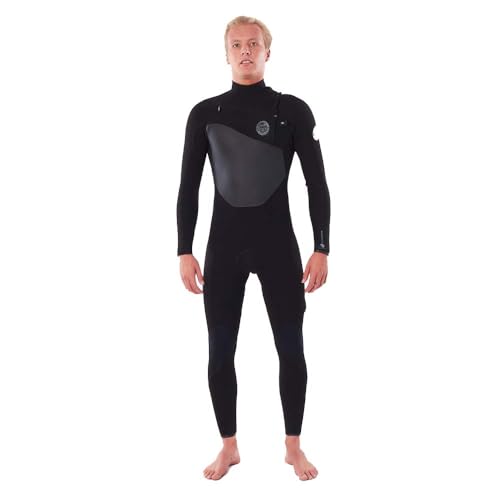
This suit is perfect for the frequent water-goer who hates the feeling of pulling on a cold, damp wetsuit at dawn. It bridges the gap between high-performance flexibility and the practical need for rapid drying. If your priority is comfort and convenience during multi-day trips, the Flashbomb is the superior choice.
Xcel Drylock: Best for Thermal Retention
Xcel has built its reputation on the Drylock, a suit specifically engineered to prevent the "flush" that happens when water enters through the neck or wrists. The internal taping is reinforced with a specialized Celliant Black lining, which is scientifically designed to convert body heat into infrared energy. It is an incredibly warm, locked-down system that feels almost like a drysuit.
This is the ultimate tool for the surfer who struggles with circulation or simply runs cold. It is not the most flexible suit on the market, but its ability to trap heat is peerless. If you are heading out in deep winter and want to ensure you stay toasty regardless of how long you stay out, the Drylock is the industry leader.
Patagonia R4 Yulex: Best Sustainable Option
Patagonia shifted the industry standard by moving away from traditional petroleum-based neoprene in favor of Yulex, a natural rubber alternative. The R4 is their heavy-duty cold-water offering, featuring a 100% recycled polyester lining and high-quality seam taping that holds up to years of heavy use. It is a robust, well-constructed suit that proves you do not need to sacrifice durability for environmental ethics.
This suit is for the conscious consumer who wants a high-performance product that aligns with their values. It is slightly stiffer than synthetic neoprene, but the trade-off is a longer-lasting, more sustainable product. If you want a suit that will last for years and minimize your ecological footprint, the R4 is the gold standard.
Billabong Furnace: Best for Flexibility
The Billabong Furnace is a masterclass in balancing warmth with high-performance mobility. By using a graphene-infused lining, the suit traps heat efficiently without requiring excessive thickness, allowing the neoprene to remain supple. The internal taping is strategically placed to reinforce high-stress areas without restricting your paddle stroke or turns.
This is the ideal suit for surfers who refuse to let a thick winter suit hinder their performance. It feels lighter and more fluid than most other cold-water suits, making it a favorite for those who want to rip even in 4/3mm or 5/4mm conditions. If your priority is maintaining your agility while staying warm, the Furnace is the perfect partner.
Matuse Scipio: Best for Premium Insulation
Matuse uses Geoprene, a limestone-based material that is less porous and more durable than traditional petroleum neoprene. The Scipio is their flagship cold-water model, featuring high-end seam taping and a fit that is notoriously precise. It is a premium product that focuses on long-term performance and heat retention through material superiority.
This suit is for the discerning user who appreciates technical excellence and is willing to invest in a product built to last. It is exceptionally warm and maintains its integrity well after other suits have started to lose their stretch. If you want a top-tier, long-lasting investment piece that excels in insulation, the Scipio is worth the premium price.
Evaluating Neoprene Thickness and Flexibility
When choosing your thickness, always prioritize the temperature of your local break over the "what-if" scenarios. A 5/4mm suit is essential for water temperatures below 50°F (10°C), while a 4/3mm is usually sufficient for the 50°F-60°F range. Remember that as you go thicker, you lose flexibility, so aim for the thinnest suit that still keeps you comfortable.
- 5/4mm: Best for deep winter, frigid wind, and long sessions.
- 4/3mm: The versatile workhorse for mild winter and shoulder seasons.
- 3/2mm: Perfect for late spring and early autumn; offers maximum range of motion.
Always consider the "fit" as the most critical factor in flexibility. Even the best suit will feel restrictive if it is too small, and it will flush cold water if it is too large. A well-fitted suit should feel snug but allow for a full range of motion in the shoulders and hips.
Proper Care to Extend Your Wetsuit Lifespan
Your wetsuit is an expensive piece of equipment, and its longevity is entirely in your hands. Always rinse your suit with fresh, cool water after every single session to remove salt crystals, which act like sandpaper on the neoprene fibers. Never leave your suit in direct sunlight, as UV rays are the fastest way to degrade the rubber and weaken the seam tape.
When drying, hang your suit on a wide, padded hanger to prevent shoulder stretching. Never fold your suit while it is still damp, as this can lead to mold and permanent creases in the neoprene. By taking these simple steps, you can easily double the lifespan of your taped-seam suit, ensuring your investment pays off for many seasons to come.
Selecting the right taped-seam wetsuit is a balance of your local climate, your cold tolerance, and your desire for mobility. By choosing a suit that matches your specific needs, you transform a chore into a comfortable, high-performance experience. Take care of your gear, respect the water, and you will find that winter is often the best time to be in the lineup.