

7 Best Tech Suit Repair Patches For Holes for Swimmers
Extend your tech suit’s life with our top 7 repair patches. Discover durable, waterproof solutions to fix holes and maintain peak performance in the water.
There is nothing quite like the heartbreak of hearing that distinct "rip" sound while pulling on your high-compression tech suit just minutes before a championship heat. While these suits are marvels of hydrodynamic engineering, they are notoriously fragile and prone to snagging on locker room benches or sharp pool edges. Knowing how to perform a reliable field repair can save your race day and protect your investment in expensive racing gear.
Disclosure: As an Amazon Associate, this site earns from qualifying purchases. Thank you!
Understanding Tech Suit Fabric and Tear Risks
Tech suits are constructed from ultra-thin, high-compression fabrics designed to minimize drag and maximize muscle support. Because these materials are woven to be exceptionally lightweight and hydrophobic, they lack the structural resilience of standard training swimwear. A single snag on a lane rope or a fingernail puncture can compromise the integrity of the entire suit, leading to rapid "running" or further tearing under the pressure of a race start.
The primary risk factor for these suits is tension. When you pull on a suit, the fabric is stretched to its absolute limit, meaning any existing hole will expand rapidly under the strain of your movement. Understanding that these materials are essentially high-tech membranes is crucial; you aren’t just patching a hole, you are restoring the tension-bearing capacity of a precision-engineered garment.
Gear Aid Tenacious Tape: Best for Fabric Bonds
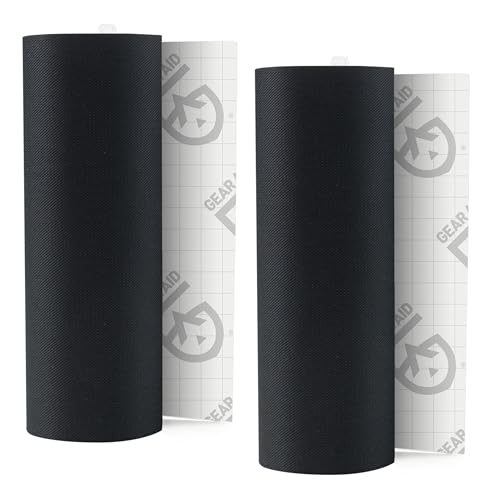

If you need a quick, reliable fix that doesn’t require a chemistry degree, Tenacious Tape is the gold standard for immediate relief. It uses an incredibly aggressive adhesive that bonds directly to the synthetic fibers of most racing suits without leaving a gummy, messy residue behind. It is essentially a high-strength, weather-resistant sticker that holds firm even when submerged in chlorinated water.
I recommend this for swimmers who need an "emergency kit" solution to keep in their swim bag at all times. It is perfect for small, clean tears that need to be stabilized before a race. Just keep in mind that while it is durable, it is best viewed as a temporary measure until you can perform a more permanent repair at home.
Tear-Aid Type A: Best for Flexible Waterproofing

Tear-Aid Type A is a clear, elastic patch that mimics the movement of your suit fabric, making it an excellent choice for high-stress areas like the glutes or shoulders. Unlike stiffer patches that might peel off when the suit stretches, Tear-Aid maintains its bond through repeated cycles of compression and expansion. It is virtually invisible once applied, which is a massive plus for maintaining the sleek aesthetic of your suit.
This product is the right call if your tear is located in a zone that experiences significant movement during your stroke. Because it is airtight and watertight, it won’t trap water between the patch and the suit, which prevents that annoying "bubble" effect during your race. If you prioritize comfort and flexibility over everything else, this is your go-to patch.
McNett Aquasure FD: Best for Permanent Sealing
When a tear is jagged or located on a seam, tape often isn’t enough to stop the damage from spreading. McNett Aquasure FD is a urethane-based adhesive that acts as a liquid sealant, effectively welding the edges of the fabric back together. It dries into a flexible, rubber-like bond that is practically indestructible, making it ideal for long-term repairs on suits you plan to use for the remainder of the season.
Be aware that this is a permanent solution; once it’s on, it’s not coming off. It requires a steady hand and patience to apply, but the result is a repair that is often stronger than the original fabric. Use this for those "must-save" suits that have developed frustrating, recurring tears in high-tension seams.
Stormsure Flexible Repair: Best for Durability
Stormsure is the heavy hitter of the repair world, designed for gear that takes a serious beating. While it is slightly thicker than other options, its ability to withstand extreme stretching and consistent exposure to harsh pool chemicals is unmatched. If you have a larger puncture that needs a robust, structural reinforcement, Stormsure provides the peace of mind that the repair won’t fail mid-stroke.
I suggest this for swimmers who are tough on their gear or who frequently compete in long-distance events where the suit is under pressure for extended periods. It isn’t the most subtle repair, but if durability is your absolute priority, it is the most reliable tool in your arsenal.
Kenyon Patch Kit: Best for Quick Field Repairs
The Kenyon Patch Kit is a classic for a reason—it’s designed for simplicity and speed. These pre-cut adhesive patches are easy to peel and stick, making them a favorite for coaches and parents managing a team of swimmers. They are designed to adhere to synthetic materials instantly, meaning you can slap one on and get straight back to the blocks.
This kit is perfect for the "I need this fixed in sixty seconds" scenario. While it may not have the long-term longevity of a liquid adhesive, its ease of use is unrivaled. For the swimmer who wants to avoid complicated repair processes, Kenyon is the most straightforward, stress-free option available.
Seam Grip WP: Best for Precision Seam Repair
Seam Grip WP is essentially a specialized glue for fabrics that are constantly exposed to water. It is excellent for "pinhole" leaks or small fraying along the seams where a traditional patch would be too bulky or difficult to place. By applying a thin, precise bead of Seam Grip, you can seal the seam without sacrificing the suit’s hydrodynamic profile.
This is the expert’s choice for fine-tuning a suit that is starting to show its age at the stitching. It requires a bit of finesse to apply cleanly, but the result is a professional-grade finish that won’t snag on the water. If you are detail-oriented and want your suit to look as close to new as possible, choose this.
Iron-On Nylon Patches: Best for Smooth Finishes

If you prefer a traditional approach, iron-on nylon patches offer a clean, flat surface that integrates well with the suit’s exterior. They are excellent for larger tears that need a bit more structural backing than a simple adhesive tape can provide. By bonding to the fabric with heat, they create a very secure, low-profile patch that is unlikely to peel at the edges.
Use these only if you are confident in your ability to manage heat settings, as excessive heat can damage the delicate elastic fibers of a tech suit. When applied correctly, they offer a very smooth, professional finish that is less noticeable than thick rubberized seals. This is a great choice for a permanent, "out of sight" repair on the interior of the suit.
Preparing Your Suit for a Clean Patch Application
The success of any patch depends entirely on the preparation of the surface. Before applying any adhesive, you must ensure the area is completely free of body oils, chlorine residue, and fabric softeners. Use a small amount of isopropyl alcohol on a cotton swab to clean the area around the tear, then let it dry thoroughly before proceeding.

- Trim loose threads: Carefully snip any fraying fibers that could prevent a flat bond.
- Flatten the area: Place a hard object, like a small plastic lid, inside the suit under the tear to create a flat, stable surface.
- Check for tension: Ensure the fabric is in a neutral, unstretched position while you apply the patch.
Proper Curing Times for Tech Suit Longevity
Patience is the most overlooked component of a successful repair. Even if a product claims to be "instant," the chemical bond of most adhesives continues to strengthen over several hours. For liquid sealants like Aquasure or Seam Grip, I strongly recommend waiting at least 24 hours before taking the suit back into the water.
If you rush the curing process, the bond will likely fail the moment the suit is stretched during your first dive or flip turn. A properly cured repair will be nearly indistinguishable from the original fabric and will give you the confidence to race at full intensity. Respect the curing time, and your suit will reward you with extra weeks of performance.
Keeping your tech suit in peak condition is all about proactive maintenance and knowing exactly which tool to reach for when a snag occurs. By keeping a small repair kit in your bag and understanding the specific strengths of these patches, you can extend the life of your gear significantly. Remember, a well-repaired suit is a fast suit, so take the time to do the job right and get back to chasing those personal bests.
