

6 Best Life Vests For Specific Water Sports For Safety
Stay safe on the water with our guide to the 6 best life vests. We analyze top gear tailored for specific sports to ensure optimal protection and performance.
Whether you are carving through a glassy wake or drifting down a quiet river, your life vest is the single most important piece of gear you will ever own. A properly fitted PFD doesn’t just meet legal requirements; it is your primary lifeline when conditions shift unexpectedly. Choosing the right one turns a potential hazard into a manageable situation, ensuring your focus remains on the thrill of the water.
Disclosure: As an Amazon Associate, this site earns from qualifying purchases. Thank you!
Understanding Personal Flotation Device Ratings
The United States Coast Guard (USCG) has transitioned to a new labeling system that simplifies how we understand buoyancy and performance. Instead of the old Type I through V categories, you will now see ratings based on "Level" (e.g., Level 70, 100, or 150). These numbers generally correlate to the amount of buoyancy provided in newtons, helping you match the gear to your specific environment.
Always check the label to see if the vest is approved for "near-shore" use or "offshore" conditions. Near-shore vests are designed for calm, inland waters where rescue is likely quick, while offshore vests provide significantly more buoyancy and often include features to turn an unconscious person face-up. Understanding these ratings is the first step in moving beyond the "one-size-fits-all" mentality that leads to dangerous gear choices.
Choosing the Right Life Vest for Your Body Type
A life vest is only effective if it stays on your body when you hit the water. If a vest is too large, it will ride up around your ears the moment you submerge, making it impossible to swim or stay afloat comfortably. Conversely, a vest that is too small will restrict your breathing and limit your range of motion, which is fatal during high-energy sports.
Always prioritize chest measurement over weight when consulting a manufacturer’s sizing chart. Women should look for vests specifically contoured for a female torso, as standard unisex designs often bunch up or fail to sit securely at the waist. If you fall between sizes, opt for the smaller size if you are a strong swimmer, or the larger size if you need additional buoyancy for long-duration activities.
O’Neill Reactor USCG Vest for Wakeboarding


When you are spending the day behind a boat, you need a vest that moves with you during aggressive maneuvers. The O’Neill Reactor is a staple in the watersports world because it balances USCG-approved safety with a slim, non-bulky profile. Its segmented foam core allows for incredible flexibility, meaning you won’t feel like you’re wearing a stiff board while trying to land a trick.
This vest is ideal for wakeboarders and water skiers who prioritize freedom of movement without sacrificing protection. It’s not the best choice for long-distance paddling, as the arm holes are cut specifically for high-intensity, overhead movement. If you want a reliable, durable vest that won’t get in your way during a wipeout, this is the gold standard.
Stohlquist Fit High-Back PFD for Kayaking
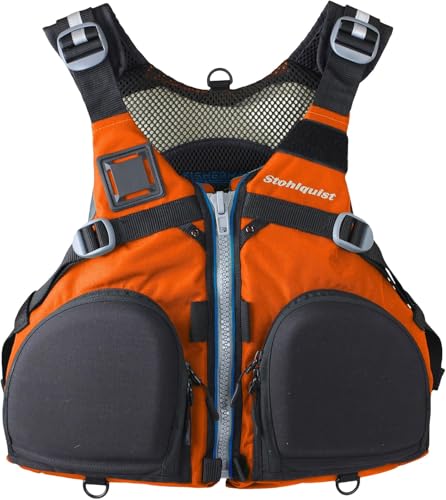
The biggest annoyance for kayakers is a vest that pushes against the back of the seat, forcing you into a slumped, uncomfortable posture. The Stohlquist Fit solves this by utilizing a high-back design, where the flotation foam sits above the seat back of your kayak. This allows you to sit flush against your boat, significantly reducing fatigue during long paddles.
This PFD is the perfect companion for recreational kayakers and anglers who want comfort without compromising on safety. Because it is specifically engineered for a seated position, it may feel slightly awkward if you are walking or standing in the water. If you spend your weekends in a sit-in kayak, this vest is worth every penny for the ergonomic upgrade alone.
NRS Ninja PFD for Whitewater Adventures
Stay safe and mobile on the water with the NRS Ninja PFD. This USCG approved life jacket offers reliable flotation and unrestricted movement, featuring a low-profile design with adjustable straps for a comfortable, secure fit. Durable recycled ripstop nylon construction and convenient front pockets ensure performance and practicality.

Whitewater requires a vest that is ultra-compact yet provides enough buoyancy to handle turbulent, aerated water. The NRS Ninja is legendary for its low-profile "chimney" design, which keeps the bulk away from your core so you can paddle hard without chafing. It also features a front pocket that is perfect for stashing a whistle or small safety tools.
This is a technical piece of equipment designed for paddlers who need to maneuver quickly in dynamic environments. It is not intended for casual beach lounging, as the fit is snug and performance-oriented. If you are heading into rapids or technical river sections, the Ninja is the reliable, high-performance choice you need.
Onyx M-24 Manual Inflatable Belt for SUP

Stand-up paddleboarding (SUP) often feels more like walking on water than a traditional sport, which leads many to skip wearing a vest entirely. The Onyx M-24 is a game-changer for those who find traditional foam vests too hot or restrictive. It wears like a slim fanny pack, staying out of your way until you manually pull the cord to inflate the bladder.
This vest is strictly for strong swimmers who are confident in calm, near-shore waters. Because it requires manual inflation, it offers zero buoyancy if you are knocked unconscious and cannot pull the cord. If you are a casual paddler looking for a "wearable" solution that doesn’t ruin your tan, this is an excellent choice, provided you understand its limitations.
Astral V-Eight PFD for Recreational Paddling

The Astral V-Eight is perhaps the most comfortable vest you will ever wear, thanks to its signature "breathable" mesh back. It excels at keeping you cool on hot, sunny days while providing enough buoyancy for flatwater paddling and leisurely lake trips. The mesh back also works exceptionally well with high-back recreational kayak seats.
This is the ultimate "all-day" vest for paddlers who value comfort above all else. It is not designed for high-impact sports like wakeboarding, as it lacks the heavy-duty impact protection of a dedicated competition vest. If you want a lightweight, breathable option for a relaxing afternoon on the lake, the V-Eight is the clear winner.
Mustang Survival MIT 100 for Offshore Boating
Stay safe on the water with the Mustang MIT 100 Convertible Inflatable PFD. This life jacket offers automatic or manual inflation for reliable buoyancy.
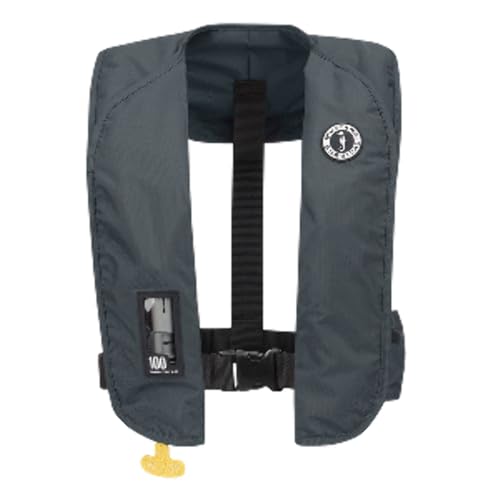
When you are miles from shore, you need a vest that prioritizes survival in rough, cold, or unpredictable conditions. The Mustang Survival MIT 100 is an inflatable PFD that provides a high level of buoyancy once deployed, ensuring your head stays well above the waterline. Its slim profile makes it easy to wear over foul-weather gear without adding unnecessary bulk.
This vest is specifically for boaters who need to comply with regulations while maintaining the ability to move freely on deck. It is not for swimming or water sports; it is a dedicated safety tool for powerboaters and sailors. If your boating takes you into open water, the MIT 100 provides the necessary peace of mind for the unexpected.
Proper Maintenance and Storage of Life Vests
Your life vest’s foam and fabric will degrade if left in the harsh sun or stored in a damp, dark locker. Always rinse your vest with fresh water after every use, especially after saltwater exposure, to prevent salt crystals from damaging the fabric. Hang it to dry in a shaded, well-ventilated area away from direct UV rays, which can rot the nylon over time.
Inspect your vests at the start of every season for signs of wear, such as fraying straps, broken buckles, or compressed foam. If the foam feels "crunchy" or lacks its original spring, the buoyancy is compromised and the vest must be replaced. Never use a vest as a seat cushion or boat fender, as this crushes the internal cells that keep you afloat.
Testing Your Life Vest for a Secure Fit
To ensure your vest is ready for action, put it on and fasten every buckle, starting from the waist and moving upward. Once secured, have a friend pull up on the shoulder straps while you relax your arms; if the vest slides up past your chin, it is too loose. A properly fitted vest should feel like a second skin, moving with your torso rather than against it.
When testing, perform a few movements you would actually do on the water, such as reaching for a paddle or mimicking a swimming motion. If you feel any pinching or significant restriction, adjust the side straps until you find the balance between security and comfort. A few minutes spent adjusting your gear on the shore can be the difference between a minor incident and a serious emergency on the water.
Investing in a high-quality, sport-specific life vest is the smartest decision you can make for your time on the water. By selecting gear that matches your activity and ensuring a perfect fit, you empower yourself to explore with confidence and safety. Always respect the water, keep your gear in top condition, and enjoy every moment of your next adventure.
