

6 Best Spotting Scope Tripod Mounts For Uneven Ground
Master uneven terrain with these 6 top-rated spotting scope mounts. Discover stable, adjustable designs ensuring clear, steady views on any rugged landscape.
Finding the perfect vantage point on a rocky shoreline often means compromising your glassing stability for a decent view. Without a reliable tripod, even the highest-end spotting scope will vibrate with every passing breeze or minor ground shift. This guide breaks down the best mounts to ensure your optics remain rock-solid, no matter how treacherous the terrain becomes.

Disclosure: As an Amazon Associate, this site earns from qualifying purchases. Thank you!
Why Stability Matters on Uneven Lake Shores
When you’re glassing a lake for waterfowl or tracking distant boats, the smallest tremor is magnified by your scope’s high magnification. On uneven lake shores, the ground is rarely flat; it’s a chaotic mix of shifting pebbles, exposed roots, and soft, saturated mud. A tripod that can’t compensate for these irregularities will leave you fighting constant image drift.
Stability isn’t just about avoiding a blurry image; it’s about reducing eye fatigue during long observation sessions. When your scope is locked down, you can scan the horizon for hours without developing a headache from micro-vibrations. Investing in a mount that anchors firmly to the earth is the single best way to improve your field experience.
Essential Features for Rugged Terrain Tripods
The most critical feature for uneven ground is independent leg angle adjustment. You need a tripod that allows each leg to splay at different angles, letting you "step" the legs over rocks or into crevices. Without this, you’re forced to find a perfectly flat spot that rarely exists on a natural shoreline.
Look for a robust center column mechanism or, better yet, a tripod that allows for low-angle shooting. A spiked foot option is also a game-changer; these metal tips dig into soft soil or grip onto slick rocks, providing a much higher level of friction than standard rubber feet. Always prioritize weight-to-load capacity ratios, as you want something light enough to hike with but heavy enough to resist wind gusts.
Manfrotto 055 Carbon Fiber: Best for Stability

The Manfrotto 055 is the gold standard for anyone who refuses to compromise on steadiness. Its rigid carbon fiber construction dampens vibrations significantly better than aluminum, making it ideal for high-magnification scopes. The Quick Power Lock levers are easy to manipulate even when your hands are cold or damp from the water.
This tripod is perfect for the stationary observer who sets up for hours at a time and wants absolute peace of mind. While it isn’t the lightest option on the market, the trade-off is a rock-solid platform that won’t budge. If you prioritize image clarity over portability, this is the mount you should be carrying.
Vanguard Alta Pro 263AB: Top Versatile Pick

If you find yourself constantly battling steep embankments, the Vanguard Alta Pro 263AB is your best friend. Its signature Multi-Angle Central Column allows you to move the scope into positions that standard tripods simply cannot reach. You can swing the column horizontally or vertically, which is incredibly helpful when you are perched on a narrow, uneven ledge.
This is the right choice for the creative observer who needs to adapt to rapidly changing shoreline contours. It offers a level of flexibility that makes it feel like a custom mount for every unique location. If you value versatility and the ability to get "the shot" from difficult angles, you will find this tripod indispensable.
Slik Pro 700 DX: Best for Heavy Scopes
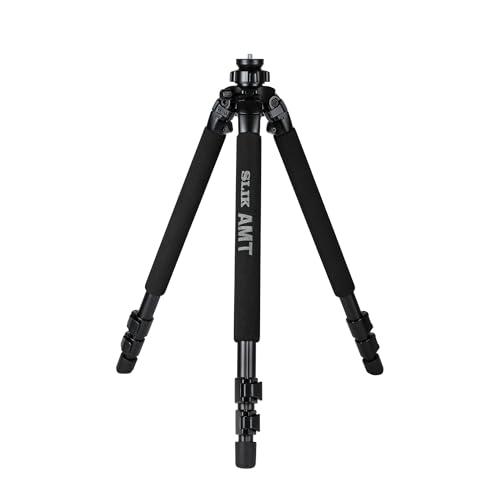
When you are using a large, heavy-duty spotting scope, you need a tripod that doesn’t buckle under the weight. The Slik Pro 700 DX is a beast of a tripod, built with large-diameter aluminum legs that offer incredible torsional rigidity. It is designed to handle the heaviest optics without wobbling, even in windy conditions.
This isn’t a tripod for the casual hiker, but it is the ultimate tool for the serious enthusiast who carries professional-grade glass. It feels substantial and reassuring, providing a platform that stays put regardless of the gear weight. If your scope is on the heavier side, stop looking elsewhere—this is the stable workhorse you need.
Gitzo Mountaineer Series: Premium Durability
The Gitzo Mountaineer is a masterclass in engineering, designed for those who demand the absolute best in materials and construction. Its Carbon eXact tubing is exceptionally stiff and lightweight, making it a joy to carry over long distances. The locking mechanisms are sealed against the elements, which is vital when working near splashing water or blowing sand.
This is a premium investment for the lifelong water enthusiast who wants a tripod that will last decades. It is expensive, but the durability and performance in harsh, uneven environments are unmatched. If you want a "buy once, cry once" piece of equipment that handles rugged terrain with ease, the Gitzo is your answer.
Benro Mach3 Aluminum: Great Value Selection

Not everyone needs to drop a small fortune to get a reliable tripod, and the Benro Mach3 is proof of that. It provides a fantastic balance of build quality and features, including high-grade aluminum legs and a very intuitive locking system. It handles uneven ground well, and the included spiked feet are a welcome addition for shoreline use.
This is the ideal pick for the budget-conscious observer who still wants a professional-feeling setup. It doesn’t have the extreme weight savings of carbon fiber, but it performs admirably in the field. If you want a dependable, no-nonsense tripod that leaves money in your pocket for other gear, the Benro is a smart choice.
Peak Design Travel Tripod: Best for Hiking
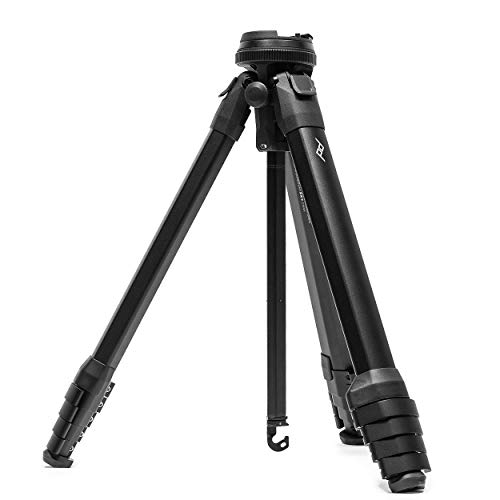
If your water recreation involves long treks to remote coves, the Peak Design Travel Tripod is a revelation. It collapses into a surprisingly slim package that fits easily into a side pocket of a backpack. Despite its compact footprint, it remains impressively stable once deployed on uneven ground.
This tripod is for the minimalist who hates carrying bulk but refuses to leave their scope behind. It is highly innovative and sets up faster than almost anything else on the market. If your priority is mobility and you need a tripod that disappears into your gear bag, you will love this design.
How to Level Your Tripod on Rocky Ground
- Extend one leg fully: Use your longest leg to compensate for the downhill slope, then adjust the other two shorter legs to find the balance point.
- Use a leveling base: If your tripod head doesn’t have a built-in bubble level, consider adding a leveling base; it allows you to adjust the horizon without changing the tripod leg height.
- The "Tripod Triangle": Always position one leg pointing directly downhill or toward the most significant obstacle to create a stable base of support.
- Check your feet: If you don’t have spikes, look for natural depressions in the rock to nest the tripod feet, which prevents them from sliding outward.
Maintaining Gear After Waterfront Exposure
Waterfront environments are notoriously harsh on gear, especially when salt or mineral-heavy lake water is involved. After every outing, wipe down your tripod legs with a damp, clean cloth to remove grit and salt residue. Never leave your tripod extended to dry; the inner mechanisms can trap moisture and lead to oxidation over time.
If you happen to submerge a leg in mud or sand, disassemble the locks once you are home to clean out the fine particles. A light application of silicone lubricant on the locking threads can keep everything moving smoothly for years. Taking ten minutes to clean your gear after a trip is the difference between a tripod that lasts five years and one that lasts twenty.
Choosing the right tripod is about understanding the specific challenges of your favorite shorelines and matching them to your gear’s capabilities. Whether you prioritize lightweight portability or heavy-duty stability, there is a mount here that will transform your observation experience. Invest in a solid foundation today, and you’ll spend less time fiddling with your gear and more time enjoying the view.
