6 Best Dock Ropes For Marine Use That Ensure Safety
Secure your vessel with our top 6 dock rope picks. Learn how material, diameter, and elasticity impact marine safety and ensure your boat stays protected.
Nothing ruins a perfect day on the water faster than returning to the dock only to find your vessel chafing against the pilings or drifting dangerously in the slip. Investing in high-quality dock lines is the most cost-effective insurance policy you can buy for your boat’s hull and your own peace of mind. Let’s break down the best options to keep your craft secure through every tide and storm.
Disclosure: As an Amazon Associate, this site earns from qualifying purchases. Thank you!
Understanding Marine Rope Types and Materials
When selecting dock lines, the material dictates how the rope handles the environment. Nylon is the gold standard for marine use because it possesses a natural elasticity, allowing it to stretch under load and absorb the shock of waves or passing wakes. This "give" prevents the cleats from ripping out of your deck and keeps your boat from jerking violently against the dock.
You will typically encounter two main constructions: three-strand and double braid. Three-strand rope is the traditional choice, offering excellent stretch and ease of splicing, though it can become stiff over time. Double braid consists of an inner core and an outer cover, providing superior strength and a smoother feel that is much kinder to your hands and your boat’s gel coat.
Choosing the Right Dock Rope Length and Diameter
A common mistake is buying ropes that are either too thin or unnecessarily thick for the boat size. As a general rule of thumb, you need 1/8 inch of diameter for every 9 feet of boat length, but always round up if you are in an area prone to heavy storms or strong currents. Using an oversized rope might sound safer, but it lacks the necessary stretch to dampen the boat’s movement, effectively turning your line into a rigid tether that can damage your hardware.
For length, your permanent dock lines should be roughly two-thirds the beam of your boat for side-ties, while spring lines should be at least equal to the length of your vessel. Always carry extra-long lines for transient docks where the tide range might be significant. Being prepared with the right dimensions ensures your boat stays centered in the slip without straining your cleats.
West Marine Double Braid Nylon: Best Overall
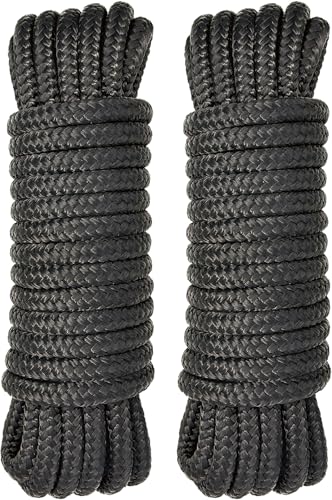

If you want a "set it and forget it" solution that balances strength, softness, and longevity, this is the gold standard. The double-braid construction makes it incredibly easy to handle, even when wet, and it resists the internal abrasion that often leads to premature failure in cheaper lines.
This rope is ideal for the weekend cruiser who wants a high-performance line that won’t stiffen up after a single season. Because it is so reliable, it serves as the perfect baseline for any slip. If you are looking for a professional-grade line that handles the daily grind of docking without breaking a sweat, this is the one you should buy.
SeaSense Solid Braid Nylon: Best Value Option
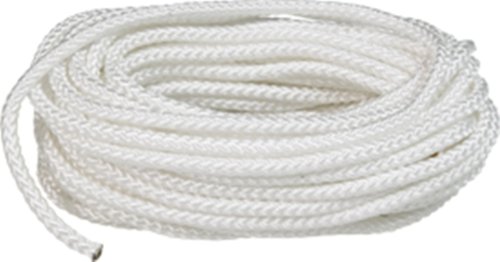
Not every boat needs a high-end, tournament-grade rope, especially if you are docking a small fishing skiff or a day boat in a protected marina. The SeaSense solid braid offers a functional, budget-friendly alternative that gets the job done without unnecessary frills. It is lightweight and easy to coil, making it a great choice for keeping in a locker as a secondary or temporary line.
While it lacks the heavy-duty shock absorption of more expensive double braids, it is perfectly suited for calm water and lighter vessels. If you are looking to outfit your boat on a budget and don’t anticipate extreme weather conditions, this is a smart, practical choice. It provides the security you need at a price that leaves room for other gear.
Taylor Made Tuff End Dock Line: Best Durability
When you are mooring in high-traffic areas or environments with significant tidal movement, you need a line that refuses to quit. The Taylor Made Tuff End series is engineered specifically to resist the harsh effects of UV rays and saltwater degradation, which are the two biggest enemies of marine rope. The construction is noticeably denser, providing a level of abrasion resistance that keeps the line intact even when rubbing against rough dock edges.
If you leave your boat in the water for extended periods throughout the season, this is the investment you need to make. The added durability means you won’t be replacing your lines every year, saving you time and money in the long run. For those who prioritize peace of mind during long absences from the dock, this is the clear winner.
Boat Lines by Just-For-Boats: Best Custom Fit

Sometimes, off-the-shelf lengths just don’t cut it, especially if you have a non-standard slip configuration or a unique boat setup. Just-For-Boats allows you to specify exact lengths and eye-splice configurations, ensuring that your lines are perfectly tailored to your vessel. This eliminates the excess rope that often clutters the deck and creates potential trip hazards.
This option is perfect for the boat owner who values a clean, professional look and wants to ensure their boat sits exactly where it should in the slip. By getting the measurements right the first time, you avoid the hassle of adjusting knots or dealing with too much slack. If you value precision and a custom aesthetic, this is the path to take.
Norestar Three-Strand Nylon: Best for Elasticity

There is a specific charm and utility to three-strand nylon that many experienced sailors still prefer. Norestar’s version is particularly well-made, offering a significant amount of "stretch" that acts as a natural shock absorber. This is incredibly beneficial in rougher waters where the boat is prone to constant surging.
I recommend this for boaters who need that extra bit of give to protect their deck hardware from high-stress loads. Because it is so flexible, it is also very easy to handle when you are trying to make a quick knot in a hurry. If you want a classic, reliable rope that prioritizes shock absorption above all else, look no further.
Attwood Dock Lines: Best for Small Watercraft

For runabouts, jet skis, and smaller center consoles, you don’t need a heavy-duty hawser that is difficult to manage. Attwood produces lines that are perfectly scaled for smaller cleats and lighter vessels, ensuring they don’t look or feel like overkill. They are soft, pliable, and incredibly easy to stow in tight compartments.
These lines are the go-to for the recreational boater who wants something simple, effective, and easy to use. They are not intended for heavy yachts, but for the average small boat, they provide exactly the right amount of security. If you want a no-nonsense, lightweight line for your daily excursions, these are a fantastic choice.
Proper Dock Cleat Knotting and Safety Tips
The best rope in the world is useless if you don’t know how to secure it properly. Always use a proper "cleat hitch," which involves a full turn around the base of the cleat followed by a series of figure-eights, finishing with a locking hitch. Never crowd a cleat with too many lines, as this makes it difficult to adjust or release in an emergency.
Always leave enough slack for the tide, but not so much that the boat can strike the dock during a wake. If you are in a location with heavy boat traffic, consider using "snubbers" or rubber compensators to further dampen the shock on your lines. Regularly check your lines for signs of chafe, especially at points where the rope passes through chocks or over rough corners.
Maintaining Your Dock Lines for Longevity
Even the best marine rope will eventually succumb to the elements if neglected. At the end of every season, rinse your lines with fresh water to remove salt crystals, which can act like sandpaper on the fibers over time. Let them air dry completely in a shaded area before storing them, as trapping moisture can lead to mildew and rot.
Keep an eye out for "hairy" spots on the rope, which indicate the outer fibers are beginning to break down. If you notice significant fraying or stiffening, it is time to retire the line; the cost of a new rope is nothing compared to the cost of a damaged hull. By treating your lines with care, you ensure they remain strong enough to protect your investment for years to come.
Securing your boat properly is the foundation of a stress-free boating season. By choosing the right material, diameter, and length for your specific vessel, you create a reliable barrier between your boat and the dock. Take the time to inspect your lines regularly, and you will enjoy many seasons of safe, worry-free time on the water.