

7 Fly Fishing Strike Indicators For Drifting Success
Master your drift with these 7 fly fishing strike indicators. Learn which tools optimize sensitivity and presentation for consistent success on the water.
Watching a tiny, vibrant bobber twitch against the current is one of the most exhilarating moments in fly fishing. These indicators act as your eyes beneath the surface, signaling the subtle take of a trout that would otherwise go unnoticed. Mastering their use is the single most effective way to turn a slow day on the water into a productive outing.
Disclosure: As an Amazon Associate, this site earns from qualifying purchases. Thank you!
Understanding Fly Fishing Strike Indicators
At its core, a strike indicator is a visual aid that suspends your flies at a specific depth and alerts you to fish strikes. By keeping your flies in the "strike zone"—the area near the riverbed where fish feed—you significantly increase your chances of a hookup. They also help manage your drift, ensuring your flies move at the same speed as the current to maintain a natural presentation.
Many beginners assume indicators are just "bobbers," but they are precision tools that affect your casting mechanics and drag. Choosing the right one depends heavily on water conditions, the weight of your flies, and how often you need to adjust your depth. Understanding these nuances is the difference between a tangled mess and a perfectly executed drift.
Thingamabobber: Best for High Visibility


If you are fishing turbulent, pocket-heavy water where you need to track your rig through whitecaps, the Thingamabobber is your go-to. Its hard, hollow plastic shell is incredibly buoyant and stands out like a beacon regardless of light conditions. It is virtually unsinkable, making it a reliable choice for heavy nymph rigs or double-fly setups.
The trade-off is that it can be a bit clunky to cast and doesn’t offer the subtle entry of softer materials. However, if your priority is keeping your flies visible and afloat in fast, choppy water, nothing beats this classic. It is the perfect workhorse for anglers who value durability and ease of use over delicate, stealthy presentations.
Air-Lock Strike Indicator: Best Adjustability

The Air-Lock is a game-changer for anglers who frequently change depths to match the changing bottom contours of a river. Its unique screw-on locking mechanism allows you to adjust it on your leader without kinking or damaging your tippet. This speed is invaluable when you move from a deep pool into a shallow riffle.
Because it attaches securely and stays put, you won’t find yourself constantly sliding it back into place. While it is slightly heavier than yarn, the convenience of the locking system outweighs the minor weight penalty for most nymphing scenarios. If you want a professional-grade tool that won’t fail you mid-drift, the Air-Lock is the clear choice.
Loon Outdoors Biostrike: Best Putty Option

Loon Outdoors Biostrike is a moldable, non-toxic putty that offers the ultimate in customization and stealth. You can pinch on exactly as much as you need, allowing you to fine-tune the size of your indicator to match the weight of your flies. It is incredibly sensitive, as it doesn’t create the same surface tension or splash as larger plastic indicators.
This product is ideal for technical, slow-moving water where spooky fish might be deterred by a large, bright bobber. You will need to reapply it occasionally as it can soften in extreme heat, but the ability to adjust your buoyancy on the fly is unmatched. It is a must-have for the minimalist angler who prefers a low-profile approach.
New Zealand Strike Indicator Tool System
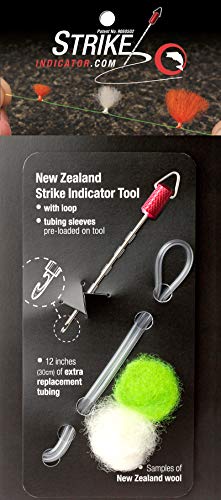
The New Zealand system uses a small piece of yarn held in place by a tiny, specialized rubber sleeve. This setup is widely considered the gold standard for sensitivity because it detects even the most microscopic "nudge" from a fish. It also casts beautifully, as the yarn creates very little wind resistance compared to hard plastic indicators.
The kit includes a tool that makes changing your indicator depth quick and effortless. While it requires a bit of practice to master the threading process, the reward is a highly professional, low-drag rig. If you are targeting selective trout in clear, calm water, this system is an essential addition to your vest.
Rio Products Indicator Tippet: Best Sensitivity

Rio’s Indicator Tippet isn’t a traditional bobber; it is a high-visibility, neon-colored monofilament that you incorporate directly into your leader. By using this as a "sighter," you can detect strikes by watching the line itself rather than a bulky floating object. This is the cornerstone of "tight-line" or Euro-nymphing techniques.
This method is for the angler who wants to eliminate all unnecessary gear and stay in direct contact with their flies. It requires more focus and active rod management, but it offers the highest level of sensitivity available. If you are ready to take your nymphing to the next level, this is the path to take.
Frog Hair Quick Release Indicators for Ease
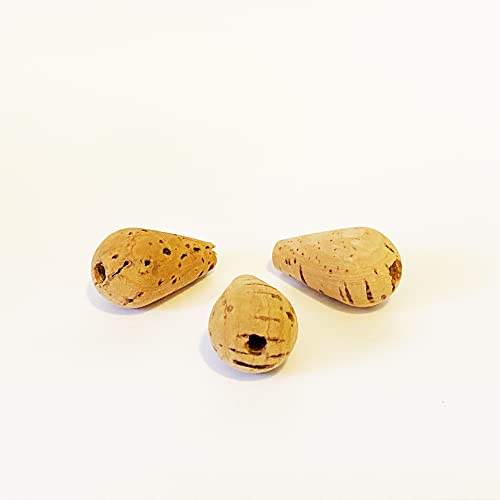
Frog Hair Quick Release indicators are designed for anglers who prioritize speed and convenience on the water. They feature a simple, clip-on design that allows you to attach or remove them in seconds without re-tying your leader. This is particularly helpful when the wind picks up or you need to switch from nymphing to dry fly fishing instantly.
While they may not be as robust as a screw-on indicator, they are plenty strong for standard trout fishing. They provide good visibility and enough buoyancy for most single-nymph rigs. These are perfect for the recreational angler who wants to spend more time fishing and less time fiddling with gear.
Yarn Indicators: Best for Stealthy Presentations
Yarn indicators are the quietest, most natural-looking option for presenting flies to wary fish. They land softly on the water, preventing the "plop" that often scares away larger, older trout in shallow pools. They are also incredibly effective at detecting subtle strikes, as the yarn moves easily with the slightest tension.
The main challenge is that they can become waterlogged over time, requiring you to use a floatant to keep them buoyant. They are also less visible in heavy, broken water compared to plastic alternatives. However, for the angler focused on technical, sight-fishing scenarios, the stealth of yarn is an unbeatable advantage.
Choosing the Right Indicator for Water Flow
Matching your indicator to the water flow is a fundamental skill for successful nymphing. In deep, fast, or turbulent water, you need high-buoyancy, high-visibility options like the Thingamabobber or Air-Lock to keep your flies down and visible. These indicators provide the necessary leverage to keep a heavy rig tracking correctly through complex currents.
Conversely, in slow, clear, or shallow water, prioritize low-profile and lightweight options like yarn or putty. Large, bright indicators will often spook fish in these conditions, and you don’t need excessive buoyancy for lighter, smaller flies. Always evaluate the speed and depth of your run before selecting your gear to ensure your presentation remains natural.
Maintaining Your Indicators for Best Results
Even the best indicator will underperform if it isn’t maintained properly during your session. For yarn indicators, keep a small bottle of gel floatant handy to treat them periodically, ensuring they stay on the surface. For plastic indicators, periodically check the locking mechanisms or attachments to ensure they haven’t slipped or frayed your tippet.
Furthermore, always inspect your leader where the indicator attaches, as this is a common point of failure for knots and abrasions. Replacing a damaged section of tippet before it snaps is far better than losing a trophy fish. Treat your indicators as precision equipment, and they will consistently help you detect strikes and land more fish.
Selecting the right strike indicator is all about matching your gear to the specific conditions of the river. Whether you prioritize the visibility of a Thingamabobber or the stealth of yarn, the goal remains the same: keeping your flies in the strike zone. Experiment with these options, stay observant of the water, and you will undoubtedly find more success on your next trip.
