

7 Best Fishing Rods For Lake Trout For Deep Water Trolling
Targeting deep-water lake trout requires precision. Explore our top 7 trolling rod picks designed for sensitivity, durability, and superior fish control.
Deep water lake trout fishing is a game of patience, precision, and finding the perfect thermal layer where these giants reside. When you are trolling at extreme depths, your rod serves as the critical bridge between your lure’s action and the subtle strike of a trophy fish. Selecting the right tool for this specific challenge can be the difference between a successful outing and a day of missed opportunities.
Disclosure: As an Amazon Associate, this site earns from qualifying purchases. Thank you!
Understanding Deep Water Lake Trout Tactics
Lake trout are notorious for seeking out cold, oxygen-rich water, which often means chasing them into the depths during the heat of the summer. Trolling in these conditions requires specialized rigs like downriggers, lead core line, or copper wire to get your presentation down to the strike zone. Because you are often dealing with heavy weights, the rod must be stout enough to handle the drag while remaining flexible enough to signal a strike.
The key to success lies in the rod’s ability to load up under pressure without sacrificing sensitivity. You are not just fighting the fish; you are fighting the resistance of the water and the heavy terminal tackle required to reach the bottom. A rod that is too stiff will pull the hooks out of the fish’s mouth, while one that is too soft will fail to provide the necessary hook-setting power.
Essential Gear for Deep Water Lake Trout
To effectively target deep-water lakers, you need a setup that balances strength with ergonomics. Your reel should have a high line capacity and a reliable drag system, as lake trout are known for their powerful, deep runs. Pair this with a rod that features high-quality guides, as the friction from heavy lines can quickly degrade inferior components.
Beyond the rod and reel, consider the importance of rod length. Longer rods, typically between 7 and 9 feet, provide a wider spread when running multiple lines, which helps prevent tangles. Always ensure your gear is rated for the specific weight of the lures and weights you intend to pull, as overloading a rod is the fastest way to ruin your day on the water.
Shimano Talora Trolling: The Versatile Choice


The Shimano Talora is widely considered the gold standard for anglers who want a rod that can do it all. It features a high-modulus graphite construction that offers incredible strength without the typical weight associated with heavy-duty trolling gear. If you are the type of angler who switches between downriggers and dipsey divers, this is the rod for you.
The action on the Talora is designed to provide a perfect parabolic bend, which helps keep constant pressure on the fish during the fight. It is a premium investment, but the durability and performance it provides are unmatched for serious trollers. If you want a reliable workhorse that won’t let you down when a double-digit trout hits, the Talora is your best bet.
Okuma Classic Pro GLT: Best Value Rod Option

If you are looking to outfit a full boat without breaking the bank, the Okuma Classic Pro GLT is the standout choice. These rods are purpose-built for the specific demands of Great Lakes trolling, featuring durable blanks and stainless steel guides. They aren’t the lightest rods on the market, but they are built to take a beating in a rod holder.
The GLT series offers a variety of actions tailored to different trolling methods, from lead core to copper. It is an ideal entry-point for anglers who are just starting to explore deep-water tactics and need gear that performs consistently. You get a lot of rod for the money, making it a smart choice for building a comprehensive trolling spread.
Daiwa Wilderness Trolling: Durable Selection

The Daiwa Wilderness series is designed for the angler who prioritizes longevity and rugged construction. These rods feature a composite blank that provides a great balance of backbone and flex, ensuring you can handle heavy weights while still feeling the vibration of your spoon or plug. They are excellent for long days on the water where gear is constantly being handled and stowed.
I recommend the Wilderness for anglers who want a "set it and forget it" rod. It isn’t the most high-tech option, but it is incredibly resilient against the wear and tear of saltwater or heavy freshwater use. If you prioritize gear that will last for seasons of heavy trolling, this is a solid, no-nonsense selection.
Ugly Stik Bigwater: Top Rod for Sensitivity
When it comes to pure toughness, the Ugly Stik Bigwater is legendary for a reason. Its signature Howald Process construction makes it nearly indestructible, which is a huge advantage when you are hauling heavy weights up from 100 feet deep. The clear, sensitive tip is particularly useful for detecting the subtle "thump" of a lake trout before it fully commits to the strike.
This rod is perfect for the angler who is hard on their gear or fishes in rough conditions where a rod might get bumped or dropped. It provides a level of confidence that few other rods can match. If you want a rod that offers a soft enough tip to see the action but enough power to winch up a giant, the Bigwater is the one.
Fenwick Eagle Trolling: Premium Performance

Fenwick has long been a name associated with quality, and their Eagle Trolling series lives up to that reputation. These rods feature premium components, including high-quality guides and comfortable cork handles that provide a secure grip even when wet. The action is incredibly refined, providing a smooth transition from the tip to the backbone.
This rod is for the angler who appreciates the finer details and wants a premium feel in their hands. It is light enough to hold for extended periods but powerful enough to handle the deep-water pressure. If you are looking for a performance upgrade to improve your hook-up ratios, the Fenwick Eagle is a clear winner.
Shakespeare Alpha: Best Rod for Beginners
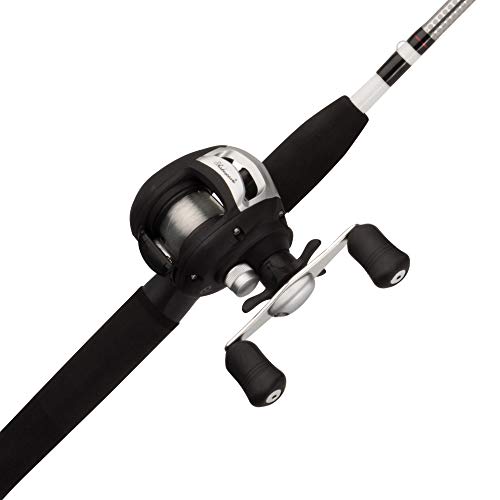
The Shakespeare Alpha is the ultimate budget-friendly option for those just testing the waters of deep-water trolling. It is simple, effective, and gets the job done without any unnecessary bells and whistles. While it may not have the sensitivity of a high-end graphite rod, its fiberglass construction is incredibly forgiving for beginners learning to set the hook.
This rod is ideal for casual trips or for outfitting a boat for guests who might not be as experienced with specialized gear. It is an affordable way to get into the sport without over-committing financially. If you need a reliable, basic tool to get your lure into the strike zone, the Alpha is a practical choice.
Penn Fathom Trolling: The Heavy-Duty Pick

The Penn Fathom is built for the angler who targets trophy-sized lake trout in extreme conditions. This is a heavy-duty rod designed to handle maximum drag pressure and heavy lead weights with ease. It features a stiff, powerful backbone that allows you to control a large fish and keep it away from the boat’s motor or downrigger cables.
This rod is not for the faint of heart; it is a serious tool for serious fishing. If you find yourself consistently targeting deep water and need a rod that can handle the most taxing conditions, the Fathom is your go-to. It is a powerful, uncompromising piece of equipment for the dedicated angler.
Proper Rod Maintenance for Lake Trolling
Even the best rod will fail if it isn’t cared for properly, especially when subjected to the stress of deep-water trolling. Always rinse your rods with fresh water after every trip, particularly if you are fishing in brackish water or areas with high mineral content. Salt and debris can quickly corrode guides and degrade the rod’s finish.
Inspect your guides regularly for microscopic cracks or wear, as these can fray your line and lead to a lost fish at the worst possible moment. When storing your rods, use a vertical rack or hanging system to prevent the blanks from developing a permanent set or bend. Taking five minutes to clean and inspect your gear after a trip ensures that your equipment is ready for the next big bite.
Mastering the depths of a lake requires a combination of the right gear and a firm understanding of the environment. By choosing a rod that matches your specific trolling style and maintaining it with care, you set yourself up for consistent success on the water. Get out there, dial in your depth, and enjoy the rewarding challenge of chasing deep-water lake trout.
