

7 Best Swim Goggles For Triathlons For Open Water
Master open-water swimming with our guide to the 7 best triathlon goggles. Discover top picks for visibility, comfort, and durability in challenging swims.
Standing at the water’s edge on race morning, the chaos of hundreds of swimmers churning the surface can be overwhelming. Your goggles are your only window into that environment, serving as your primary navigation tool amidst the rising sun and choppy waves. Choosing the right pair isn’t just about comfort; it is about maintaining your composure and staying on the fastest line to the finish.
Disclosure: As an Amazon Associate, this site earns from qualifying purchases. Thank you!
Roka R1 Goggles: Best for Peripheral Vision
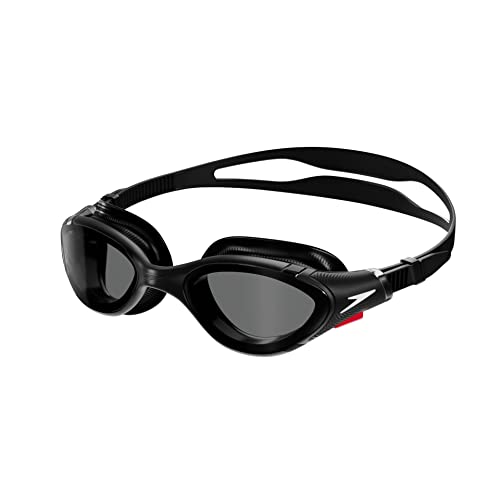

When you are fighting for space in a crowded mass start, being able to see the swimmers around you without turning your head is a massive advantage. The Roka R1 utilizes a unique lens geometry that wraps further around the face, virtually eliminating the "tunnel vision" common in traditional racing goggles.
This design allows you to track buoys and competitors with minimal neck movement, keeping your stroke rhythm smooth and efficient. If you are a triathlete who struggles with sighting or feels claustrophobic in standard goggles, the R1 is your best bet. It is an investment in clarity that pays off the moment you dive into the open water.
Aqua Sphere Kayenne: Top Choice for Comfort
The Aqua Sphere Kayenne has become a gold standard in the triathlon world for a reason: the oversized lens shape offers unmatched visibility while the gasket sits comfortably away from the sensitive eye socket. Many swimmers find that traditional goggles leave painful rings around their eyes, but the Kayenne’s soft, hypoallergenic silicone skirt distributes pressure evenly across the forehead and cheekbones.
Because of this superior seal, you can wear these for hours during long training sessions without irritation. If you prioritize comfort above all else and want a pair of goggles that you can essentially "set and forget" on race morning, the Kayenne is the clear winner. It is the most reliable, low-maintenance option for athletes who want to focus on their stroke rather than their gear.
TYR Special Ops 2.0: Best for Glare Control
Open water swimming often means staring directly into the sun during the early morning hours, which can turn a simple sighting turn into a guessing game. The TYR Special Ops 2.0 features polarized lenses that filter out reflected light, significantly reducing the harsh glare off the water’s surface. This allows you to spot buoys clearly, even when the sun is low on the horizon.
Beyond the optics, the low-profile frame is hydrodynamic, making it a great choice for faster swimmers who don’t want extra drag. If your race course involves swimming straight into the sun, the Special Ops 2.0 is an essential piece of equipment. It provides the visual confidence you need to swim straight and avoid the dreaded "zig-zag" path.
Zoggs Predator Flex: Best for All-Day Wear
Enjoy comfortable vision with Zoggs Predator Flex swim goggles. Featuring a custom fit with anti-fog and UV protection, plus a quick-adjust strap for hassle-free wear.

The Zoggs Predator Flex is engineered with a unique "4 Flexpoint" technology, allowing the frame to contour perfectly to the specific shape of your face. This flexibility ensures that the seal remains unbroken even when you are smiling, breathing, or moving your face during a long, grueling endurance swim. It is arguably the most adaptable goggle on the market today.
Because they accommodate such a wide variety of facial structures, these are perfect for triathletes who have struggled to find a pair that doesn’t leak. If you are looking for a reliable, "do-it-all" goggle that feels like a second skin during a half-Ironman, the Predator Flex is the gold standard. You can trust these to stay put from the starting horn until you hit the transition mat.
View V1000 Swift: Best for Custom Fitting
For athletes with unique facial features or those who are tired of one-size-fits-all frustration, the View V1000 Swift offers a sophisticated solution. These goggles come with multiple nose bridge sizes and an adjustable strap system that allows you to dial in the fit with surgical precision. It is rare to find this level of customization in an off-the-shelf product.
The result is a goggle that feels bespoke, minimizing the chance of water ingress during high-intensity efforts. If you have a narrower or wider face and have been burned by other brands in the past, this is the pair that will finally provide a secure, leak-free experience. It is a high-performance tool for the athlete who demands total control over their equipment.
Finis Circuit 2: Best for Low-Light Racing

Not every triathlon takes place under a bright, cloudless sky; sometimes you are racing in overcast conditions, early dawn, or even darker lake water. The Finis Circuit 2 is designed with specialized lenses that enhance contrast and brightness in low-light environments. This makes it much easier to distinguish between the murky water and the colored buoys ahead of you.
The frame is compact and sleek, offering a wide field of view without the bulk of larger recreational goggles. If you are training in the early morning or competing in a race with unpredictable weather, these are an essential addition to your kit. They turn a gloomy, difficult sighting environment into a clear, manageable course.
Barracuda Fenix: Best for Leak Prevention
The Barracuda Fenix is built for the triathlete who is tired of stopping mid-swim to clear water out of their goggles. Its signature "TriFusion" gasket technology uses a soft, tacky material that grips the skin gently but firmly, creating an airtight seal that is nearly impossible to break. It is arguably the most secure goggle for aggressive, choppy open water conditions.
While the seal is incredibly strong, it doesn’t require overtightening the straps, which helps avoid the dreaded "raccoon eyes" post-race. If your biggest fear is a leaky goggle ruining your focus during the swim leg, the Fenix provides the ultimate peace of mind. It is a robust, no-nonsense choice for those who value reliability above all else.
Choosing the Right Lens Tint for Open Water
- Smoke/Dark Tints: Ideal for bright, sunny days and high-glare conditions, as they reduce overall brightness and prevent eye fatigue.
- Mirrored Tints: Excellent for direct sunlight and reflective surfaces, providing a sharp, clear view by bouncing away intense light.
- Clear/Light Tints: Best for overcast days, indoor pools, or early morning starts where you need to maximize the amount of light reaching your eyes.
- Blue/Amber Tints: These help increase contrast, making it easier to spot buoys against a busy background of water and sky.
Proper Maintenance for Triathlon Goggles
To keep your goggles performing at their peak, never touch the inside of the lenses with your fingers, as the oils from your skin can degrade the anti-fog coating. Always rinse them thoroughly with fresh, cold water immediately after your swim to remove salt, chlorine, or lake debris. Letting them air dry in a shaded area is far better than leaving them in a hot car or direct sunlight, which can warp the silicone.
If you find that your anti-fog coating is wearing off, avoid using harsh chemicals or abrasive cleaners. Instead, use a dedicated anti-fog spray or a tiny drop of baby shampoo, buffing it gently with a soft cloth before rinsing. By treating your goggles with care, you ensure they remain a reliable, crystal-clear asset for every race on your calendar.
Gently cleanse your baby's hair and scalp with Johnson's Tear-Free Baby Shampoo. The mild formula washes away dirt and germs while being free of parabens, phthalates, sulfates, and dyes.

Ensuring a Secure Fit for Race Day Safety
A secure fit starts with the "suction test" before you even put the straps on: press the goggles against your eyes; if they hold for a second or two without the strap, you have found a good match for your face shape. When you do tighten the straps, remember that "tighter" does not mean "better." Over-tightening leads to discomfort and can actually pull the gasket away from your face, causing the very leaks you are trying to avoid.
Position the strap high on the back of your head, rather than low near your neck, to ensure the goggles stay in place during a chaotic race start. Take a moment during your warm-up to adjust the nose bridge and strap tension while in the water, as the material will often expand slightly once it hits the temperature of the lake. A well-adjusted pair of goggles is your first line of defense against race-day anxiety, allowing you to breathe easy and swim with confidence.
Selecting the right goggles is a balance of finding the lens tint that matches your race conditions and the frame shape that fits your unique anatomy. By investing in a high-quality pair that you have tested in training, you eliminate one of the biggest variables of race morning. Trust in your gear, stay calm in the water, and enjoy the rhythm of your swim.
