

6 Best Pool Rollers For Even Coats For Pro Results
Achieve a streak-free finish with our top six pool rollers. This guide highlights the best tools for professional, even coverage on every painting project.
Nothing ruins a perfect summer afternoon faster than peeling, uneven pool paint that catches on your skin or looks unsightly under the water. Achieving a professional-grade finish isn’t just about the quality of your epoxy; it’s about the tool you use to apply it to the concrete. Choosing the right roller is the secret weapon that separates a DIY disaster from a backyard oasis.
Disclosure: As an Amazon Associate, this site earns from qualifying purchases. Thank you!
Why Quality Rollers Matter for Pool Painting
When you’re dealing with specialized pool coatings, the roller is your primary interface between the paint and the substrate. A cheap, bargain-bin roller will shed fibers into your wet epoxy, leaving behind a gritty, textured surface that feels like sandpaper against your feet. Quality rollers ensure that the paint is distributed evenly, preventing the "holidays" or thin spots that lead to premature blistering and peeling.
Using a high-end roller also drastically improves your efficiency and physical comfort. Professional tools are designed to hold more paint, meaning fewer trips to the tray and a more consistent pressure application across the entire pool floor. Investing a few extra dollars in the right hardware saves you from the frustration of having to sand down and repaint sections that didn’t cure properly.
Wooster Sherlock 9-Inch Roller for Smooth Coats


If you want a flawless, mirror-like finish on your pool floor, the Wooster Sherlock is the industry standard for a reason. Its high-density fabric is engineered to release paint smoothly without leaving behind those annoying "stipple" marks that often plague lesser rollers. It’s my top recommendation for homeowners who are using premium epoxy coatings and want that professional, glass-smooth aesthetic.
The frame stability of the Sherlock is what truly sets it apart, as it resists flexing even when you’re applying firm pressure to reach deep into the pool cove. If you are coating a large, flat surface and demand perfection, this is the tool to reach for. Don’t waste your time with flimsy alternatives; the Sherlock is worth every penny for the time it saves on touch-ups.
Purdy White Dove Roller for Fine Pool Finishes
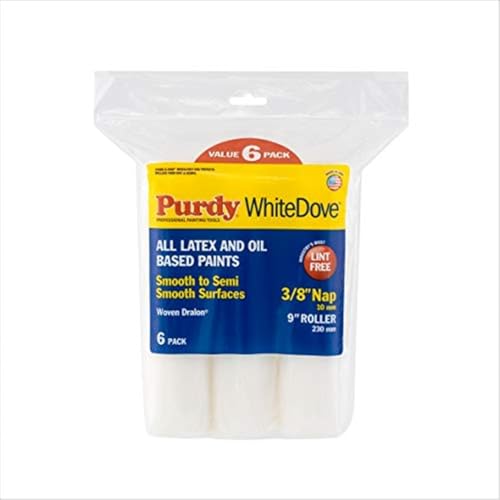
The Purdy White Dove is essentially the gold standard for high-end finishes, particularly when you’re working with thinner, high-gloss pool paints. Its unique Dralon blend fabric is incredibly soft, which allows it to lay down paint with an almost spray-like precision. If you are worried about visible roller marks or streaks, the White Dove is your best insurance policy.
This roller is ideal for those who prefer a more controlled, slower application process to ensure maximum coverage. While it doesn’t hold as much volume as a heavy-duty shed-resistant roller, the trade-off is a superior, refined finish that looks like it was applied by a pro crew. If you prioritize aesthetics above all else, the White Dove is the only choice.
Contractor Series Microfiber Roller for Epoxy

Epoxy coatings are notoriously thick and can be difficult to spread evenly, which is where the Contractor Series Microfiber roller shines. The microfiber material is specifically designed to handle heavy-bodied coatings, picking up a massive amount of paint and releasing it with uniform consistency. It’s the workhorse you need when you’re tackling a large resurfacing project in record time.
The key advantage here is the fiber density, which prevents the "matting" that happens when cheaper rollers get saturated with heavy epoxy. It’s perfect for the DIYer who wants to get the job done quickly without sacrificing the integrity of the paint layer. If you’re using a high-build epoxy, skip the standard poly-blend and go straight to microfiber.
Sherwin-Williams Pro-Dura Roller for Coverage

Sometimes you need a roller that can handle the rougher, pitted surfaces of an older concrete pool. The Sherwin-Williams Pro-Dura is built for durability and high-capacity loading, making it excellent for working paint into small cracks and porous areas. It offers a balance of toughness and smoothness that makes it a versatile addition to any pool project.
I recommend this roller specifically for those who are applying multiple coats or working on a pool that hasn’t been resurfaced in a decade. It’s robust enough to handle the friction of rough concrete without falling apart mid-job. If you need a reliable, do-it-all roller that won’t quit on you, the Pro-Dura is a solid, dependable choice.
Wooster Pro Jumbo-Koter for Tight Pool Corners
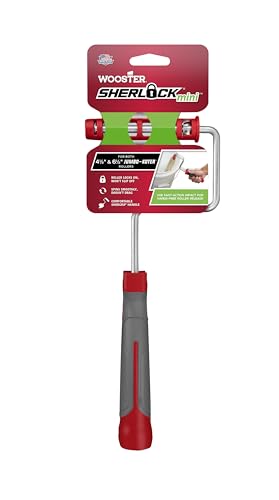
Every pool has those tricky spots—the curved coves, the steps, and the tight corners—where a standard 9-inch roller just won’t fit. The Wooster Pro Jumbo-Koter is a smaller, agile roller designed to get into these nooks and crannies with ease. Using this alongside your main roller ensures you don’t have to sacrifice quality in the hard-to-reach areas of the pool.
It’s compact, lightweight, and incredibly easy to maneuver, which prevents the fatigue that sets in when you’re trying to force a full-sized roller into a tight curve. Never try to "make do" with a large roller in a small space; you’ll end up with uneven paint buildup that looks sloppy. For a professional finish, the Jumbo-Koter is an essential secondary tool.
Linzer Synthetic Blend Roller for Durability

The Linzer Synthetic Blend is a fantastic option for those who want a reliable, middle-of-the-road roller that won’t break the bank. It features a blend of fibers that provides decent paint pickup and a smooth finish, making it suitable for standard pool paints and chlorinated rubber coatings. It’s a great "all-rounder" for someone who isn’t looking for a specialized high-gloss finish.
While it might not have the extreme finesse of a Purdy or the heavy-duty capacity of a microfiber roller, it is remarkably resistant to shedding. It’s a practical choice for the budget-conscious project where you still want a clean, professional result. If you’re a first-time painter, the Linzer is a very forgiving and user-friendly starting point.
Preparing Your Pool Surface for Even Rolling
No matter how high-quality your roller is, it will fail if your surface isn’t properly prepped. You must start by deep-cleaning the concrete with a degreaser and acid-washing to remove mineral deposits and old, chalky paint. If the surface is dusty or greasy, the paint will never bond, and your roller will just push debris around rather than laying down a smooth coat.
After cleaning, ensure the pool is completely dry for at least several days before you start applying your first coat. Moisture trapped in the concrete is the enemy of epoxy, and even the best roller can’t fix a surface that is damp. A clean, bone-dry, and slightly etched surface is the only foundation for a long-lasting, professional finish.
Proper Roller Nap Selection for Pool Coatings
The "nap" refers to the length of the fibers on the roller cover, and choosing the wrong one is a common mistake. For smooth, new, or well-sanded concrete, a 3/8-inch nap is usually sufficient to provide a sleek, uniform finish. If your pool surface is older, rougher, or has significant texture, you will need to step up to a 1/2-inch or even 3/4-inch nap to ensure the paint reaches into the pits and pores.
Using a nap that is too short for a rough surface will result in missed spots, while a nap that is too long on a smooth surface will create an orange-peel texture. Always match your nap to the porosity of your concrete. When in doubt, lean toward a slightly longer nap to ensure full coverage, as you can always smooth it out with a lighter touch.
Techniques for a Professional Pool Finish
When you begin rolling, always start at the deep end and work your way toward the shallow end to avoid painting yourself into a corner. Use a "W" or "M" pattern to distribute the paint evenly before filling in the gaps with light, vertical strokes. This technique ensures that you aren’t leaving heavy ridges of paint, which are prone to peeling later on.
Maintain a "wet edge" at all times, meaning you should always overlap your previous stroke while the paint is still tacky. If you let the edge dry before you move to the next section, you will create visible lines and lap marks that are impossible to hide. Work in manageable sections, keep your roller well-loaded, and don’t overwork the paint once it begins to set.
Taking the time to select the right roller and applying the paint with care is the difference between a pool that looks like a weekend project and one that looks brand new. With the right gear in hand, you can achieve a durable, professional finish that will keep your water looking crystal clear for seasons to come. Now, grab your gear, prep that surface, and get ready to enjoy your transformed backyard retreat.
