6 Best Pool Deck Caulks For Concrete Cracks To Seal Gaps
Seal concrete gaps effectively with our top 6 pool deck caulks. Learn which durable, flexible, and waterproof sealants best protect your surface from damage.
There is nothing quite like the feeling of a perfect summer afternoon spent lounging by the pool, but those jagged concrete cracks can quickly turn a backyard oasis into a safety hazard. Protecting your pool deck isn’t just about aesthetics; it is a critical step in preventing long-term structural damage to your pool shell and surrounding landscaping. By sealing these gaps now, you are saving yourself from expensive repairs and ensuring your deck remains a safe, slip-free zone for the whole family.
Disclosure: As an Amazon Associate, this site earns from qualifying purchases. Thank you!
Why Pool Deck Maintenance Is Essential
A pool deck is constantly subjected to the harsh realities of water, chemicals, and extreme temperature fluctuations. Over time, these stressors cause the concrete to expand and contract, leading to cracks that act as gateways for water to seep into the sub-base. If left unaddressed, this moisture can wash away the soil beneath your deck, leading to uneven settling or even catastrophic slab failure.
Beyond the structural risks, neglected cracks are a breeding ground for weeds, ants, and algae. They also create tripping hazards that can turn a fun day of swimming into a trip to the urgent care clinic. Proactive maintenance is the hallmark of a responsible pool owner who values both the longevity of their investment and the safety of their guests.
Identifying Common Concrete Deck Cracks
Not all cracks are created equal, and understanding the difference is key to choosing the right fix. Hairline cracks are typically cosmetic, often caused by minor shrinkage during the initial curing of the concrete. While they might not be an immediate structural threat, sealing them prevents them from widening into more significant issues during the freeze-thaw cycles of winter.
Structural cracks, on the other hand, are wider, deeper, and often show signs of uneven elevation between the two sides of the gap. These indicate that the underlying soil may be shifting, and while a sealant will help, you might need a professional to assess if there is a deeper foundation problem. Always look for signs of "spalling," where the concrete edges around the crack are crumbling, as this requires extra attention during the prep phase.
Sikaflex Self-Leveling Sealant for Durability
If you are looking for the gold standard in pool deck repair, Sikaflex Self-Leveling Sealant is usually the first name that comes to mind. This polyurethane-based product is designed to flow into horizontal cracks, creating a smooth, professional-looking finish without the need for extensive tooling. It is incredibly flexible, meaning it will move with your concrete as the temperature shifts throughout the seasons.
This is the perfect choice for the DIY homeowner who wants a "set it and forget it" solution. Because it is highly resistant to pool chemicals and UV rays, it won’t break down or yellow after a few months in the sun. If you have deep expansion joints that need a reliable, long-term seal, this is the product you should reach for.
Sashco Slab Concrete Joint Sealant Features


Sashco Slab is a fantastic alternative if you are worried about the sealant adhering to the sides of your joint rather than just filling the gap. It features superior "joint movement" capabilities, making it ideal for areas that experience significant shifting or thermal expansion. Its textured finish is also a major plus, as it blends in much better with the natural look of concrete than the overly glossy finish of some other sealants.
I recommend this for anyone dealing with larger gaps where a standard sealant might shrink or pull away from the edges. It is a bit more forgiving during application, allowing you to work at a steadier pace. If you prioritize a natural, seamless look for your deck, Sashco is a top-tier contender.
Quikrete Polyurethane Crack Sealant Review

Quikrete is a household name for a reason, and their polyurethane crack sealant is a dependable workhorse for the average pool deck. It is specifically formulated to be water-resistant and durable, making it a great choice for areas directly adjacent to the water line. It adheres well to concrete and provides a tough, rubbery seal that keeps moisture out of the sub-base.
This sealant is best suited for the budget-conscious owner who doesn’t want to sacrifice performance for price. It is straightforward to apply and readily available at most hardware stores. While it may not have the same level of elasticity as some professional-grade, two-part systems, it is more than capable of handling standard residential crack maintenance.
Loctite PL S30 Polyurethane Concrete Filler
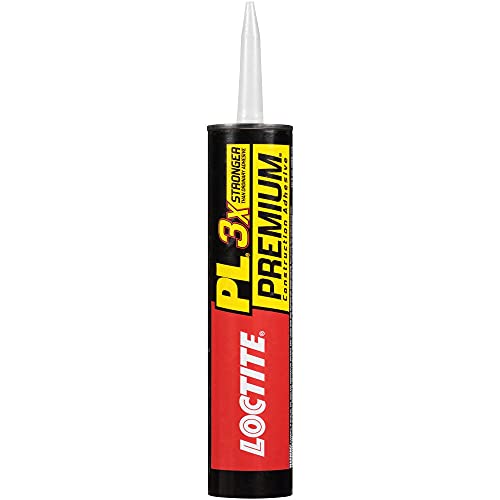
Loctite PL S30 is a high-performance sealant that excels in extreme weather conditions. It remains flexible in cold temperatures and won’t soften or run when the summer heat hits triple digits. Its ability to bond to damp surfaces is a significant advantage, as we all know that pool decks are rarely bone-dry when you finally get around to maintenance.
This product is for the homeowner who lives in a climate with wild temperature swings. You don’t have to worry about it cracking or peeling when the seasons change, as its high-grade polyurethane formula is built for resilience. If you want a product that offers industrial-strength protection in a user-friendly tube, the Loctite PL S30 is a solid, reliable investment.
Deck-O-Seal Two-Part Polysulfide Sealant

Deck-O-Seal is the professional’s choice, and for good reason—it is a two-part polysulfide system that provides the ultimate watertight bond. Because it is a chemical-curing sealant, it offers unparalleled adhesion and longevity that single-component tubes simply cannot match. It is the industry standard for sealing expansion joints in commercial and high-end residential pools.
You should choose this if you are tackling a major renovation or if your pool deck joints are consistently submerged or under heavy stress. It requires a bit more effort to mix and apply, but the result is a permanent, flexible seal that will last for years. If you want the absolute best performance and are willing to put in the extra prep work, go with Deck-O-Seal.
BASF MasterSeal NP1 for Expansion Joints

BASF MasterSeal NP1 is a high-grade, single-component polyurethane sealant that is widely used in commercial construction. Its claim to fame is its incredible "pick resistance" and its ability to maintain a seal under constant movement. It is a fantastic option for expansion joints that see a lot of foot traffic or heavy furniture usage.
This is the right choice for the homeowner who wants a commercial-grade product that is easy to apply from a standard caulk gun. It is exceptionally durable and resists the harsh chemical environment of a pool deck with ease. If you need a reliable, heavy-duty sealant that stands up to constant use, MasterSeal NP1 is a proven winner.
Proper Surface Prep Before Application
No matter how high-quality your sealant is, it will fail if the surface isn’t prepped correctly. You must clear out all loose concrete, dirt, and old, decaying caulk from the crack using a wire brush or a screwdriver. A clean, debris-free surface is the only way to ensure the sealant can bond directly to the concrete.
After cleaning, use a vacuum to suck out any remaining dust from deep within the crack. If the gap is very deep, you should insert a "backer rod"—a foam rope—into the crack before applying the sealant. This prevents the sealant from sinking too deep and ensures it only bonds to the two sides of the joint, allowing it to stretch and compress properly.
Tips for Long-Lasting Caulk Adhesion
The secret to a long-lasting seal is ensuring the sealant has room to breathe and move. If you fill a crack to the brim without a backer rod, the sealant will eventually tear as the concrete shifts. Always aim for an "hourglass" shape in your joint, where the sealant is thinner in the middle and thicker at the edges.
Finally, check the weather forecast before you start your project. Most sealants require at least 24 hours of dry, mild weather to cure properly. Applying sealant on a humid or rainy day can lead to bubbles or poor adhesion, which will force you to redo the work later. Take your time, focus on the prep, and your pool deck will thank you for years to come.
Maintaining your pool deck is a manageable task that pays dividends in both safety and peace of mind. By selecting the right sealant for your specific crack type and committing to proper surface preparation, you are effectively protecting your home from costly structural issues. Enjoy the rest of your season knowing your deck is sealed, secure, and ready for all the summer memories ahead.