

6 Kayak Paddle Floaters for Solo Kayaking Safety
Enhance your solo paddling safety with our top 6 kayak paddle floaters. Discover essential gear to stabilize your boat and ensure a secure, confident re-entry.
Paddling solo offers a unique sense of serenity, but it also means you are your own primary rescue team when things go sideways. A paddle float is the single most important piece of self-rescue gear you can carry to ensure you get back into your cockpit after a capsize. Mastering this tool transforms a potentially dangerous swim into a manageable, routine recovery.
Disclosure: As an Amazon Associate, this site earns from qualifying purchases. Thank you!
Why Solo Kayakers Need a Paddle Float
When you are alone on the water, you don’t have a partner to stabilize your boat while you scramble back in. A paddle float acts as an outrigger, turning your paddle into a temporary stabilizer that creates a solid platform for re-entry. Without this buoyancy, the kayak remains tippy and unpredictable, making it nearly impossible to climb back aboard without capsizing again.
Beyond mere stability, the paddle float provides a psychological safety net. Knowing you have the means to re-enter your kayak allows you to push your skills further and explore more remote waters with confidence. It is not just a piece of plastic; it is your insurance policy against the unpredictable nature of open water.
YakGear Paddle Float: Best for Quick Setup
Get back in your kayak easily with this inflatable paddle float. Its bright yellow color and reflective strips ensure visibility, while quick-release buckles allow for fast attachment.


If you prioritize efficiency, the YakGear Paddle Float is a standout choice for those who don’t want to fumble with complex valves during an emergency. Its design focuses on simplicity, allowing for rapid inflation when your heart rate is already spiking. It is the ideal companion for paddlers who want a "grab and go" solution that doesn’t require a masterclass in gear deployment.
The material is rugged enough to handle rough conditions, yet it packs down small enough to fit in a deck bag. While it lacks some of the bells and whistles of higher-end models, its reliability in a pinch is exactly what a solo paddler needs. If you want a no-nonsense tool that gets the job done without fuss, this is your best bet.
NRS Sea Kayak Paddle Float: Top Durability

The NRS Sea Kayak Paddle Float is built for the paddler who views gear as an investment in longevity. Constructed with heavy-duty materials, this float is designed to withstand the abrasive nature of rocky shorelines and repeated use during training drills. It is remarkably robust, ensuring that when you need it, it won’t fail you due to a seam leak or puncture.
This float is slightly bulkier than others, which is a trade-off for its superior construction. However, for those venturing into colder or more demanding environments, that extra durability is worth every ounce of weight. If you are hard on your gear and need something that will last for years of intensive use, look no further.
Seattle Sports Deluxe Paddle Float: Stability

Stability is the name of the game with the Seattle Sports Deluxe model, which features a large-volume design that provides exceptional lift. When you are performing a re-entry, you need a float that won’t compress under your body weight. This model excels at keeping the paddle blade firmly on the water’s surface, creating a rock-solid lever for your climb.
The design also includes high-visibility colors and reflective tape, which is a crucial detail for solo safety. Being seen by other boaters while you are working to re-enter your kayak can make a life-saving difference. If your main concern is maximizing stability during a high-stress rescue, this is the gold standard.
Harmony Gear Foam Paddle Float: Easy Access
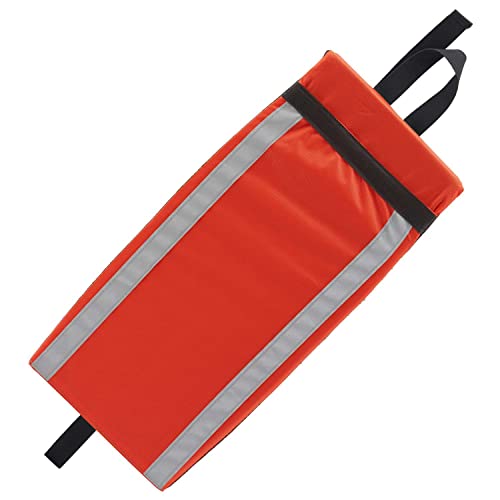
For those who are wary of inflatable gear, the Harmony Gear Foam Paddle Float offers a permanent, ready-to-use solution. Because it is made of closed-cell foam, there is zero risk of a puncture or valve failure. You simply slide it onto your paddle blade, and you are ready to stabilize your boat instantly.
The trade-off is the bulk; it takes up more space on your deck than an inflatable version. However, the peace of mind that comes from knowing your gear is "always on" is unmatched for many solo paddlers. If you are prone to worrying about gear failure and have the deck space to spare, this foam option is a bulletproof choice.
Aquabound Dual-Chamber Float: Reliability
The Aquabound Dual-Chamber Float takes safety a step further by incorporating two separate air compartments. In the unlikely event that one chamber is punctured, the second chamber remains inflated, providing enough buoyancy to complete your re-entry. This redundancy is a hallmark of high-quality safety gear and is highly recommended for solo adventurers.
This design is surprisingly easy to inflate and fits snugly on a variety of paddle blade shapes. It strikes a perfect balance between technical sophistication and user-friendly operation. If you are planning longer trips where the stakes are higher, the extra layer of protection offered by the dual-chamber system is well worth the investment.
Advanced Elements Paddle Float: Versatility

The Advanced Elements Paddle Float is designed for the paddler who values a multi-functional approach to their kit. It features a versatile attachment system that works well with both standard and specialized paddle blades, ensuring a secure fit regardless of your gear setup. It is lightweight, compact, and highly effective for casual and intermediate paddlers alike.
While it may not be as heavy-duty as the NRS, it performs admirably in standard conditions and is very easy to stow. It is a fantastic option for those who want a reliable piece of safety gear without breaking the bank. If you are a recreational paddler looking for a dependable, all-around performer, this float fits the bill perfectly.
How to Properly Attach Your Paddle Float
- Secure the Blade: Ensure the paddle blade is pushed fully into the float pocket to prevent it from sliding out during the weight-bearing phase of your re-entry.
- Tighten the Straps: Use the integrated straps to cinch the float tightly to the paddle shaft; a loose float is a useless float.
- Positioning: Place the paddle perpendicular to the kayak, ensuring the float is on the surface of the water before you begin your climb.
- Check the Valve: Always verify that the air valve is fully closed and tucked away to prevent accidental deflation.
Essential Tips for Solo Re-entry Drills
You should never rely on your paddle float for the first time in an actual emergency. Practice your re-entry in a controlled environment, like a calm lake or a swimming pool, until the movements become muscle memory. Aim to keep your center of gravity low and close to the kayak throughout the entire process to prevent flipping again.
Remember that the paddle float is only one part of the equation; your body position is just as critical. Keep your weight centered over the cockpit and use the paddle as a stabilizing outrigger rather than trying to pull your entire body weight up with it. Consistent practice is the only way to ensure you can execute this maneuver when the water is cold or the wind is high.
Environmental Factors and Safety Gear Care
Saltwater, UV rays, and extreme temperatures can degrade the materials of your paddle float over time. After every outing, rinse your float with fresh water and allow it to air dry completely before packing it away. Always inspect the seams and valves for signs of wear or cracking, especially if you have been paddling in harsh conditions.
Store your float in a cool, dry place away from direct sunlight when not in use. If you notice the material becoming sticky or the valve showing signs of stiffness, it may be time to replace the unit. Proper maintenance ensures that your gear will be ready to perform when you need it most.
Investing in a quality paddle float is a small price to pay for the immense safety and confidence it brings to your solo excursions. By selecting the right gear for your specific needs and practicing your re-entry drills regularly, you can paddle with the peace of mind you deserve. Stay safe out there, respect the water, and enjoy every moment of your solo journey.

