

6 Best Inflatable Vest Spare Parts Kits For Maintenance
Keep your PFD reliable with our top 6 spare parts kits. Learn how to maintain your inflatable vest effectively to ensure safety during every water adventure.
There is nothing quite like the freedom of a lightweight inflatable PFD until you realize your rearming kit is expired or the bobbin has degraded. Maintaining your gear isn’t just about following regulations; it is the fundamental difference between a reliable safety device and a false sense of security. These kits are your primary line of defense, and keeping them current ensures you are ready for any emergency on the water.
Disclosure: As an Amazon Associate, this site earns from qualifying purchases. Thank you!
Essential Maintenance for Inflatable Life Vests
Stay safe and comfortable on the water with this lightweight, low-profile inflatable life jacket featuring a soft neoprene neckline. It also includes back-up oral inflation for added security.


Inflatable life vests are marvels of engineering, offering superior comfort compared to bulky foam alternatives, but they require diligent upkeep. Unlike traditional PFDs that are always "ready," an inflatable relies on a chemical trigger or a manual pull-cord to deploy. If the internal components—specifically the CO2 cylinder and the water-soluble bobbin—are compromised, the vest will fail to inflate when you need it most.
Think of your PFD like the tires on your car; you wouldn’t head out on a long road trip without checking the pressure and tread. Regular maintenance involves inspecting the status indicator window, checking the cylinder for corrosion, and ensuring the firing mechanism is properly seated. Neglecting these simple steps can lead to accidental deployments or, worse, a failure to inflate during a man-overboard situation.
Mustang Survival Rearming Kit for HIT Vests
If you own a Hydrostatic Inflator Technology (HIT) vest, you know it is the gold standard for offshore and heavy-duty use. The Mustang Survival HIT rearming kit is specifically engineered for these high-performance vests, which only inflate when submerged under pressure. It is a precise, high-stakes piece of equipment that doesn’t leave room for generic substitutes.

This kit is the only choice for serious mariners who demand absolute reliability in harsh saltwater environments. Because HIT technology is more complex than standard oral-inflation or automatic-tablet systems, you must use the manufacturer-approved kit to maintain the integrity of the hydrostatic valve. It is an investment in professional-grade safety that I highly recommend for anyone heading beyond the sight of land.
Onyx A/M-24 Automatic Inflatable Re-Arming Kit
The Onyx A/M-24 is perhaps the most ubiquitous inflatable vest on the market, favored by recreational anglers and weekend boaters alike. Its rearming kit is straightforward, affordable, and widely available, which makes it an excellent choice for those who want to stay compliant without overcomplicating their maintenance routine. It uses a standard water-soluble bobbin that dissolves upon contact with water, triggering the CO2 release.
I recommend this kit for the casual boater who wants a "plug-and-play" solution that is easy to install. It is reliable, cost-effective, and gets the job done without any unnecessary bells and whistles. If you use your Onyx vest for occasional lake trips, keeping one of these kits in your boat’s glove box is the smartest safety move you can make.
West Marine Inflatable PFD Rearming Cylinder Kit
West Marine’s house-brand rearming kits are essentially the workhorses of the industry, designed to fit a wide range of their private-label inflatable vests. These kits are perfect for the boater who values convenience and accessibility, as they are specifically labeled to eliminate the guesswork often associated with matching cylinders to vests. They come with clear, step-by-step instructions that make the rearming process approachable for beginners.
If you have a West Marine branded PFD, stick with their specific rearming kit to ensure a perfect seal and proper firing pin alignment. While it might be tempting to hunt for cheaper, off-brand cylinders, the peace of mind that comes with a manufacturer-verified kit is worth every penny. This is a solid, no-nonsense choice for the average recreational user.
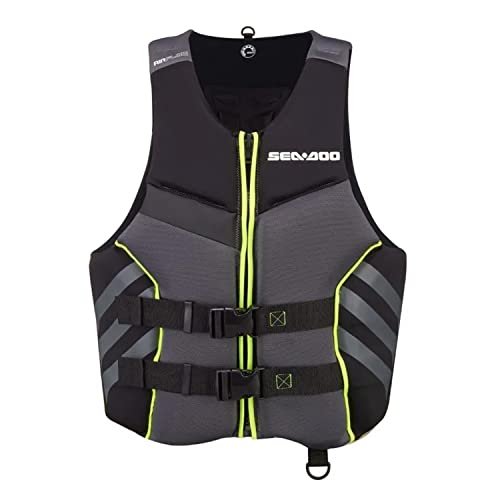
Absolute Outdoor Full Throttle Re-Arming Kit
The Full Throttle line is known for its ergonomic design and popularity in high-speed water sports and bass fishing circuits. Their rearming kits are purpose-built to match the specific inflator heads found on their vests, ensuring that the CO2 cylinder threads perfectly every time. These kits are often bundled with everything you need, including the green status indicator clip that confirms your vest is armed.

This kit is the right pick for active users who put their gear through the wringer. If you are constantly moving, casting, or dealing with spray, the Full Throttle system is built to withstand that level of activity. It is a reliable, high-quality component that keeps your vest ready for the next run.
Leland CO2 Cylinder Replacement Parts for PFDs
Leland is the industry giant behind the actual CO2 cylinders used by many of the major PFD brands. When you buy a branded rearming kit, you are often buying a Leland cylinder inside a custom package. If you are a high-volume user or manage gear for a fleet, sourcing Leland-specific cylinders can be a more economical way to maintain your equipment.
However, be very careful to match the thread size and weight (grams) of the cylinder to your specific vest model. While Leland makes the hardware, the PFD manufacturer dictates the specific pressure and seal requirements. Use these only if you are confident in your ability to cross-reference the exact specifications required by your vest’s inflator head.
Halkey-Roberts V800 Inflator Replacement Parts

The Halkey-Roberts V800 is a classic inflator mechanism found on many older or specialized PFD models. Maintaining these requires a specific touch, as the components are slightly different from the modern "all-in-one" cartridges found on newer vests. If you have an older vest that uses the V800, you need to be diligent about replacing both the bobbin and the cylinder as a matched set.
This system is for the experienced boater who prefers to service their own gear and understands the nuances of the V800 mechanism. It is a robust, time-tested design, but it does require more attention to detail during the rearming process. If your vest uses this system, stick with genuine Halkey-Roberts parts to ensure the firing pin strikes correctly.
When to Replace Your Inflatable Vest Components
The most common mistake I see is boaters waiting for the vest to deploy before replacing the rearming kit. You should replace the CO2 cylinder and bobbin immediately after any inflation, but you must also adhere to the manufacturer’s expiration dates. Even if the vest hasn’t been used, the bobbin material can degrade due to humidity and temperature fluctuations, leading to "false" inflations.
- Follow the expiration date: If the bobbin or cylinder is past its date, replace it immediately.
- Post-inflation: Always replace the cylinder and bobbin after the vest has been triggered.
- Environmental stress: If your vest is stored in a hot, humid boat locker, check the components more frequently than the manual suggests.
Inspecting Your Inflatable PFD Before Each Use
Before you step onto the dock, take thirty seconds to perform a pre-flight check on your PFD. First, look at the status indicator window; it should be green. If it is red, it means the cylinder is missing, the bobbin is expired, or the unit has been triggered.
Next, give the vest a quick visual inspection for any tears or signs of wear on the bladder cover. Finally, perform an oral inflation test once a season to ensure the bladder holds air for at least 24 hours. This simple habit prevents the "surprise" of a deflated vest when you are already out on the water.
Proper Storage Tips for Inflatable Safety Gear
Storage is just as important as maintenance when it comes to the longevity of your inflatable PFD. Never store a wet vest in a closed container or a damp locker, as this creates a breeding ground for mold and accelerates the degradation of the inflator mechanism. Always hang your vest in a cool, dry, and well-ventilated area after every trip.
Avoid leaving your PFD in direct sunlight for extended periods, as UV radiation can weaken the fabric and damage the plastic components of the inflator. If you are storing your gear for the winter, remove the CO2 cylinder and bobbin to prevent accidental discharge and to keep the firing pin from sitting under constant pressure. Treating your gear with respect will ensure it functions perfectly when the unexpected happens.
Your inflatable PFD is a life-saving tool that demands respect and regular attention to detail. By keeping a fresh rearming kit on hand and performing consistent inspections, you turn a piece of safety equipment into a reliable partner on the water. Stay proactive, stay prepared, and enjoy your time on the waves with total peace of mind.
