

7 Fly Fishing Lures For Saltwater That Target Big Game
Master saltwater fly fishing with these 7 essential lures. Discover the top patterns designed to entice and land the ocean’s most challenging big game fish.
There is nothing quite like the heart-stopping surge of a giant tarpon or the blistering run of a permit stripping line from your reel. Transitioning from freshwater to the salt requires a shift in mindset, gear, and, most importantly, your selection of flies. Mastering the art of saltwater fly fishing for big game is the ultimate challenge for any angler looking to test their mettle against the ocean’s most formidable predators.
Disclosure: As an Amazon Associate, this site earns from qualifying purchases. Thank you!
Understanding Saltwater Fly Fishing Mechanics
Saltwater fly fishing is less about the delicate presentation required for trout and more about speed, distance, and overcoming the elements. The wind is almost always a factor, and the fish are often moving quickly across vast, featureless flats. You need to deliver a bulky fly with enough force to turn it over, even when the breeze is pushing back against your cast.
Unlike freshwater streams, the ocean is a high-stakes environment where you often get only one shot at a trophy fish. Your mechanics must be refined to minimize false casts, as every extra movement in the air is a chance to spook a skittish predator. Focus on a tight, aerodynamic loop that cuts through the wind and lands your fly exactly where the fish is headed, not where it currently sits.
Selecting the Right Rod for Big Game Species
For big game, leave the light tackle at home; you need a rod that can handle the sheer torque of a saltwater beast. An 8-weight is the absolute minimum for smaller species, but you should look toward 10-weight or 12-weight rods when targeting tarpon, giant trevally, or large jacks. These rods provide the backbone necessary to lift a heavy fish and maintain pressure during the fight.
Balance is the key to success when choosing your setup. A fast-action rod is generally preferred because it helps generate high line speed, which is essential for punching flies into a headwind. Ensure your reel features a high-quality, sealed drag system, as saltwater corrosion and the heat generated by a long run will quickly destroy inferior equipment.
Lefty’s Deceiver: The Versatile Streamer Choice

Lefty’s Deceiver is the Swiss Army knife of the saltwater world, and for good reason. It’s designed to mimic a wide variety of baitfish, making it the perfect "search" fly when you aren’t sure exactly what the local predators are hunting. Its streamlined profile allows it to cast easily, even in gusty conditions.
If you are a beginner looking for a reliable, go-to pattern that works across diverse environments, this is your fly. It doesn’t have the specific, specialized action of some modern designs, but its consistency is unmatched. I recommend keeping a handful of these in different color schemes in your box at all times.
EP Everglades Minnow: Ideal for Shallow Flats


When you are stalking fish in the skinny water of the Everglades or similar flats, you need a fly that lands softly and stays in the strike zone. The EP Everglades Minnow is constructed from synthetic fibers that don’t absorb water, keeping the fly light and easy to cast. Its lifelike movement in the water mimics small glass minnows or finger mullet perfectly.
This fly is for the angler who prioritizes stealth and finesse over raw size. Because it is so lightweight, you can place it inches from a cruising snook without sending them bolting for deeper water. If you frequent shallow, clear-water flats, this should be a primary weapon in your arsenal.
Enrico Puglisi Peanut Butter: Best for Tarpon
The EP Peanut Butter is an absolute legend for tarpon, specifically because of how it pushes water and maintains its profile. It features a wide, baitfish-like shape that creates a distinct vibration, signaling to a tarpon that a substantial meal is nearby. The synthetic materials are incredibly durable, which is vital when fighting fish with abrasive mouths.
You should choose this fly when you are targeting larger, mature tarpon that are looking for a significant snack. It requires a bit more effort to cast than a minnow pattern, but the payoff in attraction is worth the extra weight. If you are heading out on a dedicated tarpon trip, do not leave the dock without a selection of these.
Clouser Deep Minnow: Perfect for Heavy Currents
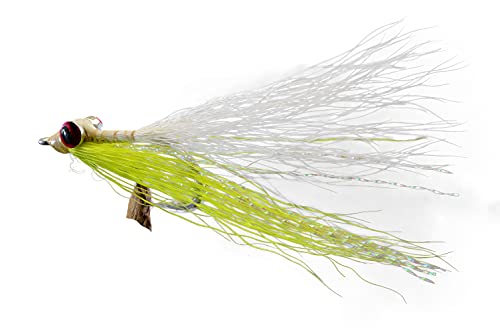
When the tide is ripping and the fish are holding deep, the Clouser Deep Minnow is the gold standard. The lead or tungsten eyes provide the necessary weight to get the fly down into the strike zone quickly, while the bucktail wing provides an enticing, pulsating action. It is a fly that demands to be fished with a rhythmic, erratic retrieve.
This is the ultimate fly for targeting species like striped bass or large jacks that hunt in current seams. It is not the most graceful fly to cast, but it is one of the most effective at getting down to where the big fish hide. If you find yourself fishing deep channels, this is the only fly you need.
Gurgler Surface Fly: Top Pick for Topwater

Nothing compares to the visual explosion of a fish smashing a fly off the surface. The Gurgler is a brilliant design that creates a wake and a "blooping" sound as you strip it across the top of the water. It is incredibly effective for aggressive species like bluefish or redfish that are actively hunting in the shallows.
This fly is for the angler who values the thrill of the strike above all else. It is easy to fish—just cast and retrieve with steady, short strips—and it is highly visible, making it great for learning how to track your fly. If you want high-octane action, make sure you have a few Gurglers tied on.
Bob’s Banger: Essential for Aggressive Game

Bob’s Banger is a loud, obnoxious, and highly effective surface popper that commands attention. With its foam head and trailing feathers, it creates a massive disturbance that can draw fish out from under mangroves or off deep drop-offs. It is particularly effective in low-light conditions when fish are relying on vibration rather than sight.
I recommend this fly for those days when the fish are lethargic or holding in heavy cover. It isn’t a subtle presentation, but that is exactly why it works—it forces a reaction strike from even the most stubborn predators. If you are fishing for aggressive game in murky water, this is your best bet.
Seaducer Pattern: Best for All-Around Utility
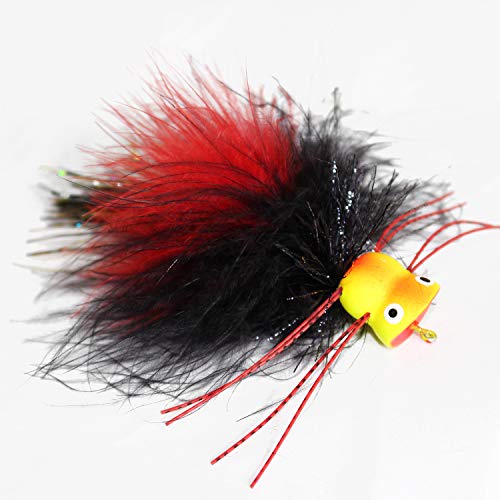
The Seaducer is a classic, hackle-based fly that offers a beautiful, undulating motion in the water. It is an incredibly versatile pattern that can be fished at various depths depending on your retrieve speed and line choice. Its simple, elegant design makes it a favorite for those who prefer traditional, time-tested patterns.
This is a great choice for anglers who want a fly that looks natural and moves with life. It is particularly effective for species that are slightly more selective or when the water is crystal clear. If you want a reliable, all-around utility fly that handles a variety of conditions, look no further than the Seaducer.
Proper Rigging for Saltwater Fly Success
Rigging for saltwater is about balancing strength with invisibility. You should be using high-quality fluorocarbon leaders that provide excellent abrasion resistance against coral and fish teeth. A tapered leader is essential for turning over large flies, but ensure your tippet strength is matched to the class of fish you are targeting.
- Check your knots: Always use a loop knot, like the Homer Rhode or non-slip loop, to allow the fly to move freely.
- Inspect your gear: Regularly check your tippet for nicks and abrasions after every fish.
- Manage your line: Keep your running line clean and free of tangles to ensure long, smooth casts when the moment of truth arrives.
Saltwater fly fishing is a pursuit that rewards patience, preparation, and a keen understanding of your quarry. By matching your fly selection to the specific environment and species, you significantly increase your chances of landing that fish of a lifetime. Keep your gear maintained, your knots strong, and your eyes on the water, and the ocean will eventually reward your efforts.

