6 Pool Cleaning Chemicals That Keep Water Crystal Clear
Achieve pristine water with these 6 essential pool chemicals. Learn how to balance pH, sanitize, and prevent algae for a safe, crystal-clear swimming season.
Nothing beats the feeling of diving into a pool that looks like a sheet of liquid glass on a sweltering afternoon. Achieving that professional-grade clarity isn’t just about luck; it’s about mastering the delicate balance of pool chemistry. With the right toolkit and a bit of consistency, you can keep your backyard oasis pristine all season long.
Disclosure: As an Amazon Associate, this site earns from qualifying purchases. Thank you!
Understanding Pool Chemistry for Clear Water
Pool chemistry is essentially a balancing act between sanitization, oxidation, and alkalinity. When these levels drift, you aren’t just looking at cloudy water; you’re looking at a breeding ground for bacteria and a potential eyesore. Think of your pool as a living ecosystem that requires constant monitoring to stay healthy.
The most common mistake owners make is adding chemicals blindly without testing first. If you don’t know your baseline, you’re just guessing, which often leads to "chemical lock" where the water becomes resistant to treatment. Always test before you toss, and remember that water balance is a dynamic process, not a one-time fix.
Maintaining Proper pH Levels With Sodium Bisulfate
Your pH level is the "master switch" for everything else in your pool. If it climbs too high, your chlorine becomes sluggish and ineffective, leading to cloudy water and scale buildup. I recommend Sodium Bisulfate (dry acid) because it is significantly safer to handle and store than liquid muriatic acid.
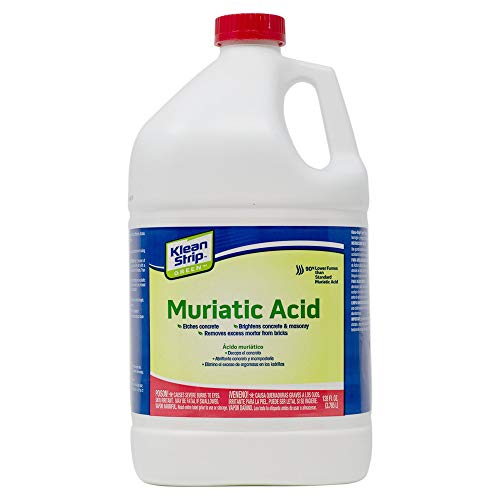
Etch and brighten concrete and masonry with Klean-Strip Green Safer Muriatic Acid. This formula removes excess mortar and produces 90% less fumes than standard muriatic acid.

Sodium Bisulfate is the perfect choice for the homeowner who wants precision without the headache of splashing harsh liquids. It dissolves quickly and provides a consistent drop in pH, making it ideal for routine adjustments. If you struggle with high pH due to hard water, keep a container of this on hand at all times.
Using Liquid Chlorine for Rapid Water Sanitizing
When your pool turns green or you’ve had a heavy load of swimmers, you need a heavy hitter. Liquid chlorine is essentially bleach in its most potent, pool-grade form, and it works instantly to kill pathogens and oxidize organic contaminants. It’s the gold standard for rapid sanitization because it doesn’t add extra stabilizers to your water.
I suggest using liquid chlorine for weekly "shocking" or when you need to clear up a sudden spike in turbidity. Unlike stabilized tablets, it leaves no residue behind, which prevents your CYA levels from creeping up over time. It’s the right tool for those who want a clean slate every week without worrying about long-term chemical buildup.
Stabilizing Sunlight Loss With Cyanuric Acid
The sun is your pool’s greatest enemy when it comes to chlorine retention. Ultraviolet rays can burn off up to 90% of your free chlorine in just two hours if the water isn’t properly protected. Cyanuric Acid (CYA) acts as a sunscreen for your chlorine, keeping it active and ready to work for days rather than hours.
This is non-negotiable for outdoor pools in sunny climates. However, be careful not to over-stabilize; too much CYA will actually "lock" your chlorine, rendering it useless. If your CYA levels are between 30 and 50 ppm, you’re in the sweet spot for maximum efficiency.
Preventing Green Algae With PolyQuat 60 Algaecide
Prevent algae blooms in your pool with Algaecide 60 Plus. This non-metallic, low-odor formula controls green, yellow, black, and pink algae and is compatible with chlorine, bromine, and salt systems.

Algae is a silent invader that can turn a clear pool into a swamp overnight. PolyQuat 60 is a non-foaming, concentrated algaecide that acts as a powerful insurance policy against spores. It’s particularly useful if you live in an area with high humidity or frequent rain, which often introduces new algae colonies into the water.
This product is for the proactive pool owner who prefers to prevent problems rather than fight them. Because it is non-foaming, it won’t leave your pool looking like a bubble bath, which is a major advantage over cheaper, lower-grade algaecides. If you want a clear pool without the stress of constant scrubbing, this is your best friend.
Enhancing Water Clarity Using Aluminum Sulfate
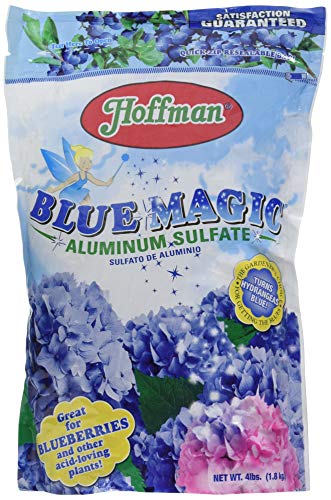
Sometimes, even with perfect chemistry, small particles remain suspended in the water, giving it a dull, hazy appearance. Aluminum Sulfate, or "alum," acts as a flocculant, binding these tiny particles together into larger clumps that sink to the floor. Once they settle, you can simply vacuum them out to waste.
Use this only when you’ve exhausted other options and the water remains cloudy despite balanced chemicals. It’s a specialized tool for that "crystal clear" look, but it requires a bit of patience and a good vacuuming technique. It is the secret weapon for getting that polished, professional look after a storm or a long period of neglect.
Improving Filtration With Natural Chemistry PhosFree
Effectively eliminate phosphates from your pool with Phosfree. This filter-friendly solution reduces phosphates to near zero, simplifying pool maintenance.

Phosphates are essentially fertilizer for algae; they enter your pool through leaves, dirt, and even swimmer waste. If your pool is constantly struggling with algae despite high chlorine levels, your phosphate levels are likely the culprit. PhosFree removes these nutrients from the water, starving algae before it can ever gain a foothold.
I recommend this for anyone who has trees nearby or experiences high debris loads. It’s an incredibly effective way to reduce the amount of chlorine you need to use, saving you money and effort in the long run. If you want to simplify your maintenance routine, removing the food source for algae is the smartest move you can make.
Balancing Total Alkalinity With Sodium Bicarbonate

Total Alkalinity acts as a buffer for your pH, preventing it from swinging wildly whenever you add chemicals or rain enters the pool. If your alkalinity is too low, your pH will be unstable and difficult to manage. Sodium Bicarbonate, commonly known as baking soda, is the most effective and affordable way to raise your alkalinity.
This is a fundamental step in pool care that many beginners overlook. By keeping your alkalinity in the 80–120 ppm range, you ensure that your pH remains steady and your water stays comfortable for swimmers. It’s a simple, low-cost investment that makes every other chemical in your arsenal work better.
Testing Water Quality With Taylor Technologies Kits
Test your saltwater pool or spa water quickly and easily with this comprehensive kit. It includes reagents for 9 key parameters and simple, pictographic instructions.

You cannot manage what you do not measure, and digital strips are rarely accurate enough for precise chemistry. Taylor Technologies test kits are the industry standard for a reason—they offer the reliability and color-matching precision required to make informed decisions. If you’re serious about a clear pool, you need a drop-based titration kit.
This is the only piece of equipment I consider essential for every pool owner. While it requires a bit more effort than a quick dip-strip, the accuracy is unmatched, preventing you from over-dosing your pool with expensive chemicals. Don’t cut corners here; your water clarity depends entirely on the data you collect.
Establishing a Consistent Weekly Maintenance Routine
A clear pool is the result of a rhythm, not a miracle. Spend fifteen minutes every weekend testing your water, cleaning your skimmer baskets, and brushing the walls. This consistency prevents small issues from snowballing into expensive, time-consuming disasters.
- Test: Check pH, Chlorine, and Alkalinity.
- Balance: Add chemicals as needed based on test results.
- Clean: Skim the surface and brush the waterline.
- Check: Ensure your filter pressure is within the normal range.
Maintaining a crystal-clear pool is a rewarding process that becomes second nature once you understand the science. By focusing on these six core chemicals and sticking to a consistent testing schedule, you’ll spend less time troubleshooting and more time enjoying the water. Stay diligent, keep your levels balanced, and your pool will remain the highlight of your summer.