6 Essential Paddleboard Safety Gears for Every Beginner
Stay safe on the water with these 6 essential paddleboard gear picks. From leashes to PFDs, learn the must-have items every beginner needs for a secure ride.
Stepping onto a paddleboard for the first time offers a unique perspective of the water, but the serenity of the sport can quickly shift if you aren’t prepared for the unexpected. True confidence on the water comes from knowing you have the right safety net beneath you, regardless of the conditions. By prioritizing these essential gear items, you transform a casual paddle into a responsible and secure adventure.
Disclosure: As an Amazon Associate, this site earns from qualifying purchases. Thank you!
NRS Earth SUP Leash: Essential Tether Safety
Stay safely connected to your SUP with the NRS Quick-Release Leash. Its versatile attachment system works with various life vests and boards, while in-line swivels prevent tangling.


The leash is your primary connection to your board, which acts as your largest flotation device should you fall in turbulent water. The NRS Earth SUP Leash is a standout because of its durable, coiled design that prevents the cord from dragging in the water and snagging on submerged obstacles. It is specifically engineered for flatwater and light touring, where a long, trailing leash would be an unnecessary hindrance.
I recommend this for beginners who want a low-profile, reliable tether that doesn’t get in the way of their stroke. The quick-release cuff is a vital feature that allows you to shed the board instantly if it becomes trapped in a current or hazardous structure. If you are paddling in moving water, however, ensure you use a dedicated quick-release belt instead of an ankle attachment to avoid entrapment risks.
Onyx MoveVent Life Vest: Reliable PFD Choice
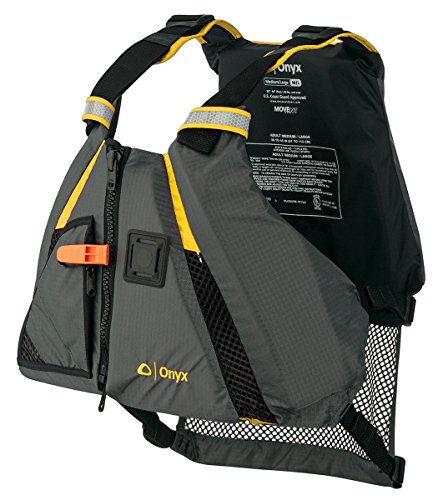
A Personal Flotation Device (PFD) is not just a suggestion; it is the most critical piece of equipment you will ever wear. The Onyx MoveVent is perfect for beginners because it features a high-back design that clears the seat of your board and allows for a full range of motion during your paddle stroke. Its mesh lower back also helps with ventilation, keeping you cool during long sessions under the sun.

This vest is an excellent choice for those who find traditional, bulky life jackets restrictive or uncomfortable. It provides the buoyancy you need while remaining unobtrusive enough that you won’t be tempted to take it off. If you prioritize comfort without sacrificing safety, this is the vest you should be wearing every time you hit the water.
Fox 40 Sonik Blast Whistle: Auditory Signaling
Be heard with the Fox 40 Sonik Blast whistle. Its pealess design produces a powerful, clear sound exceeding 120 decibels, ideal for noisy environments.

Sound travels significantly further than the human voice, especially when wind or waves are competing with your calls for help. The Fox 40 Sonik Blast is a powerhouse, producing a piercing, high-frequency sound that can be heard over long distances and through heavy surf. Because it has no moving parts, it won’t jam or fail when exposed to salt water or grit.
You should attach this to your PFD using a corrosion-resistant lanyard so it is always within reach during an emergency. It is an inexpensive, lightweight insurance policy that every paddler needs to carry. If you find yourself in a situation where you need to alert a boat or a fellow paddler, this whistle is your most effective tool.
Garmin inReach Mini 2: Satellite Communication
Stay connected anywhere with the compact Garmin inReach Mini 2. This satellite communicator offers two-way messaging, interactive SOS, and TracBack routing for confident exploration.

While most beginners stick to cell-service zones, it is easy to drift into "dead spots" where your smartphone becomes a useless brick. The Garmin inReach Mini 2 provides two-way satellite messaging and SOS capabilities, ensuring you can reach emergency services or loved ones regardless of how far you wander. It is compact, rugged, and designed to withstand the harsh environment of a marine setting.
This gear is an essential investment for anyone planning to paddle in remote lakes or coastal areas away from the crowds. While it requires a subscription, the peace of mind provided by global coverage is unmatched by any other device. If you value safety in off-grid environments, this is the gold standard for communication.
NRS Hydration Hydration Pack: Water Access
Dehydration can sneak up on you quickly while you are out on the water, often masked by the cooling effect of the breeze. The NRS Hydration Pack is designed specifically for water sports, featuring a low-profile bladder that sits comfortably against your back without shifting your center of gravity. Staying hydrated is not just about comfort; it keeps your reaction times sharp and your body functioning optimally.
This pack is ideal for those who want to extend their time on the water without returning to shore for a drink. It integrates well with most PFDs, making it a seamless addition to your existing kit. If you find yourself cutting your sessions short due to fatigue or thirst, this hydration solution is the upgrade you need.
Aqua Lung Sport Mask: Underwater Visibility

Having a clear view of what lies beneath your board can be the difference between a calm observation and a panicked reaction. The Aqua Lung Sport Mask offers a wide field of vision and a comfortable, leak-resistant seal that helps you navigate shallow, rocky areas safely. It is particularly useful for checking your fin or identifying potential hazards like submerged logs or thick vegetation.
This mask is perfect for beginners who are curious about the underwater environment and want to add an element of exploration to their paddling. While not a safety device in the strictest sense, it promotes environmental awareness and helps you navigate around delicate ecosystems. It is a high-quality, reliable piece of gear for anyone who enjoys the intersection of paddleboarding and snorkeling.
ACR ResQLink View: Personal Locator Beacon
A Personal Locator Beacon (PLB) is the ultimate backup for life-threatening situations where immediate rescue is required. The ACR ResQLink View is a powerful device that transmits a distress signal to search-and-rescue satellites, providing your precise GPS coordinates to responders. Unlike satellite messengers, it requires no subscription and is dedicated solely to emergency signaling.
I recommend this for paddlers who venture into open water or coastal areas where conditions can change rapidly. It is a "set it and forget it" tool that stays tucked away in your PFD pocket until the moment you truly need it. If you are serious about long-distance or offshore paddling, this device is a non-negotiable safety essential.
Understanding SUP Leash Attachment Techniques
The way you attach your leash depends entirely on the environment you are paddling in. For flatwater, an ankle leash is standard and keeps the cord out of the water, preventing it from snagging on debris. However, this configuration is dangerous in moving water, such as rivers or tidal currents, where a trapped leash can hold you underwater.
In moving water, always use a quick-release waist belt that allows you to ditch the board in seconds. Always test your release mechanism on land before you get on the water so that the action becomes muscle memory. Proper leash selection is the difference between a minor inconvenience and a life-threatening entanglement.
Selecting the Correct PFD for Paddling Zones
Not all PFDs are created equal, and your choice should be dictated by the specific water conditions you face. A Type III PFD is the standard for most recreational paddling, offering a balance of comfort and buoyancy for calm lakes and protected bays. For more adventurous trips in rougher water, a higher-buoyancy vest may be necessary to keep your head above water in choppy conditions.
Always check the U.S. Coast Guard approval rating on your vest to ensure it meets legal requirements for your area. Remember that a PFD is only useful if it fits correctly and is worn properly at all times. Never settle for a vest that is too loose or hinders your ability to move your arms while paddling.
Emergency Signaling and Environmental Safety
Being seen and heard is the core of effective emergency signaling on the water. Beyond your whistle, consider carrying a high-visibility strobe light or a signal mirror for daytime use. These tools are lightweight and can easily be stored in a small dry bag strapped to your board.
Environmental safety also means being aware of the weather and water temperature before you launch. Always check the forecast for wind speeds and tide charts, as these factors can turn a simple trip into an exhausting ordeal. By combining your signaling gear with a deep respect for the environment, you ensure that you remain a responsible steward of the water.
Equipping yourself with the right gear is the first step toward becoming a confident and capable paddleboarder. Remember that safety is a continuous process of learning, preparation, and situational awareness. Stay safe, respect the water, and enjoy every moment of your time on the board.