

7 Kayak Battery Boxes For Electronics To Power Gear
Power your kayak electronics reliably with these 7 top-rated battery boxes. Discover durable, waterproof options designed to keep your gear running all day.
There is nothing quite like the frustration of a fish finder going dark just as you locate a school of structure-holding bass. Modern kayak angling demands reliable, waterproof power, and choosing the right battery box is the difference between a successful day and a wasted trip. This guide breaks down the best ways to house your power source so you can stay on the water longer with total confidence.
Disclosure: As an Amazon Associate, this site earns from qualifying purchases. Thank you!
Essential Gear for Kayak Electronic Setups
Building an electronic setup for your kayak is about more than just buying a battery; it is about creating a secure, dry, and organized ecosystem. You need a centralized hub that protects your power source from saltwater corrosion and accidental splashes while keeping your wiring clean and accessible.
When planning your setup, prioritize weight distribution and accessibility. A heavy battery placed too high or too far off-center can compromise your kayak’s stability, especially in choppy conditions. Always ensure your chosen box offers a watertight seal, as even a small amount of moisture can lead to terminal oxidation and system failure.
Yak-Power Power Pack: Compact Portable System
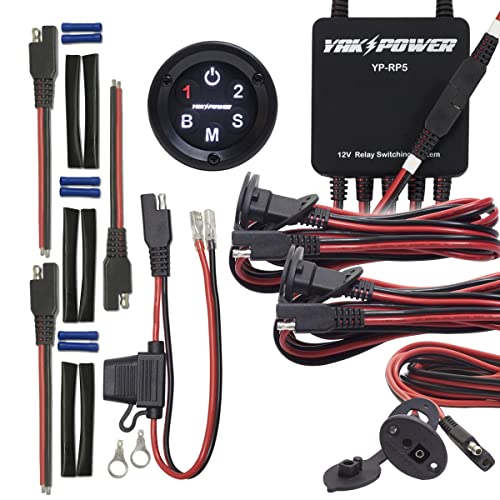

The Yak-Power Power Pack is the gold standard for anglers who prioritize a clean, plug-and-play experience. It is designed specifically for kayak integration, featuring a pre-wired system that eliminates the need for messy DIY soldering or crimping.
This unit is perfect for the minimalist who runs a fish finder and perhaps a small navigation light. Because it is completely self-contained, you can easily pull it out of your crate or hatch to charge it at home between sessions. If you want a hassle-free, "set it and forget it" solution, this is the system you should buy.
NOCO GB40 Boost Plus: Versatile Battery Choice
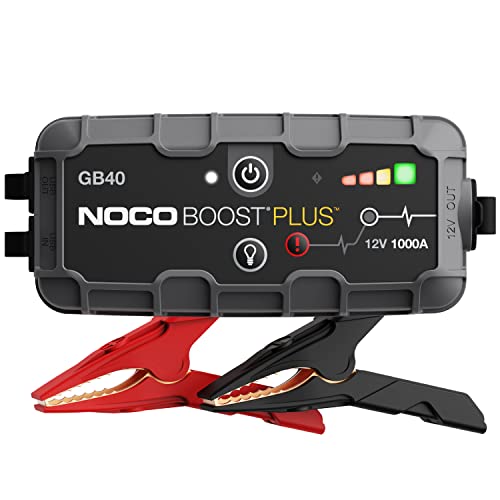
While primarily marketed as a jump starter, the NOCO GB40 is an incredibly rugged option for those who want a multi-purpose power source. It is built to withstand extreme environments, making it a fantastic choice for kayakers who venture into rugged, remote locations.
The advantage here is the sheer durability of the casing. However, keep in mind that it is not a traditional deep-cycle battery, so it is best suited for powering fish finders or charging devices rather than running trolling motors. If you need a power source that can double as an emergency backup for your vehicle, this is a smart, dual-purpose investment.
Railblaza Kayak Battery Box: Modular Storage
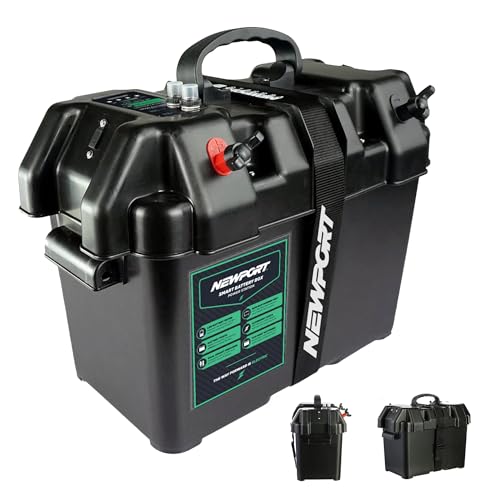
Railblaza is known for its clever mounting systems, and their battery box is no exception. It is designed to integrate seamlessly with their StarPort ecosystem, allowing you to attach it securely to your deck without needing to drill permanent holes in your hull.
This box is ideal for the angler who likes to customize their layout based on the target species or water conditions. It keeps the battery off the deck and out of the way, which is a massive plus for maintaining a clean casting deck. If you value versatility and want to keep your gear organized, this modular approach is hard to beat.
Wilderness Systems Kayak Crate: Power Ready
Many anglers already use a crate for tackle storage, so it makes perfect sense to integrate your battery there. The Wilderness Systems crate is engineered with specific compartments to house a battery box, turning your storage solution into a power center.

This is the best choice for the "all-in-one" angler who wants to keep their tackle and electronics in a single, removable unit. By consolidating your gear, you reduce the number of trips back and forth to your vehicle. It is a highly practical solution for those who prefer to keep their deck entirely clear of loose wires or boxes.
Hobie Battery Holder: Specialized Integration
If you are paddling a Hobie, you know that their hatches and internal layouts are unique. The Hobie-specific battery holder is designed to fit perfectly within their internal mounting points, ensuring the battery doesn’t shift during transport or rough water.

This product is essential for Hobie owners who want to maintain the factory-clean look of their boat. It eliminates the "sliding battery" problem that plagues many DIY installations. If you own a Hobie and want a secure, factory-approved mounting point, do not bother looking at generic alternatives.
Minn Kota Trolling Motor Box: Heavy Duty Power
When you step up to a trolling motor, your power requirements change drastically. The Minn Kota battery box is built to handle the larger, heavier batteries required to push a kayak through current or against the wind for hours on end.
This box includes built-in battery meters and external access ports, which are vital for monitoring your remaining charge. It is a bulkier unit, so ensure your kayak has the storage capacity to accommodate it safely. If you are running a motor, this is the only reliable way to protect your heavy-duty power source.
VMAX Charge Tank: High Capacity Performance

VMAX is synonymous with high-performance AGM batteries, and their charge tank systems are designed for those who run multiple high-draw electronics. If you have a side-imaging unit, a trolling motor, and a heated seat, this is the power solution you need.
These systems are heavy, so they are best suited for larger fishing kayaks or pedal-drive boats with higher weight capacities. They offer unmatched longevity and consistent voltage delivery throughout the day. If you are a serious tournament angler who cannot afford a power failure, the VMAX system is the reliable workhorse you require.
Safety Tips for Kayak Electrical Systems
- Always use an inline fuse: A fuse prevents electrical fires by cutting power if a short circuit occurs.
- Keep connections clean: Use dielectric grease on all terminals to prevent salt-air corrosion.
- Secure the weight: Ensure your battery box is strapped down tightly to maintain the center of gravity.
- Waterproof your wiring: Use heat-shrink tubing on all connections to keep moisture out of the copper strands.
Maintaining Your Kayak Battery Box Gear
Post-trip maintenance is the secret to extending the life of your battery and electronics. Always rinse your battery box with fresh water after a day on the salt to prevent salt creep from damaging the seals.
Check your wiring periodically for signs of fraying or brittleness caused by UV exposure. If you notice any discoloration on your terminals, clean them immediately with a wire brush and a baking soda solution. A few minutes of care after each trip ensures that your gear is ready to go the next time you hit the water.
Investing in a quality battery box is about protecting your equipment and ensuring you never lose your edge on the water. By matching your power needs to the right enclosure, you gain peace of mind and more time to focus on the catch. Choose the system that fits your specific kayak and fishing style, and you will be set for seasons of reliable performance.
