6 Best Nose Clips For Diving For Freediving Enthusiasts
Discover the top 6 nose clips for freediving. This guide evaluates comfort, durability, and fit to help you choose the perfect gear for your underwater dives.
Mastering the art of equalization is the single greatest hurdle for any aspiring freediver looking to descend into the blue. A high-quality nose clip acts as an essential extension of your body, allowing you to dedicate your focus entirely to relaxation and the Frenzel maneuver. Finding the right fit is the difference between a frustrating dive session and a seamless, meditative experience under the surface.
Disclosure: As an Amazon Associate, this site earns from qualifying purchases. Thank you!
Understanding Freediving Nose Clip Mechanics
At its core, a freediving nose clip is designed to create a perfect, watertight seal over the nostrils, preventing air from escaping during equalization. Unlike scuba masks, which require you to pinch your nose manually, a clip frees up your hands for streamlining or holding a dive line. This simple piece of equipment effectively turns your nose into a closed system, which is vital when you are performing advanced equalization techniques like the Mouthfill.
The mechanics rely on a balance between tension and comfort. If the clip is too loose, you risk water ingress or air leakage, both of which can ruin a deep dive. If it is too tight, you face the risk of soft tissue bruising or excessive pressure on the nasal bridge. A great clip uses high-friction materials—usually medical-grade silicone or specialized polymers—to stay in place even when your face is wet and cold.
Molchanovs Secure Fit: Best for Deep Diving
When you are pushing toward your personal bests, you need gear that stays put regardless of the pressure. The Molchanovs Secure Fit is widely regarded as the gold standard for deep, competitive freediving. Its architecture is specifically engineered to remain rock-solid during the intense facial contractions that occur at depth.
The clip features a unique tension adjustment system that accommodates various nose shapes without sacrificing the integrity of the seal. It is the go-to choice for athletes who prioritize stability above all else. If you are serious about depth and need a piece of kit that won’t budge during a long hang or a deep ascent, this is the investment you should make.
Lobster Freediving Clip: Top Ergonomic Design
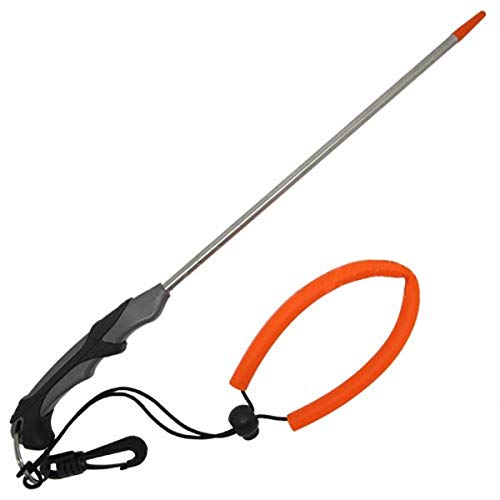

The Lobster brand has made a name for itself by focusing on the human anatomy rather than just the utility of the gear. Their nose clip is incredibly lightweight, minimizing the "foreign object" sensation that can distract a diver during their preparation phase. It is designed to contour perfectly to the bridge of the nose, distributing pressure evenly to prevent discomfort.
This clip is ideal for divers who struggle with the bulky, rigid feel of traditional clips. Because of its ergonomic profile, it sits lower on the nose, which can actually help with better blood flow and reduced sinus irritation. If you value comfort as much as performance, the Lobster clip is an excellent, reliable choice that feels almost invisible once you start your descent.

Octopus Freediving Nose Clip: Elite Choice
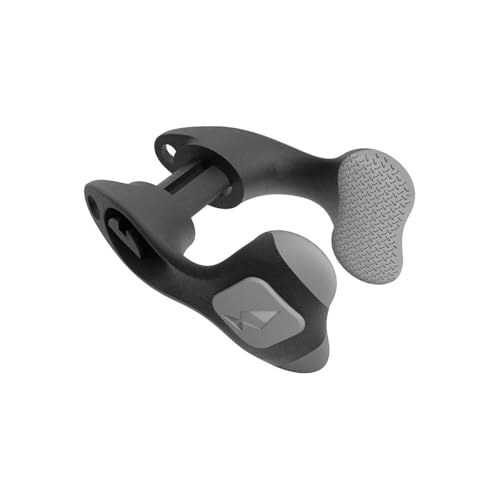
The Octopus nose clip is built for those who treat freediving as a precise, technical sport. It utilizes a high-tension spring mechanism that provides a satisfying, locked-in feel the moment it is applied. This is a favorite among instructors and elite competitors because it is virtually indestructible and maintains its tension over hundreds of dives.
The build quality is exceptional, often featuring anodized aluminum or high-grade composites that resist corrosion from salt water. While it is a premium product, the consistency it provides is unmatched for those who dive daily. If you are looking for a "buy it once" piece of equipment that will survive the rigors of a demanding dive season, the Octopus clip is the way to go.

Low Profile Free-Diving Clip: Best for Comfort
Not every diver needs the extreme tension required for record-breaking depths. For recreational freedivers or those who spend long sessions in the pool training CO2 tables, the Low Profile clip is a masterclass in comfort. Its minimal surface area makes it less prone to getting knocked off by your hood or mask strap.

Because it lacks the bulky adjustment knobs of its competitors, it sits flush against the face, reducing drag and increasing hydrodynamics. It is perfect for those with sensitive skin or those who find that heavier clips cause headaches after an hour of training. If you prioritize long, relaxed sessions over extreme depth, this is your best companion.
Submatix Carbon Clip: Premium Performance Pick
Carbon fiber is the material of choice for high-performance gear, and the Submatix Carbon clip is no exception. It is incredibly stiff, which allows for a very secure seal with surprisingly little actual pressure on the nostrils. This unique property makes it a favorite for divers who want the security of a tight seal without the "pinched" feeling of metal or plastic clips.
The aesthetic is just as sharp as the performance, offering a sleek, modern look that matches high-end carbon fins. It is lightweight, durable, and provides a level of tactile feedback that helps you know exactly when your seal is set. This is a premium choice for the diver who wants the absolute best in material science and doesn’t mind paying for that extra edge.
Fii Freediving Nose Clip: Best for Beginners
Learning to equalize is difficult enough without having to fiddle with complex, high-tension clips. The Fii nose clip is designed with the student in mind, offering an intuitive fit that is easy to put on and take off even with cold, numb fingers. It provides enough tension to be secure but remains forgiving enough to be comfortable for long practice sessions.
This clip is the perfect entry point for someone transitioning from a mask to a nose clip for the first time. It is straightforward, reliable, and helps build confidence in your equalization technique. If you are just starting your journey into the world of no-mask diving, save yourself the headache and start with the Fii.
Essential Tips for Proper Nose Clip Fitting
A nose clip is only as good as the seal it creates, and that starts with skin preparation. Always ensure your nose is free of sunscreen, oils, or moisturizer before you dive, as these will cause the clip to slide off the moment you get wet. A quick wipe with an alcohol pad or even just soap and water makes a massive difference in grip.
Positioning is equally critical for success. You should place the clip on the cartilaginous part of the nose, just above the nostrils, rather than on the hard bone of the bridge. This provides the best seal while avoiding the discomfort associated with pinching the sensitive nasal bone. Take your time during your surface interval to adjust the tension; you should be able to breathe through your nose with effort, but no air should escape when you pressurize.
Maintaining Your Gear for Long-Term Durability
Freediving gear takes a beating, especially in salt water. After every single dive, rinse your nose clip thoroughly in fresh, lukewarm water to remove salt crystals that can degrade the silicone pads over time. If you leave salt on the clip, it can crystallize and cause the mechanism to seize up or create micro-abrasions on your skin.
Store your clip in a dedicated, padded case rather than throwing it loosely into your gear bag. The tension springs or adjustment screws are susceptible to being bent or crushed if pressed under a heavy weight belt or fin. By keeping your clip in a protected environment, you ensure that the tension remains consistent for years to come.
Safety Protocols When Using Freediving Clips
Using a nose clip necessitates a shift in how you manage your safety. Because you cannot clear your ears by pinching your nose if the clip fails or slips, you must always be prepared to abort the dive if the seal is compromised. Never force an equalization if you feel the clip has shifted, as this can lead to middle ear barotrauma.
Furthermore, always ensure your nose clip is attached to a lanyard or a piece of thin cord around your neck. It is incredibly easy to lose a clip in the deep blue if it slips off during a turn or an ascent. Having it tethered ensures that even if it comes loose, you won’t be left searching for it on the ocean floor, allowing you to maintain your focus on a safe ascent.
Investing in a quality nose clip is a fundamental step toward becoming a more confident and capable freediver. By choosing a model that aligns with your specific needs—whether that is extreme stability for deep dives or maximum comfort for training—you remove a major barrier to your progress. Remember that the best gear is the kind you forget you are wearing, allowing you to focus entirely on the silent, beautiful world beneath the surface.