6 Boat Dock Cleats For Security That Keep Vessels Safe
Secure your vessel with our top 6 boat dock cleats. This guide highlights durable, reliable options to ensure maximum safety and stability for your watercraft.
There is nothing quite as heart-wrenching as watching your boat drift away from the dock during a sudden storm because a cheap cleat snapped under the pressure. Securing your vessel is the most fundamental aspect of responsible boat ownership, acting as the primary line of defense against hull damage and dock collisions. Choosing the right hardware is not just about convenience; it is about ensuring your peace of mind every time you leave your boat unattended.
Disclosure: As an Amazon Associate, this site earns from qualifying purchases. Thank you!
Understanding Boat Dock Cleat Material Durability
The material of your cleat determines how it will react to the harsh, corrosive environment of a marine setting. Stainless steel is the gold standard for high-end installations due to its superior resistance to rust and pitting, especially in saltwater. However, not all stainless is created equal; always look for 316-grade stainless steel to ensure the highest level of corrosion resistance.


Aluminum and galvanized steel offer more budget-friendly alternatives, though they require more frequent inspections for signs of oxidation or coating failure. Nylon cleats are excellent for smaller craft or temporary setups, as they won’t scratch your gelcoat, but they lack the sheer tensile strength required for heavy-duty mooring. Always match the material to your local water conditions—saltwater environments demand significantly more robust materials than freshwater lakes.
SeaDog Line Stainless Steel Cleats for Longevity

If you are looking for a "set it and forget it" solution, SeaDog Line stainless steel cleats are the premier choice. These cleats are crafted from investment-cast 316 stainless steel, which provides an incredible strength-to-weight ratio and a mirror-like finish that resists the elements for years.
These are the ideal selection for boaters who keep their vessels in saltwater slips where corrosion is a constant battle. While the initial investment is higher than other materials, the longevity of these cleats makes them the most cost-effective option over the long term. If you want a cleat that will outlast the dock itself, this is the one you buy.
Dock Edge Heavy Duty Nylon Cleats for Versatility
Dock Edge heavy-duty nylon cleats are a fantastic option for those who prioritize boat finish protection over absolute maximum load capacity. Because they are constructed from high-impact, UV-stabilized nylon, they will not rust, corrode, or leave unsightly streaks on your fiberglass hull.

These cleats are perfect for smaller boats, personal watercraft, or docks that see seasonal use in freshwater. They are incredibly easy to install and provide a smooth surface that is gentle on your dock lines. If you are tired of dealing with metal oxidation or are looking for an affordable, non-marring solution, these nylon cleats are a solid, reliable choice.
Accon Marine Pop-Up Cleats for Flush Mounting
Accon Marine has revolutionized the deck aesthetic with their pop-up cleats, which remain completely flush with the dock surface when not in use. This design is a game-changer for high-traffic areas where a protruding cleat would otherwise be a major tripping hazard for guests or family members.
These are the perfect choice for modern, high-end docks where form and function must coexist. Because they are made from high-grade stainless steel, they are just as strong as traditional fixed cleats despite their mechanical design. If you value a clean, unobstructed dock surface and want to avoid stubbed toes, these are worth every penny.
Tie Down Engineering Galvanized Steel Cleats
For those who need maximum strength on a budget, Tie Down Engineering’s galvanized steel cleats are the industry workhorse. The thick hot-dipped galvanized coating provides a robust barrier against the elements, making them suitable for long-term exposure to the elements.
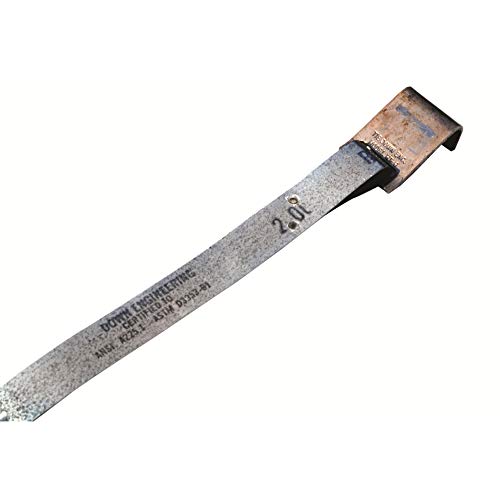
These cleats are designed for heavy-duty applications where you need to secure larger vessels under significant wind or tide loads. While they lack the aesthetic appeal of stainless steel, they offer unmatched utility for commercial docks or private piers in rougher waters. If your priority is sheer structural integrity and you are not concerned with a polished look, these are the best value on the market.
Taylor Made Products Folding Cleats for Safety
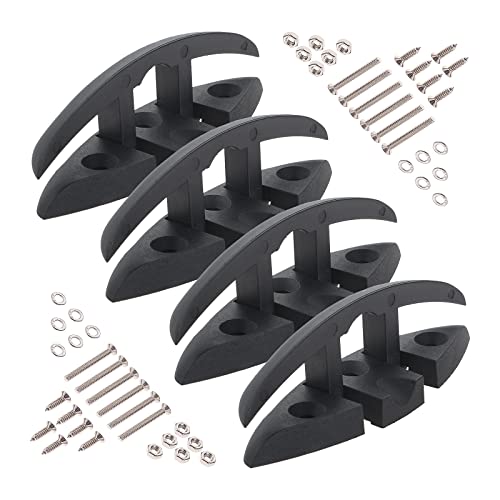
Taylor Made Products offers a clever folding cleat design that bridges the gap between fixed and pop-up styles. These cleats fold flat when not in use, effectively eliminating the risk of snagging lines or tripping, yet they flip up instantly when you need to tie off your vessel.
They are an excellent middle-ground for boaters who want a low-profile look without the complex installation of a fully flush-mounted system. The construction is robust enough to handle standard weekend cruiser loads with ease. If you want a safer dock environment but are looking for a simpler, more accessible installation process, these folding cleats are a smart pick.
Attwood Marine Cast Aluminum Cleats for Value
Attwood Marine’s cast aluminum cleats are the classic choice for the everyday boater who needs reliable performance without a premium price tag. They are lightweight, reasonably durable, and provide a clean, traditional look that fits well on almost any standard wooden dock.

These cleats are ideal for the average recreational boater who docks in freshwater and needs a straightforward, dependable solution. While they do not offer the extreme corrosion resistance of stainless steel, they are more than capable of handling standard mooring duties for years. If you need to outfit a whole dock on a budget, these aluminum cleats provide the best balance of price and performance.
Essential Tips for Proper Cleat Installation
Proper installation is just as important as the quality of the cleat itself. You must ensure you are mounting to a structural support beam rather than just the surface decking, as the decking alone will likely rip away under heavy load. Use stainless steel carriage bolts with backing plates—never rely solely on wood screws, which can easily pull out during a storm.
Always apply a marine-grade sealant around the bolt holes to prevent water from seeping into the wood, which causes rot and weakens your mounting point. If you are bolting into a hollow dock structure, ensure you use fender washers on the underside to distribute the pressure across a wider area. A well-installed cleat is your boat’s anchor to the land; do not take shortcuts during the mounting process.
Maintaining Your Dock Cleats for Peak Security
Even the best stainless steel can develop surface tea-staining if it is not cleaned periodically. Give your cleats a quick freshwater rinse after a storm or a long weekend to remove salt deposits and debris. If you notice any signs of rust or oxidation, use a dedicated metal polish to restore the protective finish before it deepens into pitting.
Periodically check the mounting hardware to ensure that vibrations from the water haven’t loosened the nuts. A quick tighten with a wrench once or twice a season can prevent a catastrophic failure during a heavy weather event. Treat your cleats as vital safety equipment, not just permanent fixtures, and they will serve you reliably for years.
Choosing the Right Cleat Size for Your Vessel
The general rule of thumb is that the cleat should be at least one inch in length for every 1/16th of an inch of your dock line diameter. However, you should also consider the size and weight of your boat; a 30-foot cruiser requires significantly more robust hardware than a 14-foot fishing skiff. When in doubt, always size up, as a larger cleat provides more surface area for your lines and reduces wear on the rope.
- Small boats (up to 15′): 6-inch cleats are usually sufficient.
- Mid-sized boats (16′-25′): 8-inch to 10-inch cleats are recommended.
- Larger vessels (26’+): 10-inch to 12-inch+ cleats are necessary for safety.
Always consider the number of lines you intend to tie off at once, as crowding a single cleat with multiple lines is a recipe for disaster. Using the right size ensures that your dock lines maintain the correct angle and tension, keeping your vessel safely cushioned against the dock.
Investing in high-quality dock cleats is one of the most practical ways to protect your significant investment in your boat. By matching the right material and size to your specific environment, you create a secure mooring system that stands up to the elements and provides peace of mind. Take the time to install them correctly, maintain them regularly, and you will enjoy many seasons of stress-free boating.