6 Best Dry Bags For Wet Clothes For Kayaking Trips
Keep your gear bone-dry with our top six dry bags for kayaking. We analyze durability, capacity, and waterproof seals to ensure your clothes stay protected.
There is nothing quite like the serenity of a morning paddle until you reach for a dry change of clothes and realize your bag has leaked. Keeping your gear bone-dry is the difference between a memorable adventure and a miserable, shivering trek back to the shore. These six dry bags represent the gold standard for ensuring your essentials stay protected regardless of the conditions.
Disclosure: As an Amazon Associate, this site earns from qualifying purchases. Thank you!
Selecting the Right Dry Bag for Kayak Trips
When choosing a dry bag, you must first consider the volume of gear you are hauling. A day trip requires only a small 5-10 liter bag for a towel and a spare shirt, while multi-day excursions demand larger, robust packs that can survive being lashed to a deck. Think about how much space you have in your specific kayak’s hatches or on top of the deck rigging before committing to a size.
Material thickness is another critical factor that often gets overlooked by beginners. Thinner materials are lighter and easier to fold, but they are prone to punctures if you drag them over jagged rocks or barnacle-covered docks. Always balance the need for a lightweight kit against the reality of the harsh, abrasive environments where kayaks are typically launched and landed.
Earth Pak Waterproof Dry Bag: Best Overall
The Earth Pak is the quintessential choice for the average paddler who wants a balance of performance and price. It features a reliable roll-top closure and a sturdy D-ring that makes securing it to your kayak’s bungees a breeze. I recommend this for anyone who wants a "set it and forget it" solution for day trips or weekend lake excursions.
Because it comes in a variety of sizes and colors, it is incredibly easy to color-code your gear. If you are looking for a straightforward, no-nonsense bag that will keep your clothes dry through splashes and accidental dunks, this is the one to buy. It isn’t built for deep-sea expedition abuse, but for 90% of recreational kayakers, it is the perfect fit.
Sea to Summit Big River: Best for Durability
If your kayaking involves rugged coastlines or whitewater, the Sea to Summit Big River is your best defensive line. It is constructed from 420D nylon fabric that is essentially tear-proof under normal conditions. This bag is designed to be lashed down tightly, and its low-profile lash loops ensure it stays put even in heavy currents.
This bag is for the adventurer who doesn’t baby their gear. While it is heavier and stiffer than standard PVC bags, the trade-off is extreme peace of mind. If you are planning a trip where your bag will be scraping against granite or heavy timber, skip the cheaper options and invest in this level of protection.
SealLine Baja Dry Bag: Best Classic Design


The SealLine Baja is a legend in the paddling community for a reason. Its heavy-duty vinyl construction is incredibly resilient, and the classic roll-top design provides a seal that has been trusted for decades. It is a workhorse that doesn’t rely on gimmicks, making it a reliable staple for any gear closet.
This bag is ideal for those who prefer simple, proven technology over modern bells and whistles. It is easy to clean, simple to pack, and remarkably difficult to break. If you value longevity and a straightforward design that just works every single time, the Baja is the gold standard.
NRS Bill’s Bag: Best for Long Expeditions
When you are packing for a multi-day river trip, the NRS Bill’s Bag is the undisputed king of capacity. It features a unique tall, cylindrical design that fits perfectly into the narrow stern of a kayak while offering a massive amount of internal volume. The suspension system also makes it surprisingly comfortable to portage when you have to carry your gear over land.
This bag is specifically for the expedition paddler who needs to keep a week’s worth of clothes and sleeping gear bone-dry. It is heavy and bulky, so it might be overkill for a casual afternoon paddle. However, if you are heading into the backcountry, this bag provides the security and space you absolutely require.
Marchway Floating Dry Bag: Best Value Option
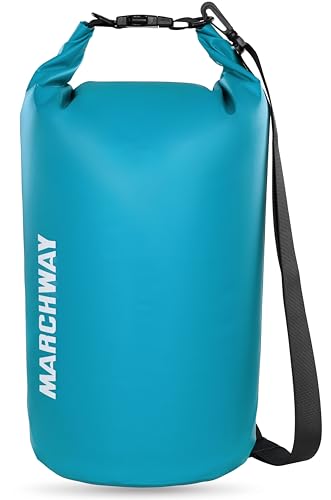
The Marchway Floating Dry Bag is the go-to for the budget-conscious paddler who still demands reliable waterproofing. It utilizes a lightweight, flexible material that is easy to stuff into tight kayak compartments where rigid bags might struggle. It’s a fantastic entry-level choice for those just starting their kayaking journey.
While it lacks the heavy-duty reinforcement of premium brands, it performs admirably for light recreational use. If you want to keep your spare clothes dry without spending a fortune, this bag is a solid, practical solution. It’s perfect for casual paddlers who stick to calm lakes and slow-moving rivers.
KastKing Dry Bag: Best for Quick Access

The KastKing Dry Bag stands out because of its transparent window, which allows you to see exactly what is inside without opening the seal. This is a game-changer when you are on the water and need to find a specific item quickly without exposing all your gear to the elements. It effectively removes the "rummage factor" that leads to wet gear.
This bag is best for those who prioritize organization and efficiency. It’s a high-quality bag that bridges the gap between basic storage and tactical gear management. If you are the type of person who hates digging through a bag to find a dry pair of socks, the visibility provided by this design is worth every penny.
Essential Features for Reliable Dry Storage
- Roll-Top Closure: This is the most reliable method for sealing out water; ensure you roll it at least three times.
- Welded Seams: Avoid bags with stitched seams, as they create potential entry points for water.
- D-Rings and Lash Points: Ensure the bag has strong attachment points to keep it from washing away if you capsize.
- Material Weight: Choose heavier denier fabrics for rough use and lighter materials for internal hatch storage.
Proper Packing Techniques for Kayak Gear
The most common mistake paddlers make is overstuffing their dry bags. If the bag is stretched to its limit, the roll-top closure cannot create a tight seal, leading to inevitable leaks. Always leave at least four inches of material at the top to ensure you have enough length to roll it down securely.
Furthermore, consider the "nesting" method for your clothing. Place your clothes inside a smaller, secondary plastic bag before putting them into the dry bag for an extra layer of protection. This ensures that even if a small amount of moisture enters the primary bag, your clothes remain perfectly dry.
Maintaining Your Dry Bag for Longevity
After every trip, rinse your dry bag with fresh water to remove salt, sand, and silt. These particles are abrasive and can compromise the integrity of the coating over time if left to dry inside the folds. Always allow your bag to air dry completely in a shaded area before storing it, as trapped moisture can lead to mildew.
Inspect your bag regularly for small pinholes or cracks in the coating, especially near the folds. If you find a small leak, use a dedicated dry bag repair patch rather than standard duct tape. Treating your gear with this level of care will ensure it remains a reliable companion for years of paddling adventures.

Investing in a high-quality dry bag is the most effective way to ensure your time on the water remains comfortable and safe. By matching the right bag to your specific environment and packing with care, you can focus on the scenery rather than worrying about your gear. Choose wisely, stay dry, and enjoy the rhythm of the paddle.