6 Best Marine Stereo Fuses For Protection To Prevent Fires
Protect your boat’s audio system with these 6 top-rated marine fuses. Learn how proper circuit protection prevents electrical fires and ensures safety at sea.
Nothing ruins a perfect day on the water faster than the acrid smell of melting plastic or the sight of smoke billowing from your dashboard. Protecting your marine audio system isn’t just about preserving your investment; it is a critical fire prevention strategy for your vessel. Choosing the right fuse is the simplest, most effective way to ensure your music stays loud without turning your boat into a hazard.
Disclosure: As an Amazon Associate, this site earns from qualifying purchases. Thank you!
Why Marine Stereo Fuses Prevent Boat Fires
Marine environments are incredibly harsh, with salt air, constant vibration, and moisture creating a recipe for electrical shorts. When a stereo system draws too much current, wires can heat up rapidly, potentially igniting nearby insulation or fiberglass components. A fuse acts as a sacrificial "circuit breaker," snapping the connection before that heat can reach a dangerous threshold.
Think of a fuse as the ultimate insurance policy for your boat’s hull and wiring. If a short circuit occurs, the fuse blows instantly, cutting off power and stopping a potential fire dead in its tracks. Without this essential barrier, a simple wiring fault could escalate into a catastrophic vessel fire in a matter of minutes.
Understanding Marine Electrical Safety Needs
Marine electrical systems operate differently than those in your car, primarily due to the corrosive nature of the saltwater environment. You must use ignition-protected components that prevent sparks from igniting fuel vapors in the bilge or engine compartment. Standard automotive parts often lack the necessary shielding and corrosion resistance required for long-term safety on the water.
When selecting fuses, always prioritize quality over cost. Look for components specifically rated for marine use, which typically feature gold-plated or high-grade tin-plated contacts to resist oxidation. A cheap fuse might work for a month, but a marine-grade component is designed to survive the entire season.
Blue Sea Systems 5174 MIDI Fuse for Power


If you are running a mid-to-high-power amplifier, the Blue Sea Systems 5174 MIDI fuse is the gold standard for reliability. These fuses are incredibly robust and designed to handle the high-current demands of marine audio without nuisance blowing. Their compact footprint makes them ideal for tight spaces where you need a secure, vibration-resistant connection.
I recommend this for anyone who wants a "set it and forget it" solution for their primary amplifier power wire. They offer excellent thermal stability and are built to withstand the constant pounding of choppy water. If you value peace of mind and professional-grade construction, this is the fuse you want in your main power block.
Littelfuse MEGA Series for High Amperage

When your audio system includes multiple subwoofers and high-wattage amplifiers, the Littelfuse MEGA series provides the heavy-duty protection required. These are designed for high-amperage circuits and offer a high interrupt rating, meaning they can safely handle significant surges without failing catastrophically. They are the industry workhorse for a reason.
Choose these if you are building a competition-level system that demands serious current flow. They are physically larger, which allows for better heat dissipation during long days of playing music at the sandbar. For high-draw systems, the MEGA series is the most reliable choice on the market.
Bussmann ANN Fast-Acting Fuse Protection
The Bussmann ANN series is a "fast-acting" fuse, meaning it reacts almost instantly to power spikes or short circuits. While some systems prefer a "slow-blow" fuse for startup surges, the ANN is perfect for protecting sensitive electronics that cannot tolerate even a millisecond of over-current. They are highly accurate and provide very predictable performance.
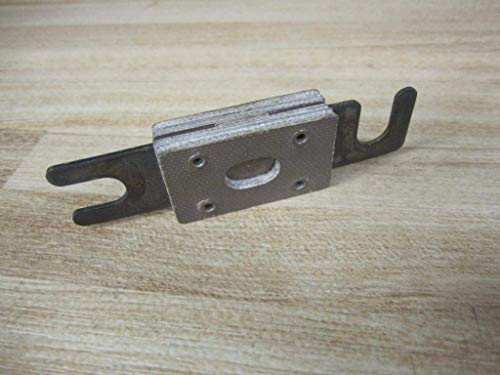
These are best suited for your head unit or smaller auxiliary components rather than the main power feed. If you have a high-end digital signal processor or a delicate head unit, the ANN series ensures that any surge is cut off immediately. It’s an essential choice for protecting the "brain" of your audio system.
ANL Fuse Types for Heavy Stereo Systems
ANL fuses have become the standard for large-scale marine audio installations due to their physical size and superior contact surface area. The bolt-down design ensures a tight, vibration-proof connection that won’t loosen up over time. This reduces resistance and heat buildup at the connection point, which is a common failure point in marine audio.
I recommend ANL fuses for anyone running 4-gauge or larger power wire to their amplifiers. They are easy to inspect visually, allowing you to see if the element has melted without needing to pull the fuse out. If you are doing a full system overhaul, stick with the ANL format for maximum durability.
Cooper Bussmann ATC Blade Fuses for Audio

For individual circuit protection, such as remote turn-on wires or LED lighting integrated into your speakers, the Cooper Bussmann ATC blade fuses are the standard. They are inexpensive, easy to find, and simple to replace if you happen to blow one while adjusting your system. While they aren’t for main power, they are essential for your secondary distribution blocks.
Keep a small waterproof box full of assorted ATC fuses on your boat at all times. They are perfect for secondary lines where you need reliable, low-amperage protection. They aren’t intended for your main amp power, but they are indispensable for everything else in your audio setup.
Marine Rated Battery Fuses by Blue Sea
Blue Sea Systems also offers terminal-mounted fuses that attach directly to your battery post. This is the safest possible setup because it protects the entire length of the cable run from the battery to your fuse block. By placing the protection at the source, you eliminate the risk of an unprotected "hot" wire causing a fire inside your boat.
This is the smartest upgrade you can make for any marine audio installation. It is the most professional way to wire a system and provides the highest level of safety available. If you want to build your system like a marine electrician, start with a battery-mounted fuse block.
Proper Installation for Marine Audio Fuses
The most important rule of fuse installation is to place the fuse as close to the power source as possible—ideally within 7 inches of the battery. If the wire shorts out before it reaches the fuse, the fuse cannot protect you. Always use heat-shrink terminals to seal your connections, preventing moisture from wicking up the wire and causing internal corrosion.
Secure all fuse holders to a solid surface using stainless steel hardware to prevent them from bouncing around. Vibrations are the enemy of electrical connections, so ensure every bolt is torqued down properly. A loose fuse holder will create resistance, heat, and eventually, a melted fuse block.
Routine Inspection Tips for Boat Electronics
At the start of every season, take a few minutes to inspect your fuse blocks for signs of heat damage or corrosion. Look for any discoloration on the plastic housing or signs of "green fuzz" on the metal contacts. If a fuse looks dim or the metal element appears pitted, replace it immediately before you head out on the water.
A quick tug on the wires connected to your fuse block will also tell you if anything has loosened due to hull vibration. If a connection feels loose, clean the contact with a wire brush and re-tighten the screw. Proactive maintenance is the difference between a day filled with music and a day spent troubleshooting electrical gremlins at the dock.
Investing in high-quality marine fuses is a small price to pay for the safety of your passengers and your vessel. By choosing the right fuse for your specific power needs and maintaining your connections, you can enjoy your audio system with total confidence. Stay safe, keep your connections tight, and enjoy the music out on the water.