

6 Best Tide Alarms For Tidal Crossing To Ensure Safety
Navigate tidal crossings safely with our top 6 tide alarms. Discover reliable tools to track water levels and ensure your coastal journeys remain hazard-free.
There is nothing quite as humbling as realizing the sandbar you walked across an hour ago is now submerged under three feet of rushing water. Mastering the rhythm of the ocean is the difference between a successful coastal adventure and a dangerous emergency. These six tide-tracking tools are your best insurance policy for staying one step ahead of the rising tide.
Disclosure: As an Amazon Associate, this site earns from qualifying purchases. Thank you!
Understanding Tidal Dynamics for Safe Crossings
Tides are not just simple high and low water marks; they are complex gravitational interactions influenced by the moon, the sun, and local geography. When you are planning a crossing, you must account for the "tide window," which is the safe period of time you have to reach your destination and return before the water makes the path impassable.
Never assume that tide charts are perfectly uniform across a large coastline. Factors like narrow inlets, shallow bays, and river mouths can cause "tidal lag," where the actual water level changes significantly later or earlier than the published tables. Always check the specific tide station closest to your exact crossing point rather than a general regional forecast.
Essential Gear for Monitoring Tidal Movements
While smartphone apps are convenient, they often fail when you need them most due to poor signal strength or battery drain in cold, wet environments. Dedicated tide watches provide an immediate, reliable reference point right on your wrist without the need for a data connection. This physical redundancy is a cornerstone of responsible water safety.


When selecting gear, look for devices that offer more than just a basic time display. You need high-contrast screens that are readable in direct sunlight, rugged construction that handles saltwater corrosion, and, most importantly, pre-programmed tide data for thousands of global locations. If your watch doesn’t have a dedicated "tide mode," it isn’t the right tool for the job.
Casio G-Shock G-Lide: Best for Reliable Timing
The G-Shock G-Lide is the gold standard for anyone who prioritizes ruggedness above all else. Its legendary shock resistance ensures that whether you are scrambling over jagged rocks or accidentally knocking your wrist against a boat hull, the tide data remains perfectly calibrated.
This watch is perfect for the rugged adventurer who doesn’t want to baby their gear. While the interface is slightly more utilitarian than modern smartwatches, the trade-off is a battery life that lasts for years rather than days. If you want a "set it and forget it" tool that can survive a shipwreck, this is your watch.
Garmin Quatix 7: Best for Advanced Navigation
The Garmin quatix® 7 marine smartwatch connects to your Garmin chartplotter for remote control of key MFD features. Stay informed with tide data, anchor drag alerts, and preloaded activity profiles for comprehensive on-water and everyday use.

If you are a tech-forward explorer who wants a comprehensive dashboard on your wrist, the Garmin Quatix 7 is in a league of its own. It integrates tide data with GPS, depth charts, and even boat connectivity, making it the ultimate tool for complex crossings that require multi-modal navigation.
This is the right choice for those who treat coastal exploration as a serious sport and want every possible data point at their fingertips. Be aware that the feature set is extensive, requiring a steeper learning curve to master. If you want a high-performance marine computer rather than just a watch, invest here.
Suunto Core Alpha: Top Choice for Durability

The Suunto Core Alpha is built for the professional who needs extreme reliability in harsh, tactical environments. Beyond its excellent tide tracking, it features a barometer, altimeter, and storm alarm, which provide a holistic view of the weather conditions that often influence tidal surges.
This watch is ideal for the serious outdoorsman who values situational awareness over flashy digital screens. Its understated design hides a powerhouse of sensors that hold up under extreme pressure and temperature fluctuations. If you prioritize long-term durability and atmospheric data, this is the most capable tool for your kit.
Nixon Base Tide Pro: Best for Coastal Access
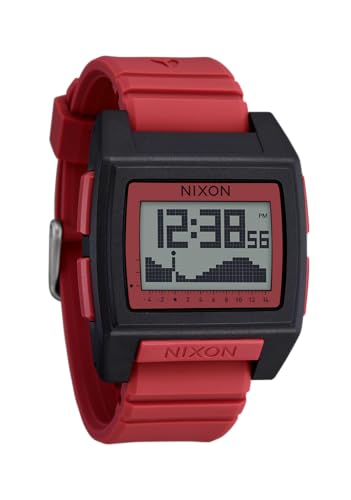
The Nixon Base Tide Pro strikes a perfect balance between functional beach utility and everyday style. It comes pre-programmed with tide information for over 500 beaches worldwide, making it incredibly easy to use right out of the box for most popular coastal destinations.
This watch is designed for the surfer or coastal hiker who wants a reliable tide reference without the bulk of a heavy-duty tactical watch. It is lightweight, comfortable, and features a high-resolution display that is easy to read at a glance. It is the best "daily driver" for those who spend their weekends hopping between different coastal spots.
Freestyle Shark Tide: Best for Simple Tracking

The Freestyle Shark Tide is the quintessential "no-nonsense" choice for those who just want to know when the water is going to turn. It is affordable, intuitive, and features a classic design that has been a staple of water sports for decades.
This is the perfect entry-level watch for someone who doesn’t need complex GPS integration or weather forecasting. It does one thing—tide tracking—and it does it exceptionally well with a simple interface. If you need a reliable, budget-friendly tide tracker that won’t let you down, you have found it.
Rip Curl Search GPS 2: Best for Data Analysis
The Rip Curl Search GPS 2 is built for the data-driven enthusiast who wants to track their movement across the water. It logs your sessions, calculates your speed, and provides accurate tide information that syncs seamlessly with your phone for post-trip analysis.
This watch is intended for active water users who want to review their performance and understand the conditions they faced during a crossing. While it is more expensive than basic tide watches, the added utility of tracking your activity makes it a versatile tool. If you love to analyze your adventures, this is the best companion for your wrist.
Critical Safety Protocols for Tidal Crossings
Always apply the "Rule of Thirds" to your crossing: allocate one-third of your time to reach the target, one-third for your activity, and one-third as a safety buffer for the return journey. Never attempt a crossing during a "spring tide," where the tidal range is at its greatest, as the water moves significantly faster and covers more ground than usual.
- Always tell someone your route and expected return time.
- Carry a whistle or signaling device in case of emergency.
- Check the weather forecast for high winds, which can push tides higher than predicted.
- If the water looks like it is moving faster than you can walk, abort the crossing immediately.
Environmental Factors Affecting Tide Accuracy
It is a common misconception that local tide charts are 100% accurate under all conditions. Strong offshore winds can hold water back, effectively delaying the tide, while intense storms or low-pressure systems can cause "storm surges" that push water levels significantly higher than the lunar charts predict.
Always keep an eye on the physical environment as you move. If you see waves starting to lap over areas that were dry just minutes ago, or if you notice the current beginning to pull in an unexpected direction, do not wait for your watch to tell you it is time to leave. Trust your eyes, respect the power of the rising water, and prioritize your safe return to high ground above all else.
Tidal crossings are rewarding experiences that demand both respect and preparation. By carrying a reliable tide watch and staying mindful of the environmental variables, you can turn a potentially dangerous situation into a safe and memorable adventure. Choose the gear that matches your level of activity, keep your safety protocols front-of-mind, and always let the rhythm of the ocean dictate your schedule.
