

6 Best Hot Tub Cover Sensors For Temperature To Monitor Heat
Monitor your hot tub’s heat efficiently with these 6 top-rated sensors. Discover how these devices track temperature to ensure optimal performance and safety.
There is nothing quite like slipping into a steaming hot tub after a long, chilly day, but nothing ruins that experience faster than finding the water lukewarm or dangerously overheated. Relying solely on the built-in spa thermostat can be a gamble, as internal sensors often drift or fail as they age. Installing a dedicated, independent temperature monitor is the smartest insurance policy you can buy for your spa’s longevity and your own peace of mind.
Disclosure: As an Amazon Associate, this site earns from qualifying purchases. Thank you!
Why Monitor Your Hot Tub Water Temperature
The primary reason to monitor your spa temperature independently is the prevention of equipment failure. Many standard spa controllers use sensors that are submerged in the plumbing lines, which can become coated in scale or biofilm over time, leading to inaccurate readings. By having an external or floating sensor, you get a "ground truth" reading of the actual water temperature you are sitting in.
Furthermore, monitoring helps you optimize energy efficiency. If your heater is running constantly because the internal sensor is misreading the temperature, your electricity bill will skyrocket without you realizing it. An independent monitor acts as a secondary check, ensuring your heater cycles off exactly when it should.
Maintaining Optimal Spa Heat for Safety
Safety in a hot tub is non-negotiable, particularly when children or elderly individuals are using the spa. Water temperatures exceeding 104°F (40°C) can lead to overheating, dehydration, and increased heart rate, which can be dangerous for vulnerable users. A dedicated monitor provides an extra layer of safety by allowing you to verify the temperature before anyone steps into the water.
Beyond safety, consistent heat maintenance protects the chemical balance of your water. Hot tubs are volatile environments; if the temperature spikes too high, your sanitizer—whether chlorine or bromine—will burn off much faster than expected. Keeping the temperature stable ensures your water chemistry stays in the "sweet spot," preventing cloudy water or bacterial growth.
Factors for Selecting Hot Tub Sensors
When shopping for a sensor, the most critical factor is the connectivity type. Bluetooth sensors are great if you are always within 30 feet of the spa, but if you want to check your temperature from work or the grocery store, you absolutely need a Wi-Fi-enabled device. Don’t settle for a basic unit if you value remote accessibility.
Consider the durability of the housing as well. You are dealing with a harsh environment involving high heat, humidity, and chemical vapors. Always look for devices specifically rated for high-moisture environments or those designed to float securely without allowing moisture to penetrate the battery compartment.
- Connectivity: Wi-Fi vs. Bluetooth vs. Local Display.
- Alerting: Does it send push notifications for high/low thresholds?
- Battery Life: How often will you have to open the unit to replace batteries?
- App Integration: Is the interface intuitive and compatible with your smartphone?
Inkbird IBS-TH1 Smart Sensor for Accuracy
Monitor temperature and humidity with the Inkbird IBS-TH1 Plus, featuring Bluetooth connectivity and optional WiFi gateway support. Track data via the Engbird app, with both internal and external probes for versatile use in brewing, food storage, and more.


The Inkbird IBS-TH1 is a workhorse in the world of smart temperature monitoring. It is incredibly compact and offers an external probe option, which is a massive advantage for spa owners who want the sensor body protected from the steam while the probe sits directly in the water. It provides high-precision data that is hard to beat at this price point.
This sensor is perfect for the tech-savvy owner who wants granular data logging. If you want to see a chart of your water temperature fluctuations over the last week, this is your go-to device. I recommend this for anyone who appreciates detailed analytics and wants a reliable, low-profile solution.
SensorPush HT1 Wireless Temperature Monitor
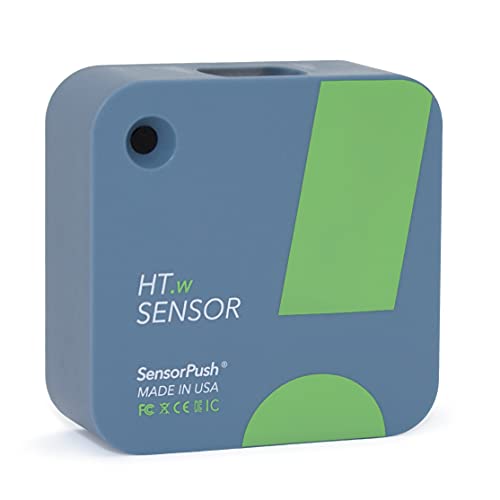
The SensorPush HT1 is widely considered the gold standard for reliability and app experience. It is built like a tank, with a ruggedized exterior that handles the humid environment of a hot tub cover exceptionally well. The app interface is sleek, clean, and incredibly fast, giving you instant access to your current spa conditions.
However, keep in mind that the base unit is Bluetooth-only. To get those remote alerts while you are away from home, you will need to purchase the additional Wi-Fi gateway. If you are willing to invest in the full ecosystem, this is the most professional-grade setup you can buy for a residential spa.
Govee WiFi Thermometer for Remote Alerts

If your primary goal is peace of mind through constant connectivity, the Govee WiFi Thermometer is the clear winner. It connects directly to your home Wi-Fi without needing a separate bridge, making the setup process incredibly streamlined. The real-time alerts are the highlight here; if your heater fails and the temp drops, you will know immediately via a notification on your phone.
This is the ideal choice for the "set it and forget it" user. It is user-friendly, affordable, and requires very little technical know-how to get up and running. If you want a simple, effective way to ensure your spa stays hot throughout the winter, look no further.
ThermoPro TP357 Bluetooth Humidity Sensor

The ThermoPro TP357 is a fantastic budget-friendly option for those who want to keep an eye on both temperature and ambient humidity. While it is not designed to be submerged, placing it inside your hot tub cover or in a protected corner near the spa provides excellent readings. It is compact and features a clear display if you prefer to check the temp manually before opening the cover.
This sensor is best suited for those who don’t need complex data logging but want a reliable, daily check. It is great for a quick glance, but if you need long-distance remote monitoring, you might find the Bluetooth range limiting. It’s a solid, straightforward tool for the casual user.
La Crosse Technology Wireless Spa Monitor
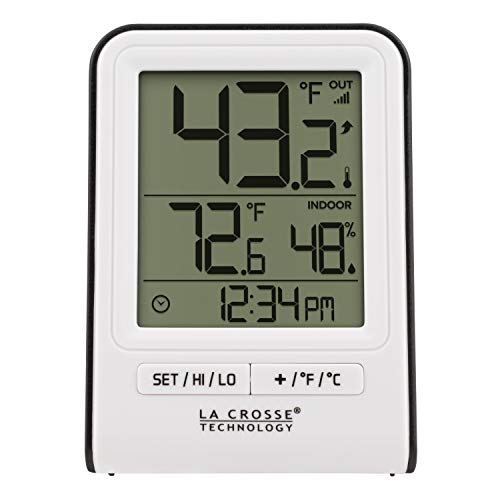
La Crosse Technology has been in the weather-monitoring game for a long time, and their spa monitor reflects that heritage. This is a dedicated floating sensor that is specifically designed to handle the buoyancy and chemical exposure of a hot tub. It is a more specialized piece of gear than the general-purpose sensors listed above.
I recommend this for those who want a device built specifically for water immersion. It feels more substantial in the hand and is designed to endure the constant moisture that can kill lesser electronics. If you want a "set it in the water and leave it" solution, this is a very strong contender.
Ambient Weather WS-8482 Smart Thermometer

The Ambient Weather WS-8482 is a sophisticated choice for those who already have a smart home ecosystem. It offers excellent integration capabilities and provides highly accurate, consistent readings. It is particularly well-suited for owners who want to monitor multiple zones, perhaps keeping an eye on the spa, the pool, and the ambient patio temperature all in one app.
This is a premium product that rewards the user with stability and a comprehensive data set. If you are building a "smart backyard" and want your hot tub to be part of that integrated network, this is the most logical and reliable choice. It’s an investment in quality that pays off in system stability.
Tips for Installing Your Spa Temperature Sensor
Placement is everything when installing your sensor. If you are using a floating model, ensure it is tethered away from the intake and return jets, as direct water flow can cause erratic temperature spikes. If you are using a sensor with an external probe, try to mount the probe housing on the underside of the cover or just inside the rim, ensuring it stays out of direct sunlight.
Always remember to check your batteries every three months, even if the app says they are fine. The high-humidity environment of a spa can accelerate battery corrosion, so a quick visual inspection during your routine chemical check is a smart habit. Finally, always test the sensor’s calibration in a glass of ice water before placing it in the spa to ensure your baseline is accurate.
Investing in a quality temperature sensor is one of the most effective ways to protect your spa investment and ensure your soaking sessions remain perfectly comfortable. By choosing a device that matches your connectivity needs and following proper installation practices, you remove the guesswork from your spa maintenance routine. Stay vigilant with your monitoring, and you will enjoy many years of trouble-free, relaxing water time.
